

 technology. Discover how automation enhances)
Introduction to Smart Homes and IoT
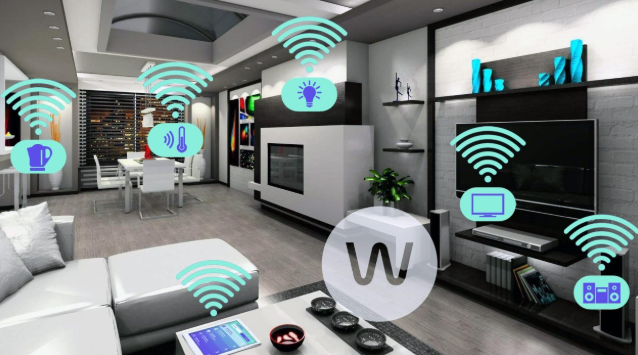
Smart homes are residential places equipped with various devices and appliances that can communicate with each other and with homeowners through the Internet. These devices utilize the principles of the Internet of Things (IoT), a technology framework allowing everyday objects to connect to the internet and share data. The primary goal of integrating smart devices into homes is to enhance convenience, security, efficiency, and overall quality of life.
One significant feature of smart homes is automation, which enables homeowners to control lighting, heating, appliances, and security systems remotely, often from a smartphone application. This level of control not only facilitates everyday tasks but also fosters energy conservation, as systems can be programmed to operate only when needed, reducing waste. Moreover, integration of security features, such as smart locks and surveillance cameras, improves home safety by allowing users to monitor their property in real-time.
The IoT devices powering smart homes are diverse, ranging from smart thermostats that learn user preferences to smart refrigerators that can notify users about their contents. These interconnected devices continuously gather and analyze data, making adaptive changes to improve user experience. As technology advances, the roles of AI and machine learning within smart homes will likely expand, resulting in even more personalized experiences for residents. Through seamless communication between devices, IoT fosters interconnectivity, creating an ecosystem where gadgets work in unison to meet users’ needs. As we evaluate the future of smart homes, it is crucial to consider how these technologies will develop and influence our daily lives. The transformative potential of smart homes, led by IoT innovations, is indeed an exciting prospect.
Current Trends in Smart Home Technology
The landscape of smart home technology is continuously evolving, significantly influenced by advancements in the Internet of Things (IoT). As consumers seek greater convenience and automation in their residences, certain trends have emerged as pivotal in shaping the future of smart homes. Among these trends, the rise of voice assistants stands out prominently. Devices like Amazon Alexa and Google Assistant have transcended traditional functions, facilitating control over a plethora of smart home devices from lighting to thermostats, simply through voice commands. This user-friendly interaction has not only enhanced the accessibility of smart home technology but also generated higher consumer expectations regarding automation and integration.
In addition to voice assistants, smart security systems have gained traction as a key aspect of contemporary smart home solutions. Homeowners are increasingly investing in smart locks, doorbell cameras, and comprehensive surveillance systems that integrate with their mobile devices. This trend reflects a growing need for enhanced security measures and real-time monitoring capabilities, allowing users to maintain a secure environment while enjoying peace of mind.
Moreover, energy management solutions are becoming a central focus for smart homes. Smart thermostats, energy-efficient lighting, and automated energy monitoring systems allow homeowners to optimize their energy usage, resulting in practical and environmental benefits. Consumers are more conscious of their energy consumption and the associated costs, emphasizing the importance of sustainable living. As cities like Los Angeles embrace these trends, they contribute to the broader conversation surrounding smart city initiatives and responsible urban development. This surge in smart technology adoption demonstrates not only a shift in consumer behavior but also an evolving expectation for an interconnected lifestyle, ultimately driving greater innovation in the smart home sector.
Impact of 5G on Smart Homes
The advent of 5G technology is poised to significantly alter the landscape of smart homes and Internet of Things (IoT) devices. This next-generation wireless technology offers faster data transmission speeds, enhanced connectivity, and improved reliability, which are all critical factors for the effective functioning of smart home systems. As households increasingly adopt multiple interconnected devices, the capability of 5G to handle extensive data traffic seamlessly becomes indispensable.
One of the most profound impacts of 5G is its ability to enable real-time communication between devices. Unlike its predecessors, 5G can support a much larger number of devices within the same area without compromising speed or performance. This means that smart homes equipped with a multitude of gadgets—such as smart lighting, security systems, and HVAC controls—will experience enhanced operational efficiency. With a robust 5G network, homeowners can expect instant responsiveness from their devices, significantly improving the user experience.
Furthermore, the accelerated speeds provided by 5G can enhance functionalities that require rapid data processing. For instance, video surveillance systems can deliver high-definition footage in real-time, enabling homeowners to monitor their properties more effectively. Additionally, appliances used for energy management can analyze usage patterns and make adjustments instantaneously, leading to cost savings and improved energy efficiency. This advancement in capabilities encourages households to adopt an even wider range of IoT devices.
In conclusion, the rollout of 5G technology marks a transformative phase for smart homes. The combination of greater speed, increased capacity, and enhanced reliability will empower homeowners to fully realize the potential of smart technologies, paving the way for more sophisticated automation and control solutions that were previously unattainable.
Interoperability Challenges and Solutions
The rise of smart homes powered by Internet of Things (IoT) devices has brought remarkable convenience and innovation. However, these advancements have also surfaced significant interoperability challenges. Different manufacturers often deploy proprietary communication protocols, which can lead to devices from distinct brands failing to communicate effectively with one another. For consumers, this translates into a fragmented ecosystem, where individual devices do not function collectively in a cohesive manner, ultimately detracting from the overall user experience.
Standardization of protocols is essential for addressing these interoperability issues. The establishment of universal communication standards would facilitate seamless interaction among devices, regardless of the brand. Organizations such as the Connectivity Standards Alliance, which oversees the development of the Matter protocol, are pioneering efforts to create a common framework that IoT products can leverage. By adopting such standardized communication methods, devices can operate harmoniously, allowing users to benefit from an integrated smart home experience.
Moreover, several leading tech companies are collaborating to further enhance interoperability across the IoT landscape. Initiatives like the Open Connectivity Foundation aim to promote an open approach to connectivity between IoT devices. This collaborative effort is crucial for breaking down silos created by proprietary technologies and fostering an environment where devices can easily share information.
In conclusion, while interoperability challenges among IoT devices present noteworthy obstacles, concerted efforts towards standardization and collaboration are paving the way for harmonious smart home ecosystems. As manufacturers continue to prioritize these solutions, consumers can look forward to a future where their devices communicate effortlessly, maximizing the potential of their smart home technologies.
Smart Home Automations for Efficiency
In recent years, the advent of smart home technology has revolutionized the way homeowners interact with their living spaces. Smart home automations are designed to enhance efficiency, convenience, and comfort, offering a range of scenarios that cater to different lifestyle needs. One of the most common areas of automation involves smart lighting systems. By utilizing motion sensors and timer functions, homeowners can ensure that lights are only on when needed, significantly reducing energy consumption. For instance, in a scenario where no one is present in a room, the lights will automatically turn off, leading to considerable energy savings over time.
Another critical facet of smart home automation is intelligent heating control. Systems equipped with smart thermostats can learn homeowner preferences and adjust the home’s temperature accordingly. For example, a smart heating system may automatically lower the temperature during the hours when residents are typically away, only to heat the home just before their return. This not only enhances comfort but also minimizes energy waste, aligning perfectly with the efficiency goals of smart home technology.
Moreover, security systems integrated into smart home setups provide both safety and efficiency. Homeowners can employ smart cameras, door locks, and alarms that offer real-time monitoring and notifications via a smartphone application. With such systems, users can remotely lock doors, check camera feeds, and receive alerts about potential security breaches. This level of automation not only streamlines household management but can also lower insurance premiums by adding layers of security.
These practical examples illustrate that smart home automations play a pivotal role in maximizing efficiency within our living environments. From energy savings to enhanced security, the integration of smart technologies into our homes heralds a future that prioritizes sustainable and mindful living.
Privacy and Security Concerns
As smart homes increasingly integrate Internet of Things (IoT) devices, privacy and security have emerged as paramount concerns. These devices range from smart speakers and thermostats to sophisticated security systems, creating a connected ecosystem in which personal data is shared and analyzed. However, this interconnectedness raises significant vulnerabilities that users must consider. IoT devices often collect sensitive information about personal habits, preferences, and even the layout of one’s home. When such data is inadequately protected, it can become a target for cybercriminals or unauthorized entities.
Many consumers are unaware of the security risks associated with their smart products. Basic vulnerabilities, such as default passwords and lack of encryption, can leave devices open to hacking. Cybersecurity experts recommend changing default settings immediately upon installation and ensuring that passwords are strong and unique. In addition to individual devices, the home network itself should be fortified with robust security measures, such as firewalls or network segmentation for smart devices.
Furthermore, data protection regulations play a crucial role in how manufacturers handle user data. Legislation such as the General Data Protection Regulation (GDPR) in Europe sets stringent guidelines for data collection and user consent, yet many IoT manufacturers still struggle to comply fully. Homeowners must be informed about how their data is used and retained and should review privacy policies associated with their smart devices.
To mitigate these privacy and security concerns effectively, homeowners can also implement regular firmware updates, which often address newly discovered vulnerabilities. Moreover, utilizing network monitoring tools can help track any unusual activity from connected devices, further enhancing security. As smart homes continue to evolve, addressing privacy and security concerns will be vital to ensure a safe and comfortable living environment for homeowners.
The Role of Artificial Intelligence in Smart Homes
The integration of artificial intelligence (AI) within smart home devices is revolutionizing the way we interact with our living environments. By introducing AI technologies, these devices are becoming not only more intuitive but also significantly more functional. The ability of AI to learn from user behaviors and preferences allows smart home systems to automate routine tasks seamlessly, enhancing overall user experiences. For example, a smart thermostat learns the homeowner’s schedule and temperature preferences over time, optimizing energy use and comfort without requiring constant manual input.
Moreover, the role of AI extends beyond mere automation. It empowers smart home devices to engage in predictive maintenance, identifying potential issues before they escalate into critical problems. For instance, AI-driven appliances can alert users about irregularities in performance or suggest servicing when they detect malfunctions. This proactive approach minimizes disruption and extends the lifespan of the devices, contributing to more sustainable living.
In terms of energy management, AI plays an essential role as well. Smart systems can analyze usage patterns and suggest energy-efficient practices, leading to reduced consumption and lower utility costs. By managing resources intelligently, AI-enabled devices support a transition towards eco-friendly lifestyles and contribute to broader environmental goals.
Ultimately, the future of smart homes is closely tied to advancements in artificial intelligence. As AI continues to evolve, it will undoubtedly deepen the integration of smart technologies, providing enhanced functionalities, improving user interactions, and creating more efficient environments that adapt to our needs. The ongoing developments in AI signify a move towards smarter, more efficient homes, where technology not only serves but also anticipates the needs of their occupants.
Smart Homes in Sustainable Living
As the world increasingly focuses on sustainability, smart homes have emerged as pivotal contributors to environmentally friendly living. Through the integration of Internet of Things (IoT) devices, smart homes enable residents to manage energy and resources more efficiently, resulting in significant reductions in consumption and, consequently, the household carbon footprint.
One of the core functionalities of smart homes is smart energy management. Advanced IoT systems provide real-time monitoring and optimization of energy usage. For instance, smart thermostats can learn the homeowner’s habits and adjust heating or cooling accordingly, reducing energy waste. Furthermore, smart appliances often operate during off-peak times when energy costs are lower, further enhancing cost-effectiveness and energy efficiency. By adopting such technologies, households can substantially decrease their reliance on fossil fuels and transition towards greener energy sources.
Water conservation technologies represent another area where smart homes can drive sustainability. IoT-enabled devices such as smart irrigation systems monitor soil moisture levels and weather forecasts, ensuring that watering is done efficiently without overconsumption. Moreover, smart faucets and showerheads can provide feedback on water usage, encouraging residents to adopt more sustainable habits. This automation not only saves water but also reduces the energy required for heating water.
Incorporating smart sensors for monitoring air quality and temperature can further enhance a home’s sustainability profile. Residents can make informed choices about ventilation and air purification, fostering healthier living spaces while maintaining efficiency. The collective impact of these technologies demonstrates how smart homes can redefine our interactions with energy and water resources, positioning residents as active participants in sustainable living.
Looking Ahead: The Future of Smart Homes
The trajectory of smart homes and IoT devices suggests a transformative future characterized by a surge in technology integration and connectivity. As innovators continue to develop advanced solutions, the incorporation of emerging technologies promises to redefine how we interact with our living environments. One significant advancement on the horizon is the application of blockchain technology, which offers unparalleled security and transparency for smart home transactions. This could facilitate a decentralized framework for managing devices, leading to enhanced data privacy and user control, essential in an age where cybersecurity is a prominent concern.
Moreover, advancements in human-machine interfaces (HMIs) are set to revolutionize user interactions within smart homes. Innovations in voice recognition, gesture control, and even brain-computer interfaces may render existing modes of engagement obsolete. These sophisticated HMIs would allow for more intuitive and efficient operation of smart devices, catering to consumers’ growing expectations for seamless experiences.
The evolution of smart living is not solely reliant on technology advancements; it is equally important to consider societal implications and user adaptability. As devices become increasingly interdependent, a cohesive ecosystem among smart appliances, energy management systems, and personal device interfaces will be essential. The future landscape of smart homes will likely prioritize sustainability, enabling energy-efficient living through automated systems that optimize resource usage without compromising comfort.
As we look forward to the coming decade, the future of smart homes seems promising, with highly interconnected environments that offer convenience, security, and personalized experiences. This forthcoming age of smart living will not only augment daily routines but also foster a more sustainable lifestyle. Consequently, as IoT devices continue to evolve, the potential for smart homes to enhance quality of life is significant, ushering in a new standard for living well and wisely.