
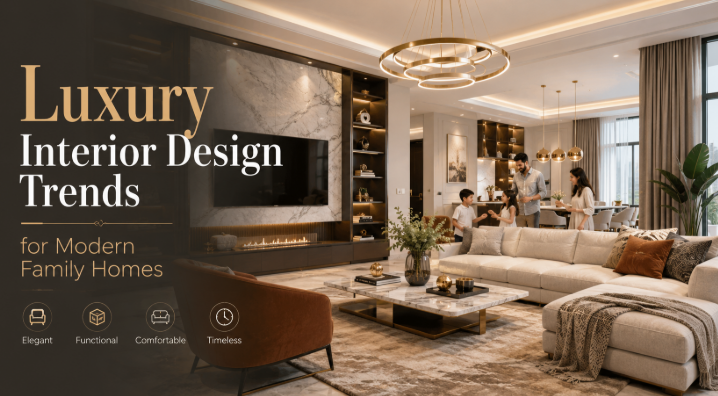


Introduction to Luxury Interior Design
Luxury interior design is a multifaceted concept that transcends mere aesthetics; it underscores the significance of creating spaces that reflect an individual’s personality while offering comfort and functionality. In modern family homes, the definition of luxury has evolved considerably, moving away from opulence to embrace a more holistic approach that includes comfort, style, and practicality. Today’s families are increasingly prioritizing environments that cater to their dynamic lifestyles, thus redefining what luxury means in the context of interior design.
The evolution of design preferences can be traced through various historical movements and cultural influences, showcasing how shifts in societal norms and values affect the interpretation of luxury. For instance, the mid-20th century emphasized minimalism, which contrasted sharply with the extravagant styles of earlier decades. In contrast, contemporary luxury interior design blends elements from different eras while incorporating modern technology, sustainable materials, and smart design principles. As a result, the modern family is now presented with a myriad of options that not only enhance the beauty of their homes but also support sustainable and healthy living.
Moreover, the modern emphasis on open-plan living has further transformed luxury interiors. Families are seeking spaces that promote togetherness while maintaining individual comfort. This has led to designs that seamlessly integrate common areas, personalization, and multi-functional furniture, ensuring that daily life is both stylish and practical. As a result, luxury interior design today goes beyond traditional definitions, encompassing an approach that celebrates both elegance and the needs of contemporary family life. Ultimately, the heart of luxury in modern interior design lies in creating environments that foster joy and connection among family members while being aesthetically pleasing and functionally adaptable.
Sustainable and Eco-Friendly Luxury
The concept of sustainability has become a crucial aspect of luxury interior design, particularly for modern family homes. This trend highlights the growing awareness among homeowners about the importance of environmental responsibility. As families become more conscious of their ecological footprint, integrating sustainable materials and practices in the design of their homes reflects both their lifestyle choices and values.
One way families are achieving eco-friendly luxury is through the use of sustainable materials. From reclaimed wood to recycled metals, these materials not only contribute to a unique aesthetic but also minimize the impact on the environment. For instance, bamboo flooring, known for its rapid growth and renewability, has gained traction in luxury designs, offering an elegant finish while ensuring a low ecological impact.
Energy-efficient designs are also gaining popularity among modern families. Incorporating energy-saving appliances, high-performance windows, and advanced insulation not only enhances the comfort of the home but also significantly reduces energy consumption. Investors in luxury properties are now prioritizing designs that support energy efficiency, opting for LED lighting, smart thermostats, and renewable energy sources like solar panels. Such choices not only contribute to a more sustainable home but also lead to long-term savings on utility bills.
Moreover, eco-friendly practices extend beyond materials and designs, encompassing landscaping choices. Many modern families are now involving native plants in their gardens, which require less water and maintenance, thereby promoting biodiversity and creating natural habitats. The integration of green spaces within high-end properties enhances both aesthetic appeal and environmental consciousness, creating a harmonious balance between luxury and sustainability.
Smart Home Technology Integration
In the contemporary landscape of luxury interior design, the integration of smart home technology has emerged as a prominent trend, particularly within modern family homes. This seamless incorporation of advanced devices not only elevates the aesthetics and functionality of living spaces but also enhances the overall lifestyle of the inhabitants. Smart home systems have become synonymous with convenience, security, and efficiency, exemplifying the modern notion of a connected living environment.
At the forefront of smart home technology is the comprehensive automation system that allows residents to control various aspects of their homes through a single interface. These systems typically encompass lighting, climate control, and security measures, providing an unparalleled level of convenience. For example, through a smart thermostat, families can optimize their heating and cooling preferences remotely, leading to energy savings while ensuring comfort.
Security has also seen significant advancements with the adoption of smart devices. Home security cameras, smart locks, and alarm systems are increasingly being integrated into luxury homes. These technologies offer real-time monitoring and alerts, ensuring peace of mind for families. Moreover, many of these systems can be managed via mobile applications, allowing homeowners to check on their properties from anywhere.
Smart appliances are another essential element within luxury family homes, incorporating technology in ways that enhance daily living. High-end refrigerators, ovens, and dishwashers now come equipped with connectivity features, allowing users to monitor and control their appliances remotely, ensuring efficiency in household management. The blend of cutting-edge technology and elegant design makes these devices not only functional but a vital part of the overall luxurious living experience.
Overall, the integration of smart home technology in luxury interior design offers a sophisticated solution, blending modern aesthetic principles with practicality. This trend signifies a shift towards more intelligent living spaces, transforming the way families interact with their environments, ensuring both comfort and utmost convenience.
Color Palettes: Bold vs. Neutral
In the realm of luxury interior design for modern family homes, the choice of color palettes plays a pivotal role in creating an environment that reflects the inhabitants’ identities. Contemporary trends indicate a dynamic balance between bold, saturated hues and soft, neutral tones. This juxtaposition allows families to express their individuality while maintaining a sophisticated and cohesive aesthetic.
Bold colors, such as deep blues, vibrant reds, and rich emerald greens, serve as focal points that can energize a space. These striking shades can be infused through accent walls, upholstered furniture, or distinctive artwork, providing a warm and inviting atmosphere. For families looking to incorporate personal expression, bold hues can mirror their lifestyle and preferences, making a strong yet tasteful statement.
Conversely, neutral palettes—comprising whites, beiges, greys, and soft pastels—are fundamental in establishing a serene backdrop. These tones create a timeless elegance, allowing for flexibility in decor and furnishings. The neutral base can be seamlessly adorned with varying textures and patterns, enhancing the visual appeal without overwhelming the senses. Families might opt for a serene palette to cultivate a sense of tranquility within their living spaces, ensuring that the environment remains conducive to relaxation and comfort.
The integration of both bold and neutral elements can be achieved through thoughtful design choices. For example, a neutral living room can be accentuated with bold throw pillows or a striking piece of artwork, creating a harmonious balance between playful and refined. This careful consideration ensures that the interior not only represents the family’s personality but also upholds the principles of high-end design.
To conclude, the current trends in color palettes for luxury interiors showcase the interplay between bold and neutral shades, allowing families to create spaces that are both personalized and sophisticated. By utilizing striking colors alongside a neutral foundation, families can achieve a design that is not only visually appealing but also reflective of their unique tastes.
Textural Contrasts and Layering
In luxury interior design, the integration of varied textures plays a pivotal role in enhancing the visual and tactile appeal of modern family homes. Textural contrasts and layering are powerful techniques that evoke depth, character, and sophistication in any living space. Rather than opting for a homogeneous look, the utilization of diverse materials can significantly elevate the overall atmosphere of a room.
One effective way to incorporate textural contrasts is by combining soft fabrics with hard finishes. For instance, a plush velvet sofa can serve as a focal point against a backdrop of sleek marble walls. This juxtaposition creates an enthralling dynamic that invites curiosity and warmth into the environment. Textiles such as linen, silk, and wool, when layered together with leather or metallic elements, contribute to a rich sensory experience that resonates throughout the space.
Layering is not limited to textiles; it extends to furniture and decorative elements as well. A wooden coffee table with a natural finish can be adorned with decorative trays made of polished metals, while an assortment of cushions in varied fabrics can be added to a neutral-hued sofa. These elements work cohesively to enhance visual interest and create a harmonious balance. Additionally, the careful arrangement of rugs can delineate spaces, introducing contrasting textures that further enrich the interior landscape.
In conclusion, the effective use of textural contrasts and layering is vital in luxury interior design for modern family homes. By blending diverse materials, designers can craft an inviting atmosphere that is not only aesthetic but also functional. Exploring the interplay of textures fosters a sophisticated ambiance that transcends traditional design boundaries, ultimately reflecting the personal style of the inhabitants.
Custom and Bespoke Furniture Trends
In contemporary luxury home design, the significance of custom and bespoke furniture cannot be overstated. Tailored to fit the individual needs and preferences of families, these pieces provide an opportunity for personalization that mass-produced furniture simply cannot offer. The appeal of customized furniture lies not just in its unique aesthetic but also in its ability to enhance both comfort and functionality, making every space within a home feel distinctly individual.
One prevailing trend is the use of artisans who specialize in bespoke craftsmanship. These skilled craftsmen and women create unique pieces that not only serve as functional items but also as works of art. Popular materials include reclaimed wood, luxurious fabrics, and metals that add an edge to the overall design. Family homes are increasingly adorned with furniture that reflects personal stories and memories, including custom tables made from family heirlooms or chairs upholstered in meaningful textiles.
Another trend is the rise of multifunctional furniture in bespoke designs, catering to modern families’ need for versatility. With the increase of remote work and home schooling, furniture that can adapt to various activities—from casual gatherings to formal meetings—has become essential. For instance, a beautifully crafted extendable dining table allows for comfortable family meals as well as hosting lavish dinner parties. Such designs not only demonstrate practicality but also underscore the importance of family-oriented living spaces.
Moreover, the selection of bespoke furniture is increasingly linked to reflecting a family’s particular lifestyle and values, whether it’s sustainability or supporting local artisans. By choosing custom designs, families not only personalize their environments but also demonstrate a commitment to craftsmanship and quality. In summary, the trends surrounding custom and bespoke furniture in modern luxury homes emphasize the harmonious blend of style, comfort, and individuality.
Open Space Living and Zoning
Open space living has rapidly gained popularity in modern family homes, reflecting a shift towards designs that prioritize connectivity and interaction among household members. This approach creates a seamless flow between various spaces, such as the living room, dining area, and kitchen, allowing families to engage with one another more easily. By removing physical barriers, this contemporary layout fosters communication and collaboration, making everyday activities—from cooking to entertaining—more enjoyable.
However, while the open concept is noted for its sociable advantages, it is essential to carefully consider zoning techniques that provide distinct areas for different activities. Effective zoning can enhance the practicality of open spaces without compromising the sense of unity. This is achieved through various design strategies, such as using furniture to delineate spaces, implementing area rugs, and utilizing different ceiling heights or lighting to signal transitions between areas. For instance, a dining table can serve as an anchor for the dining zone, while a strategically placed sofa can define the living area, creating a harmonious balance within the home.
Furthermore, the incorporation of functional elements—such as built-in shelving or kitchen islands—can demarcate spaces while optimizing usability. These architectural features not only maintain an open feel but also enhance the home’s functionality, allowing for multiple activities to occur simultaneously without disruptions. Family dynamics are significantly improved in environments where spaces are thoughtfully arranged to facilitate both shared moments and individual privacy.
In this context, as homeowners continue to seek designs that support their lifestyles, the significance of open space living paired with effective zoning cannot be overstated. By embracing this trend, modern family homes can achieve a balance of togetherness and personal space, ultimately enhancing the quality of family interactions.
Incorporating Art and Personal Collections
In the realm of luxury interior design, the integration of art and personal collections serves as a pivotal element. Art not only enhances a home’s aesthetic appeal, but it also creates focal points that invite conversation and reflect the inhabitants’ individuality. Families are increasingly recognizing art as a vital component that transforms their living spaces into personalized sanctuaries.
When considering how to incorporate art, it is essential to curate pieces that resonate with the family’s personal taste and experiences. Selecting artworks that evoke memories or represent personal milestones can enrich the home environment and make it more inviting. A strategic approach involves displaying collections in a manner that highlights their uniqueness while ensuring they complement the existing decor. For instance, a well-placed sculpture in a spacious foyer or a gallery wall showcasing framed photographs can create impactful visual statements.
In addition to aesthetics, practical considerations should also be prioritized in the display of art. Proper lighting can significantly enhance the viewing experience; thus, utilizing accent lighting, such as spotlights or LED strips, can draw attention to artwork while adding warmth to the space. It is equally important to consider the arrangement of pieces—art should be hung at eye level, and spacing should be consistent to create a cohesive look. Furthermore, incorporating elements like shelving or dedicated display areas allows families to rotate their collections easily, keeping the design fresh and relevant.
In conclusion, art and personal collections play a crucial role in luxury interior design by allowing families to express their unique style while enhancing their living spaces. By thoughtfully selecting, displaying, and lighting these pieces, families can create a harmonious environment that reflects their values and experiences, elevating the overall ambiance of the home.
Conclusion and Future Trends
Luxury interior design for modern family homes encapsulates a diverse array of trends driven by the evolving needs of today’s households. The focus has shifted from creating merely beautiful spaces to designing environments that enhance the overall functionality and comfort for family members. This transformation is evident in the rising popularity of open floor plans, which foster cohesion among family members while facilitating an inviting atmosphere for social gatherings.
In recent years, the integration of technology into luxury home design has also surged. Smart home systems are being seamlessly incorporated into homes to enhance convenience and safety, reflecting an understanding of the demands of contemporary living. Moreover, sustainable design choices are increasingly favored, as families become more environmentally conscious. From utilizing eco-friendly materials to implementing energy-efficient systems, the emphasis on sustainability complements the luxury aesthetic.
As we look towards the future of luxury interior design, one can anticipate a further blend of functionality and style. Customization will become more prominent, allowing families to tailor their living spaces precisely to their needs and preferences. Additionally, the concept of wellness in design is likely to gain traction, with elements such as biophilic design — which seeks to connect indoor spaces with nature — becoming integral to luxury homes.
Furthermore, the importance of multifunctional spaces is expected to grow. With remote work becoming more commonplace, families will seek designs that accommodate work-life balance without compromising on luxury aesthetics. As we move forward, it is clear that luxury interior design trends will continually evolve, reflecting changes in lifestyle and desires of modern families while remaining rooted in principles of sophistication and functionality.