


Introduction to Renewable Energy
Renewable energy is a critical component of the global movement towards sustainability, particularly in the face of climate change. Unlike fossil fuels, which are finite and contribute significantly to greenhouse gas emissions, renewable energy sources such as solar, wind, and geothermal are abundant and environmentally friendly. These sustainable practices play a vital role in reducing energy bills for homeowners while enhancing energy independence, making them a viable option for individuals looking to invest in their future.
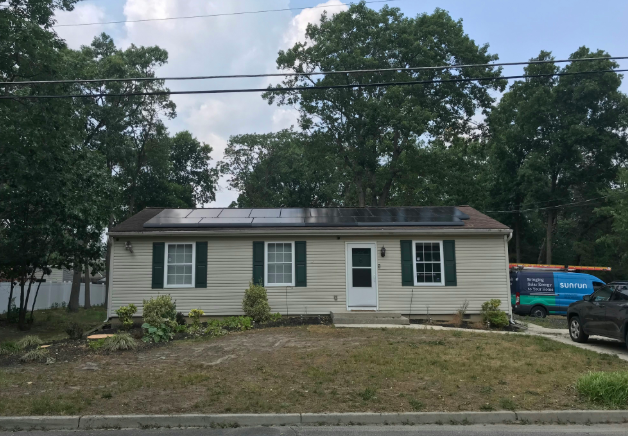
Solar energy harnesses the power of the sun through photovoltaic panels installed on rooftops, translating sunlight into electricity. This source of energy is particularly attractive for homeowners as it can drastically lower electricity costs and, in some cases, create surplus energy that can be sold back to the grid, ultimately becoming a lucrative investment.
Wind energy, another prominent renewable source, utilizes turbines to convert wind kinetic energy into electricity. While it is often associated with large-scale wind farms, residential wind turbines are gaining popularity and can provide substantial energy savings for rural homeowners with sufficient wind exposure. Meanwhile, geothermal energy uses the earth’s natural heat to provide heating and cooling solutions, offering an efficient energy alternative, especially in climates with significant temperature variations.
The transition to renewable energy is not only beneficial for individual homeowners but also crucial in the larger context of environmental stewardship. As communities and governments worldwide prioritize reducing dependence on fossil fuels, embracing renewable energy sources presents both an opportunity to save on energy costs and contribute positively to the planet. Therefore, understanding and implementing renewable energy solutions becomes imperative for modern homeowners aspiring to make sustainable choices.
Assessing Your Home’s Energy Needs
Before embarking on a renewable energy installation, homeowners must undertake a thorough evaluation of their current energy consumption. This initial assessment is crucial as it helps identify specific energy needs and facilitates informed decisions regarding renewable energy options. One effective method to conduct this evaluation is by performing an energy audit. An energy audit can be done independently or by hiring a professional. It typically involves examining the home for areas of energy loss, assessing appliances, and determining their energy usage patterns.
Additionally, analyzing past utility bills is instrumental in understanding energy consumption trends over time. Homeowners should obtain at least one year’s worth of utility bills to identify peak usage seasons and determine average consumption. This analysis can reveal specific patterns, such as increased energy demand during particular months, which may inform decisions on the appropriate size and type of renewable energy systems needed.
Moreover, assessing energy efficiency improvements in the home is pivotal. Simple measures such as sealing drafts, upgrading insulation, and replacing old appliances with energy-efficient models not only enhance comfort but also reduce overall energy consumption. Homeowners should investigate potential upgrades and their associated costs, as investing in energy efficiency may lead to lower usage, thus allowing for a smaller scale renewable energy system to meet their needs.
Lastly, it is essential for homeowners to set realistic energy goals based on their findings. These goals should reflect both the desired energy independence and the practical aspects of the household’s lifestyle. By establishing clear objectives, homeowners can align their renewable energy installations with their actual energy needs, ultimately ensuring a cost-effective and efficient energy strategy.
Exploring Renewable Energy Options
As the demand for sustainable energy solutions grows, homeowners are increasingly turning to renewable energy systems to power their residences. This section will explore various renewable energy options, namely solar panels, wind turbines, geothermal heating, and biomass, evaluating their efficiency, cost, installation requirements, and geographic suitability.
Solar panels are among the most popular choices due to their versatility and decreasing costs. They convert sunlight into electricity and can be installed on rooftops or ground-mounted configurations. The efficiency of solar panels can vary based on location, with sunnier regions benefitting the most. The installation process typically requires a certified contractor to ensure optimal performance and compliance with local regulations.
Wind turbines represent another viable renewable energy installation, primarily suited for areas with consistent wind patterns. These systems convert kinetic energy from wind into mechanical power, which can then be used to generate electricity. The cost of wind turbines has declined significantly in recent years, but they do require substantial space and a suitable structural foundation to operate effectively. Homeowners in rural or coastal regions are most likely to leverage wind energy due to higher average wind speeds.
Geothermal heating systems harness the consistent temperatures found below the earth’s surface to provide heating and cooling for homes. Though the initial installation cost may be higher due to the need for extensive ground loops, geothermal systems often result in lower operating costs and a smaller environmental footprint in the long run. However, their suitability is geographically limited, as they are most effective in areas with favorable geological conditions.
Lastly, biomass energy offers a renewable option that utilizes organic materials, such as wood or agricultural waste, to produce heat or electricity. The efficiency of biomass systems can vary depending on the technology used and the type of materials employed. Costs can also differ widely based on local availability and market conditions. Biomass installations can be effective across a range of geographic regions, making them an appealing choice for many homeowners.
Evaluating Financing Options
The installation of renewable energy systems in homes represents a significant investment, and understanding the available financing options is essential for homeowners. Financing can be divided into several categories, including incentives, tax credits, grants, and loans, each with unique benefits and considerations.
Incentives often include various local, state, and federal programs designed to encourage the adoption of renewable energy. These incentives can significantly reduce installation costs. A common incentive is the Federal Investment Tax Credit (ITC), which allows homeowners to deduct a percentage of the total installation costs for solar energy systems from their federal taxes. This can make a substantial impact on overall expenses.
Grants are another option, available from both government and non-profit organizations aimed at funding renewable energy projects. While grants potentially cover a portion or all of the project costs, they often come with specific eligibility criteria that must be met.
Loans for renewable energy installations can provide necessary funds upfront, allowing homeowners to pay back the amount over time. Numerous lenders offer specialized conditions and rates for energy-efficient home improvements. However, it is crucial to assess interest terms and repayment conditions to ensure viability.
When evaluating financing options, homeowners should also consider the overall budget for the renewable energy project. To budget effectively, one must account for upfront costs, potential long-term savings on energy bills, and the lifespan of the system being installed. Performing a detailed cost-benefit analysis can help in determining which financing route best aligns with financial goals.
Ultimately, homeowners are encouraged to research thoroughly and coordinate with professionals to optimize their financing strategy. By understanding and comparing these options, homeowners can make informed decisions leading to effective and sustainable renewable energy solutions.
Choosing the Right Installation Company
When considering the installation of renewable energy systems in your home, selecting the right company is of paramount importance. A reputable installation company will ensure the systems are installed correctly, safely, and efficiently, thus maximizing your investment. To begin with, one should evaluate the certifications held by the installation contractors. Certifications from recognized organizations indicate that the company adheres to industry standards and best practices. Examples of valuable certifications include those from the North American Board of Certified Energy Practitioners (NABCEP) for solar energy systems, which can serve as a benchmark of quality and expertise.
Experience in the field is another critical factor to consider. An installation company with a proven track record is likely to navigate any potential challenges effectively. In particular, look for companies that have been in the industry for several years and have a portfolio of successful installations that demonstrates their capability in handling various renewable energy technologies, whether it be solar, wind, or geothermal systems.
Moreover, obtaining reviews and testimonials from past clients can provide valuable insights into the company’s reliability and customer service. Online review platforms and social media channels can serve as a resource for assessing customer satisfaction rates. Gathering multiple quotes from different contractors is also recommended, not only to compare pricing but to understand the range of services and warranties they offer. Finally, it is essential to thoroughly review contracts before signing. Pay attention to the terms of service, what is included in the installation package, and the warranty coverage provided. Making an informed decision by carefully evaluating these aspects will ultimately help homeowners secure a trustworthy installation company that meets their renewable energy needs.
Understanding Local Regulations and Permits
When considering the installation of renewable energy systems in your home, it is crucial to understand the local regulations and necessary permits that govern such projects. Each municipality may have distinctive requirements, and navigating these regulations requires thoroughness and attention to detail. The first step is to contact your local government office or planning department. They can provide essential insight into any zoning laws, safety codes, and construction guidelines that must be adhered to when implementing renewable energy solutions like solar panels, wind turbines, or geothermal systems.
In many cases, homeowners may need to obtain various permits before commencing installation. The types of permits required can vary significantly based on the technology being implemented and the jurisdiction in which you reside. For example, a solar panel installation may require a building permit, electrical permit, and possibly even a special use permit, depending on local zoning regulations. Therefore, it is advisable to prepare by gathering all necessary documentation and project plans in advance to expedite the permit application process.
Additionally, it is essential to consider the guidelines set by your homeowners’ association (HOA), if applicable. Many HOAs have specific rules regarding aesthetic aspects of home improvements, which may impact the installation of renewable energy systems. Engaging with the HOA early in the process can help mitigate potential disputes and ensure compliance with any community standards. Furthermore, by adhering to local regulations and HOA guidelines, homeowners can contribute positively to the overall acceptance and integration of renewable energy within their communities.
In conclusion, understanding local regulations and permits is paramount for homeowners pursuing renewable energy installations. By proactively engaging with local authorities and reviewing HOA stipulations, you can ensure a smooth installation process, paving the way for a sustainable future in your home.
Installation Process Breakdown
The installation of renewable energy systems, such as solar panels or wind turbines, involves several key steps that homeowners should be aware of to ensure a smooth transition. Understanding the process allows homeowners to prepare adequately, minimizing disruptions during installation.
Initially, homeowners can expect an assessment phase where a qualified installer evaluates the property. This evaluation typically entails examining the roof’s condition, orientation, and shading for solar installations, or local wind patterns for wind turbines. Based on this assessment, the installer will provide a tailored proposal outlining system specifications, financial implications, and the project timeline.
Once the homeowner approves the proposal, permits and approvals from local authorities are required. This step can vary in duration depending on local regulations, but it is vital to secure the necessary documentation to avoid complications. Homeowners should prepare for potential inspections during this phase, which may require the homeowner’s presence.
Following the permitting process, the actual installation commences. Depending on the type of renewable energy system, the installation period can last from one day to several weeks. During this time, homeowners may experience disruptions, particularly if significant modifications are needed to their property, such as roof reinforcements or electrical system upgrades. Homeowners are encouraged to discuss the expected timeline with their installer, setting realistic expectations regarding daily routines.
Before installation, homeowners can take proactive steps, such as clearing unnecessary items from the installation area, ensuring safe access routes, and communicating with household members about potential noise or activities. By understanding these elements of the installation process, homeowners can facilitate a seamless setup, ultimately leading to an efficient renewable energy system in their homes.
Maintenance and Monitoring of Renewable Energy Systems
Once homeowners have invested in renewable energy systems, it is essential to implement proper maintenance and monitoring protocols to ensure these systems operate at their highest efficiency. Regular maintenance helps to prolong the lifespan of equipment such as solar panels, wind turbines, and geothermal systems. Homeowners are encouraged to familiarize themselves with the basics of each system to identify maintenance needs.
For solar panels, a simple task involves periodic cleaning to remove dirt, debris, and any obstructions that might block sunlight. In addition, it is advisable to inspect wiring and connections for damage or wear. Homeowners should also monitor the system’s performance through the inverter, which often provides real-time data on power production. Keeping track of energy output can help identify any declines in performance, signaling when further action may be necessary.
Wind turbines also require specific maintenance tasks, such as lubricating the moving parts and checking for corrosion. Homeowners should be attentive to any unusual noise or vibrations, as these can indicate a need for adjustments. Utilizing monitoring systems can provide detailed insights into energy production, allowing the homeowner to ensure that the wind turbine is performing optimally.
For geothermal systems, routine maintenance generally includes changing filters and flushing the heat exchange system periodically. Since these systems operate below ground, it may be prudent to seek professional assistance for comprehensive inspections and repairs if needed.
In conclusion, regular maintenance and effective monitoring are essential to maintaining the efficacy of renewable energy systems. Homeowners should be proactive in performing routine checks and utilizing available technologies to monitor energy production. By doing so, they can ensure that their investments in sustainable energy continue to yield the expected benefits.
Conclusion and Future Considerations
As we wrap up this comprehensive guide on renewable energy home installations, it is important to recognize the myriad benefits that such systems offer to homeowners. The shift to renewable energy sources, such as solar and wind power, not only facilitates a significant reduction in utility bills but also contributes to environmental sustainability. By harnessing natural resources, homeowners can diminish their carbon footprint while promoting energy independence. The long-term economic returns on these installations, coupled with potential tax incentives, frequently outweigh the initial investment costs, making renewable energy an attractive option.
The future of renewable energy technology continues to evolve. Advancements in energy storage, such as battery systems, are enhancing the capabilities of residential renewable energy setups. These innovations allow homeowners to store excess energy generated during peak sunlight or wind periods, ensuring a consistent power supply even when environmental conditions fluctuate. Moreover, smart technologies, including energy management systems, are increasingly being integrated into homes to optimize energy usage. These systems provide real-time data analytics, enabling homeowners to make informed decisions regarding their energy consumption and savings.
It is crucial for homeowners to stay informed about the latest developments in renewable energy technology. As advancements continue to emerge, early adopters stand to gain significantly not only in operational efficiency but also in cost savings. In conclusion, transitioning to renewable energy is not merely a trend but a forward-thinking investment in one’s home and future. Homeowners are encouraged to take action, explore their options, and consider incorporating the latest technologies that can enhance their renewable energy systems, ensuring a more sustainable and efficient living environment.