
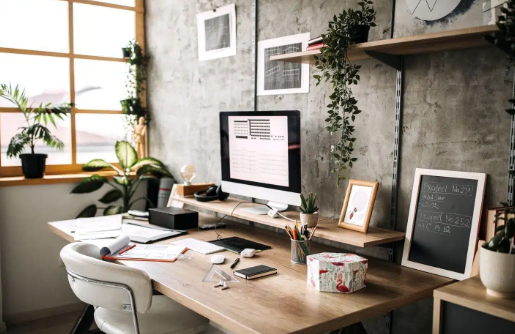


The Importance of an Effective Home Office
In the era of remote working, establishing a well-designed home office is essential for professionals seeking to optimize their productivity. An effective home office setup not only enhances focus but also significantly contributes to job satisfaction. A thoughtfully organized workspace can foster a sense of professionalism and boundary-setting, which are crucial for maintaining a healthy work-life balance.
When individuals work from home, distractions can become a significant barrier to achieving optimal productivity. An effective home office minimizes these distractions through dedicated space, allowing workers to concentrate on their tasks. By having designated areas for work, employees can mentally switch between home and professional responsibilities, a crucial factor in sustaining motivation and work ethic.
Furthermore, the design of a home office plays a substantial role in enhancing overall comfort. Proper ergonomics, including an adjustable chair, appropriate desk height, and sufficient lighting, help prevent physical strain that can lead to long-term health issues. Employees reporting high levels of comfort in their workspace are typically more engaged and productive, underscoring the need for careful attention in crafting the right environment.
A well-thought-out home office setup also cultivates an atmosphere that encourages creativity and innovation. Allowing for personal touches, such as artwork or inspirational quotes, can make the space more inviting. Creating an environment conducive to creative thinking enhances overall job satisfaction and can lead to improved performance in work tasks.
Lastly, a dedicated home office can contribute to a better work-life balance. With a separate space for work, professionals can efficiently delineate their work hours from personal time, reducing the risk of burnout and enhancing overall well-being. Therefore, a well-designed home office setup is not just about aesthetics; it plays a pivotal role in the lives of remote working professionals, impacting their productivity and happiness.
Choosing the Right Location in Your Home
When setting up a home office, selecting the ideal location within your residence is crucial for productivity and comfort. A well-chosen workspace can significantly enhance your remote working experience, making it essential to evaluate several factors. One of the key considerations is natural lighting. Sunlight not only boosts mood but also increases alertness, so positioning your office near a window can be beneficial. However, be cautious of glare on screens, which may require the use of blinds or curtains.
Another important element to consider is the level of noise in your chosen spot. A quiet area of your home will help you maintain focus and minimize interruptions. Avoid areas near bustling spaces like the kitchen or living room, where family members may inadvertently disrupt your concentration. Instead, consider bedrooms, basements, or even designated guest rooms that can be tailored into an office space.
Accessibility is a vital factor as well. Your home office should be easy to reach yet distinct enough to maintain a sense of separation between work and home life. This separation is particularly important in a remote work setting, helping to establish boundaries and a structured routine. Additionally, consider potential distractions that could arise in different areas of your home. For instance, setting up your office near your personal entertainment space may lead to temptations to take frequent breaks.
Lastly, ensure that the chosen location is flexible to your needs. As work requirements evolve, so might your preferences for workspace environments. By carefully considering these factors, you can select a location that enhances your efficiency and comfort, ultimately leading to a more productive workday.
Essential Furniture for Your Home Office
Creating a productive home office environment requires thoughtful consideration of essential furniture. Selecting the right desk is fundamental, as it serves as the primary workspace for remote working professionals. Desks come in various styles, including traditional writing desks, standing desks, and L-shaped desks, which offer ample surface area for multitasking. When choosing a desk, it is pivotal to consider the available space in your home office, as well as how much equipment and paperwork you need to accommodate. Additionally, adjustable desks are gaining popularity, allowing users to alternate between sitting and standing, which can promote better posture and health during long working hours.
Equally important is the choice of a comfortable and ergonomic chair. The chair should provide adequate support to maintain good posture, especially during extended periods of sitting. Look for features such as adjustable height, lumbar support, and cushioning to ensure comfort. Various designs cater to different aesthetics, from modern to classic, enabling you to create a cohesive home office decor that reflects your personality.
Storage solutions are also a crucial aspect of an organized workspace. Utilize storage options like bookshelves, filing cabinets, and storage boxes to keep your workspace clutter-free. Vertical storage can be particularly beneficial in smaller areas, maximizing the available square footage. Furthermore, consider utilizing multi-functional furniture, such as an ottoman with hidden storage or a desk with built-in shelves, to enhance both functionality and style.
In summary, an effective home office setup hinges on selecting the essential furniture that meets your workspace needs while enhancing comfort and efficiency. Prioritize functionality, ergonomics, and organization as you curate your home office furniture to create an environment conducive to productivity.
Ergonomics: Creating a Comfortable Workspace
When designing a home office, prioritizing ergonomics is essential for maintaining both health and productivity. An ergonomic workspace mitigates physical strain and enhances comfort, allowing remote working professionals to perform effectively over extended periods. The key elements to consider include seating, desk height, monitor positioning, and keyboard placement.
Choosing the right ergonomic chair is of utmost importance. A chair with adjustable height, lumbar support, and adequate cushioning helps maintain proper posture. Ideally, the feet should rest flat on the floor, and the knees should be at a 90-degree angle. In addition, armrests should support the arms without causing shoulder lift. Investing in a quality ergonomic chair pays dividends in reducing discomfort associated with long hours of work.
Desk height is another critical aspect of an ergonomic setup. The desk should allow for a neutral arm position while typing or using a mouse. Typically, the elbows should remain at a 90-degree angle, with the forearms parallel to the floor or slightly inclined. If standing desks are preferred, they should allow for similar arm alignment while enabling a comfortable standing posture.
Monitor placement also significantly impacts visual comfort. The top of the monitor should be at or just below eye level, positioned about an arm’s length away. This arrangement minimizes neck strain and eye fatigue. Utilizing monitor stands or adjustable arms can greatly assist in achieving and maintaining the desired height and distance.
Finally, keyboard positioning should be carefully considered as well. It is recommended that keyboards be placed at a height that allows the wrists to remain neutral and straight while typing. Using a wrist rest may further enhance comfort and prevent strain over time.
By implementing these ergonomic principles in a home office setup, remote professionals can create a comfortable and efficient workspace, supporting their overall health and productivity.
Essential Technology and Tools for Remote Working
In today’s digital landscape, establishing a productive home office requires the integration of various technologies and tools tailored for remote work. High-speed internet is fundamental as it serves as the backbone for all effective remote operations. Opting for fiber-optic connections can significantly enhance download and upload speeds, which is crucial for activities like video conferencing and large file transfers.
Computers are another essential element, with options ranging from laptops to desktops, depending on individual preferences and needs. A powerful processor, ample RAM, and a solid-state drive (SSD) can improve your overall efficiency and ensure smooth multitasking. Furthermore, consider peripherals such as high-quality webcams and headsets that can improve communication during virtual meetings, creating a more professional appearance.
Additionally, productivity software plays a vital role in streamlining your workflows. Tools such as project management software, like Trello or Asana, facilitate collaboration and task tracking. Document creation and sharing can be optimized using cloud-based services such as Google Workspace or Microsoft 365, which also provide various templates and applications suitable for different tasks.
Moreover, investing in a reliable printer can be beneficial for printing important documents when necessary. Consider models that offer wireless capabilities, allowing you to print documents from your devices remotely. Enhanced functionalities like scanning and copying can further maximize productivity. Ensuring your home office is equipped with the right technology and tools is essential in promoting an efficient and effective remote work environment, ultimately contributing to overall job satisfaction.
Personalizing Your Home Office Space
Creating a personalized home office is essential for cultivating a workspace that is both enjoyable and motivational. The ambiance of your office can significantly impact your productivity and creativity. One effective way to personalize your office is through thoughtful décor choices that resonate with your personal style. Consider introducing artwork or prints that inspire you; these can be landscape photographs, motivational quotes, or abstract designs that evoke positive feelings.
Choosing a color scheme is another critical aspect of personalizing your workspace. Colors can influence mood and efficiency. For instance, soft blues and greens promote calmness and focus, while bright yellows or oranges can stimulate creativity and energy. It is beneficial to select a palette that not only matches your taste but also enhances the atmosphere of the space. Accent walls or colorful office supplies can add a vibrant touch without overwhelming the space.
Incorporating personal items can further enhance your home office’s appeal. Family photos, mementos from travel, or quotes from influential figures can create a sense of connection and remind you of your aspirations. Plants also play a significant role in personalizing your workspace; they not only purify the air but also bring a touch of nature indoors, contributing to a more refreshing and invigorating environment.
Finally, ensure that your home office reflects your functional needs along with your personal preferences. Ergonomic furniture, well-organized storage solutions, and customizable lighting options can all enhance both comfort and productivity. By thoughtfully personalizing your home office, you create a space that encourages creativity, sustains motivation, and fosters a sense of ownership and pride in your work environment.
Creating a Work-Life Balance
Creating a work-life balance is a crucial consideration for remote working professionals, as the boundaries between personal and professional life can often blur in a home environment. To effectively navigate these boundaries, it is essential to adopt certain strategies that help maintain equilibrium and promote productivity.
One effective method is to set clear boundaries regarding work hours. Establishing specific start and end times for your workday can create a structured routine, signaling to yourself and others when you are available for work and when you are not. It is helpful to communicate these hours with household members, thus fostering a supportive atmosphere that respects your professional focus during the day.
Another successful strategy for maintaining a healthy work-life balance is the creation of rituals that help signify the start and end of the workday. This could include simple activities such as making a morning cup of coffee to signal the beginning of the day, or putting away work materials and taking a short walk to mentally transition from work mode to personal time. Engaging in these rituals not only aids in separating different aspects of life but also enhances overall productivity and well-being.
Additionally, it is vital to carve out personal time amid work commitments. Scheduling breaks throughout the day to step away from the computer can help reduce burnout, allowing time for exercise, hobbies, or family interaction. Incorporating activities that you enjoy can greatly improve your emotional and mental state, empowering you to return to work refreshed and more focused.
Ultimately, promoting a balanced lifestyle while working remotely requires intention and consistency. By setting clear boundaries, establishing routines, and taking time for personal pursuits, remote professionals can effectively enhance their overall satisfaction and performance in both personal and professional spheres.
Budget-Friendly Home Office Ideas
Setting up a home office does not have to be a costly endeavor. For remote working professionals on a budget, there are numerous creative solutions that can create a functional and inviting workspace. One of the most effective strategies is thrift shopping. Local thrift stores often contain an array of furniture and office supplies at significantly reduced prices. Desks, chairs, and bookshelves can often be found for a fraction of their retail cost, providing an excellent opportunity for budget-conscious individuals to furnish their home offices with quality items.
Another avenue for cost-effective home office setup is through do-it-yourself (DIY) projects. Repurposing old materials or furniture can lead to the creation of unique office solutions. For instance, an unused dining table can be converted into a spacious desk with a little sanding and refinishing. Similarly, old pallets or crates can be utilized to create innovative shelving units, adequately organizing office supplies while adding character. Engaging in DIY projects not only saves money but also allows individuals to tailor their workspace to their personal style.
Additionally, consider maximizing existing furniture by rearranging or modifying its purpose. An old cabinet can be transformed into a file storage system, while a spare bedroom can serve as a quiet workspace. Investing time in organizing items and decluttering can also enhance the functionality of a home office without additional costs. Furthermore, leveraging online platforms for free resources, such as downloadable planners or task organizers, can help maintain productivity without the need for expensive software.
In conclusion, creating a budget-friendly home office is entirely feasible through thrift shopping, DIY projects, and repurposing existing furniture. By implementing these strategies, remote workers can establish a comfortable and efficient workspace that aligns with their financial constraints.
Trends in Home Office Design
The rise of remote work has significantly influenced home office design, making it essential for professionals to create efficient, comfortable, and visually appealing workspaces. A key trend in home office design is the emphasis on multifunctional spaces. As homes become more versatile, many remote workers are integrating office spaces into existing rooms, such as living rooms and spare bedrooms. This integration often involves the use of stylish room dividers or innovative furniture that facilitates both work and leisure activities.
Another prominent trend is the incorporation of smart home technology into home office layouts. Features such as automated lighting, smart thermostats, and high-quality video conferencing hardware help enhance productivity and comfort. These technologies not only make remote work more efficient but also contribute to an overall modern aesthetic. Additionally, professionals are increasingly opting for ergonomic furniture to support healthy work habits, with adjustable desks and supportive chairs gaining popularity to mitigate the risks associated with long periods of sitting.
Aesthetically, the trend is leaning towards minimalist designs characterized by clean lines and a neutral color palette. This approach not only makes the workspace look more organized but also improves focus and reduces distractions. Natural elements such as greenery and ample natural light are also making their way into home offices, promoting well-being and creativity. The use of large windows or skylights can significantly enhance the atmosphere, making the home office a pleasant environment for daily tasks.
In conclusion, the latest trends in home office design reflect the evolving needs of remote working professionals. By embracing multifunctionality, smart technology, and contemporary aesthetics, individuals can create effective work environments that foster productivity and comfort.