
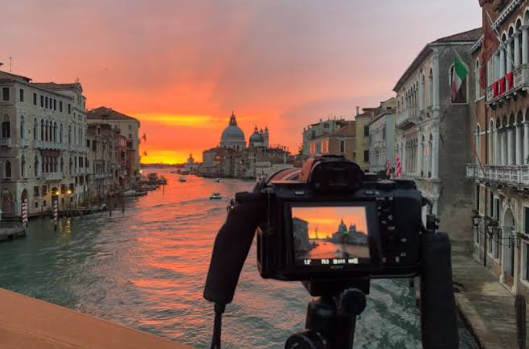


The Importance of Travel Photography
Travel photography plays a pivotal role in illustrating experiences and sharing captivating stories. It serves not only as a powerful narrative tool but also as a vital means for social media content creators to connect with their audience. Through stunning visuals, travel photographers can encapsulate the essence of a destination, conveying emotions and insights that resonate with viewers.
In today’s visual-driven digital landscape, the significance of travel photography can hardly be overstated. As social media platforms continue to thrive on eye-catching content, having the ability to produce high-quality images can profoundly enhance a content creator’s presence. Engaging photographs from travel adventures can lead to higher engagement rates, attract new followers, and foster a sense of community among like-minded individuals.
Beyond its aesthetic appeal, travel photography allows creators to tell unique stories. Each image has the potential to evoke curiosity, inspire wanderlust, and provide insight into different cultures and experiences. By capturing moments that are rich in detail and emotion, travel photographers can transport audiences to faraway places, inciting a wanderlust that encourages exploration and adventure.
Moreover, the art of travel photography can also serve practical purposes for content creators. It can contribute to building a personal brand, enhancing visibility in a competitive landscape, and establishing credibility within the travel niche. In a world saturated with content, distinguishing oneself through visually compelling images can play a critical role in a creator’s success.
Thus, understanding the importance of travel photography is essential for anyone looking to thrive as a social media content creator. Mastering this skill not only enriches the creator’s journey but also significantly impacts audience engagement and perception.
Choosing the Right Gear for Travel Photography
When embarking on a travel photography journey, selecting the appropriate gear is essential for creating high-quality visual content that resonates on social media. The first decision a content creator must make is the choice between a DSLR, mirrorless camera, or even a high-end compact camera. DSLR cameras offer a vast array of lenses and exceptional image quality, making them suitable for various photography styles. However, they can be bulky and heavy, which may detract from the ease of travel.
In contrast, mirrorless cameras have gained popularity among travel photographers for their lightweight construction and advanced technology. They generally offer similar quality to DSLRs with the advantage of smaller size, ideal for those who prioritize portability. Compact cameras, while limited in lens options, provide excellent quality in a portable design and are often more budget-friendly. Each camera type has its pros and cons, so the choice will ultimately depend on the specific needs of the creator.
Alongside the choice of camera, the selection of lenses is equally crucial. A versatile zoom lens can serve multiple purposes, allowing the photographer to capture wide landscapes as well as detailed close-ups without the need for changing lenses amidst travel. Conversely, prime lenses offer superior image quality due to their simpler construction, but they may require carrying more than one option for different shooting situations.
Additionally, accessories such as tripod, filters, and portable external flash can enhance image quality and expand creative possibilities. A lightweight tripod can stabilize shots for long exposures or low-light conditions and enhance composition. Filters may help manage reflections or enhance colors in various lighting scenarios. However, content creators should be mindful to select gear that aligns with their travel style, focusing on lightweight options while ensuring they meet the quality requirements for their photography aims.
Planning Your Shots: Research and Preparation
Before embarking on a travel photography journey, a well-structured plan is paramount. This foundational stage sets the tone for capturing compelling images that resonate with your audience. Start by identifying your destination and researching the most photogenic locations. Various online platforms, including travel blogs, social media, and photography websites, often provide valuable insights into the top spots worth visiting. This step ensures that your portfolio reflects the essence of the destination while highlighting its unique features.
Moreover, understanding the lighting conditions is crucial in travel photography. Different times of the day produce varied light qualities, significantly impacting the mood and clarity of your images. The golden hour, shortly after sunrise or before sunset, is particularly coveted for its soft and warm light, creating a natural ambiance that enhances the attractiveness of your compositions. Utilizing tools such as weather apps and sun path calculators can assist in predicting optimal shooting times for your intended locations.
Another critical aspect of your preparation involves exploring nearby attractions or lesser-known gems that can augment your photographic portfolio. Engaging with local communities and discovering hidden spots not only diversifies your content but can also provide unique narratives and perspectives to share with your audience. Participating in guided tours or local workshops can further enrich your experience, allowing you to capture authentic moments that stand out in the saturated world of travel photography.
In conclusion, the combination of thorough research and strategic planning can significantly elevate your travel photography endeavors. By prioritizing these elements, content creators can produce high-quality images that connect with their followers and showcase their creative vision effectively.
Mastering Composition Techniques in Travel Photography
Composition is a critical aspect of travel photography that significantly influences the impact of your images. By applying certain composition techniques, photographers can elevate their work from simple snapshots to visually captivating pieces that tell a story. One of the fundamental techniques is known as the rule of thirds. This guideline suggests dividing the frame into a grid of nine equal segments, using two horizontal and two vertical lines. By positioning key elements along these lines or at their intersections, photographers can create balance and draw viewers’ attention to focal points effectively.
Another important composition technique involves leading lines, which guide the viewer’s eye into the image. Natural lines found in landscapes, roads, or architectural elements can lead to your main subject, creating depth and perspective. Utilizing leading lines not only enhances visual interest but also invites the observer to explore the photograph more thoroughly.
Framing is yet another technique that can improve composition in travel photography. By using elements within the scene to create a border around the subject, photographers can isolate the focal point while adding context to the setting. This technique works well in various environments, from urban landscapes to nature photography. Additionally, incorporating foreground elements adds depth and layers to the image, making it more dynamic. Objects like flowers, rocks, or people in the foreground can enhance the three-dimensional feel of a photograph, providing visual cues that emphasize the scale and richness of the scene.
Incorporating these composition techniques in travel photography will not only improve the aesthetics of your images but also engage your audience on social media by presenting a more compelling narrative of your experiences. Mastering these skills requires practice and experimentation, but ultimately, it allows photographers to convey their unique perspectives and stories from around the world.
Utilizing Natural Light for Stunning Photos
Natural light is a fundamental element in photography, profoundly influencing the mood, tone, and overall quality of images. For content creators seeking to enhance their travel photography, mastering the use of natural light is crucial. This involves understanding when and how to harness the available light effectively to produce captivating photographs.
The golden hour, which occurs shortly after sunrise and before sunset, is widely regarded as the prime time for shooting. During this period, the light is softer, warmer, and casts long shadows, all of which contribute to more visually appealing compositions. To capitalize on this, content creators should plan their shooting schedule around these times, enabling them to capture landscapes and subjects bathed in the most flattering light.
In addition to timing, it is essential to adapt to varying lighting conditions throughout the day. Midday sun, while often intense, can lead to harsh shadows and blown highlights. To manage this, photographers can seek out shaded areas or utilize diffusers to soften the light. On overcast days, the clouds act as a natural diffuser, creating a soft and even light that is perfect for portrait photography. Understanding how to embrace these different lighting scenarios allows for greater versatility and creativity.
Another technique to master is the incorporation of light into compositions. Photographers can use backlighting by positioning the light source behind the subject, creating a rim light effect which adds depth and dimension to the photo. Additionally, experimenting with reflections from water or glass can generate unique lighting effects that enhance the aesthetic appeal of the images.
Ultimately, the effective use of natural light not only elevates the quality of travel photography but also adds a particular emotive element to the images, thereby engaging and captivating the audience on social media platforms.
Capturing Authentic Moments and Experiences
In the realm of travel photography, authenticity is paramount. Genuine moments not only enhance the storytelling aspect of your images, but they also enable your audience to connect with your experiences on a personal level. To achieve this, it is crucial to be fully present in your surroundings. When you allow yourself to immerse in the place you are visiting, the moments that unfold before you become more pronounced and immersive.
One effective method for capturing candid shots is to adopt a documentary-style approach to photography. Rather than staging moments or carefully posing subjects, pay attention to the ‘in-between’ moments when people are engaged in their activities. Whether it’s a local market bustling with energy, children playing joyfully in the streets, or travelers sharing laughter over a meal, these spontaneous scenes often convey the essence of a place far better than posed photographs.
Moreover, consider the narrative behind each image. Each photograph you take should tell a story, illustrating not just the sight, but the emotions and experiences tied to it. For instance, instead of focusing solely on landmarks, think about how the environment influences the interactions of people around you. Emphasize elements like facial expressions, gestures, and the interplay of light and shadow to craft photographs that resonate deeply with viewers.
Incorporating local elements and cultural nuances also enriches your photographic storytelling. Engage with locals, learn their stories, and invite them into your frame, capturing both their essence and the spirit of the place. This not only enhances the depth of your travel photography but also fosters a more authentic connection between you and your audience.
Editing and Enhancing Photos for Social Media
In the realm of travel photography, post-processing plays a crucial role in transforming ordinary images into captivating visuals. Editing not only enhances the aesthetic appeal but also helps in conveying a consistent narrative through your photographs. Several popular editing applications, such as Adobe Lightroom, Snapseed, and VSCO, have emerged as essential tools for creators seeking to refine their travel captures effectively.
Basic editing skills are fundamental for any social media content creator. Mastering functions such as cropping, exposure adjustment, contrast enhancement, and color correction can significantly improve the overall quality of your photos. Cropping allows you to focus on the most compelling aspects of an image, while adjusting exposure and contrast can bring out details that might otherwise be lost. Color correction is equally essential, as it ensures that the vibrant hues of the travel scene are accurately represented. Utilizing filters and presets judiciously in programs like Lightroom can also streamline your editing process, while still giving your images a polished look.
Another critical aspect of editing is maintaining a consistent aesthetic across your social media platforms. A coherent visual style is paramount for branding, as it allows followers to identify your content quickly. This can be achieved by choosing a select group of color palettes and editing techniques that resonate with your personal brand. For example, if you frequently capture coastal destinations, you might opt for bright and airy edits that bring out the blues and whites of the scenery. By carefully curating your edit styles, you not only create a visually appealing feed but also establish a recognizable identity that keeps your audience engaged.
Using Hashtags and Geotags to Increase Reach
In the realm of social media, the strategic application of hashtags and geotags can significantly enhance the visibility of travel photography content. Hashtags serve to categorize posts and allow users to find content based on shared interests. By incorporating relevant hashtags into your posts, you can tap into broader conversations and connect with users who have similar passions. For instance, utilizing popular travel-related hashtags such as #TravelPhotography, #Wanderlust, or #ExploreMore can expose your work to a larger audience, thereby increasing engagement.
Furthermore, it is essential to use a mix of specific and general hashtags to optimize reach. While broad hashtags attract more views, niche hashtags can connect you with a targeted audience more likely to appreciate your unique style. Aiming for a balance between the two can help in gradually building a substantial follower base who values your content.
In addition to hashtags, geotags—digital tags that specify a location—are vital for promoting travel photography. By tagging the precise location where a photo was taken, you not only provide context but also increase the likelihood of appearing in location-based searches. This can be particularly beneficial when sharing images from popular tourist spots or hidden gems, as it allows people searching for that specific destination to discover your work.
To maximize the effectiveness of these strategies, consider using a combination of trending hashtags, location tags, and tags specific to your photography style. Engage with your audience by responding to comments and participating in discussions, as this can also boost visibility. By systematically implementing hashtags and geotags, travel photographers can enhance their reach and foster a more engaged online community around their content.
Conclusion: Continuous Learning and Community Engagement
As travel photography evolves, so too must the skills and approaches of content creators. The world of social media offers endless opportunities for sharing captivating imagery, yet it similarly presents challenges that require ongoing education and adaptation. Embracing continuous learning is essential for photographers wishing to stay relevant and innovative. This means not only refining technical abilities but also exploring new techniques, styles, and trends that resonate within the online community.
Engaging with the photography community plays a pivotal role in this journey. By participating in workshops, online forums, and social media groups, content creators can gain invaluable insights from peers and industry professionals. These platforms provide opportunities to seek constructive feedback on one’s work, allowing for a deeper understanding of one’s strengths and areas that need improvement. Furthermore, sharing knowledge with fellow photographers fosters a spirit of collaboration and camaraderie, enriching the experience for everyone involved.
Moreover, many photographers find inspiration through collaboration with other creatives. Joint projects can lead to fresh ideas and unique perspectives, enhancing the visual storytelling of travel experiences. Engaging with diverse viewpoints not only broadens one’s technical understanding but also cultivates a more inclusive representation of global cultures in visual narratives.
The essence of effective travel photography lies in an unwavering passion and dedication to improvement. By committing to lifelong learning and actively participating in a supportive community, content creators can elevate their craft. This holistic approach not only enhances individual skill sets but also contributes to the collective wisdom of the photography community, ultimately enriching the social media landscape with diverse and compelling travel imagery. As you embark on this journey, remember that every photograph is an opportunity to learn and connect with others who share your passion.