
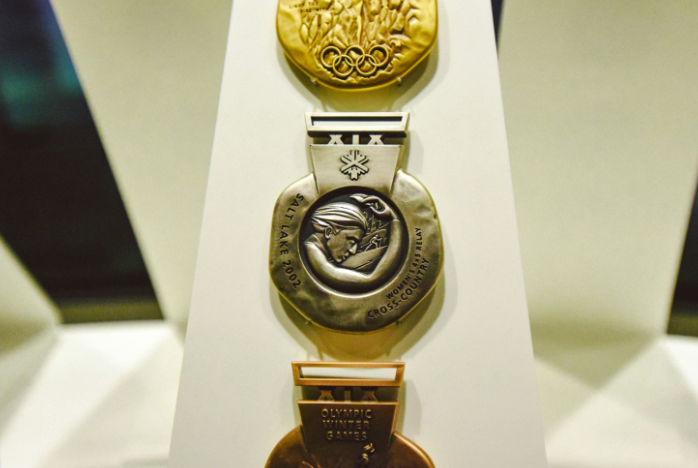


Introduction to the Olympic Games
The Olympic Games, held every four years, represent a pinnacle of athletic achievement and international camaraderie. Originating in ancient Greece, these games were initially a religious festival honoring Zeus, evolving into the global spectacle we know today. The modern Olympic Games were revived in the late 19th century by Baron Pierre de Coubertin, who envisioned a platform for athletes worldwide that transcends national boundaries and fosters a spirit of competition and excellence.
The significance of the Olympics extends beyond sports; they serve as a platform where athletes from diverse backgrounds unite to celebrate their dedication, hard work, and pursuit of excellence. Athletes compete not merely for medals but to embody the Olympic values of respect, friendship, and excellence. Each iteration of the Olympics reaffirms the importance of perseverance, dedication, and sportsmanship in the face of adversity. As athletes vie for victory, they often inspire millions, demonstrating that through commitment and passion, one can achieve greatness.
This event showcases the remarkable journey of athletes, who often dedicate years of training and sacrifices, highlighting their resilience and determination. From iconic moments like Jesse Owens’ triumph in 1936 to Michael Phelps’ record-breaking performances, the Olympics encapsulate the dreams of individuals who dare to push the limits of human potential. Furthermore, the Olympic Games provide a unique opportunity for cultural exchange, as nations come together to showcase not only athletic prowess but also heritage and tradition.
In this regard, the Olympics continue to evolve, adapting to contemporary contexts while maintaining their core values. As we delve deeper into memorable moments throughout Olympic history, it is vital to recognize the profound impact these games have had on athletes and spectators alike, nurturing a global appreciation for sports and fostering unity among nations.
The First Modern Olympics: Athens 1896
The revival of the Olympic Games began with the first modern Olympics held in Athens in 1896. This historic event marked a significant transition from ancient traditions to a structured international competition. The vision of Pierre de Coubertin, who aimed to promote physical education and international goodwill through sports, came to fruition during this momentous occasion.
Held from April 6 to April 15, the Athens Games featured athletes from thirteen countries, showcasing a spirit of global unity not seen before. This inaugural event included nine sports: athletics, cycling, fencing, gymnastics, shooting, swimming, tennis, weightlifting, and wrestling. Notably, it was the first time athletes competed for medals that celebrated excellence on such an international platform.
The atmosphere in Athens was vibrant, as thousands of spectators gathered in the Panathenaic Stadium, a remarkable structure that had been restored for the occasion. The stadium, originally built in 330 BC, provided a remarkable backdrop for the Games, symbolizing a bridge between the ancient and modern Olympic ideals. The emotional weight of the ceremonies included the lighting of the Olympic flame, a practice that would become another cherished tradition of the Games.
One significant highlight was the triumph of Greek athlete Spiridon Louis, who won the marathon, igniting national pride and admiration for the revival of the Olympics. The Games also introduced the concept of international competition with numerous athletes from across Europe and the United States, marking a pivotal moment in Olympic history.
In sum, the first modern Olympic Games in Athens 1896 not only revived ancient traditions but laid the foundation for a global sporting event that celebrated athleticism and unity. The success of these Games sparked a new era in the history of sport, inspiring future generations to pursue excellence and camaraderie through competition.
Jesse Owens at Berlin 1936
The 1936 Olympic Games, held in Berlin, Germany, were fraught with political tension, as Adolf Hitler’s Nazi regime sought to showcase an ideal of Aryan superiority. However, the most striking moments of the event came not from the propagandist efforts of the host country but from the outstanding athleticism of an American track and field athlete: Jesse Owens. Competing under the weight of racial prejudice and a hostile atmosphere, Owens emerged as a beacon of hope and resilience through his remarkable achievements.
Owens made an indelible mark on Olympic history by winning four gold medals, clinching victories in the 100 meters, 200 meters, long jump, and 4×100 meter relay. His unprecedented success not only shattered numerous records but also undermined the notions of racial superiority that were promoted by the Nazi ideology. With each race, Owens demonstrated extraordinary talent and determination, captivating audiences and challenging the social narratives prevalent at the time.
The significance of Owens’ victories extended far beyond his athletic accomplishments. His performance at the Berlin Games provided a powerful counter-narrative to the ideologies of the era, illustrating that talent and determination transcended race. Following his triumphs, Owens became an international symbol of dignity and resilience, inspiring future generations of athletes and contributing to the broader civil rights movement in the United States and around the globe.
Despite the acclaim he received for his sportsmanship, Owens returned home to a country still rife with racial discrimination. Nevertheless, his courage and skill at the 1936 Olympics laid a foundation for ongoing discussions about race, equality, and the transformation of the Olympic movement. Jesse Owens’ legacy resonates today as a reminder of the power of sport to unite and uplift, despite the challenge of societal barriers.
The Miracle on Ice: 1980 Winter Olympics
The 1980 Winter Olympics, held in Lake Placid, New York, is perhaps most renowned for the iconic match between the U.S. men’s ice hockey team and the Soviet Union. This game, often referred to as the “Miracle on Ice,” not only stands as a monumental achievement in American sports history but also played a significant role in the political climate of the time. The U.S. team, composed mainly of amateur and collegiate players, found themselves in a David versus Goliath scenario against the heavily favored Soviet team, which had dominated international hockey for over a decade, including having won the gold medal in the previous Olympics.
The match on February 22, 1980, began with the Soviets dominating early, scoring the first goal just minutes into the game. However, the U.S. team, under the guidance of coach Herb Brooks, showcased remarkable resilience and determination. As the game progressed, they rallied back, eventually leading to a score of 4-3 in favor of the Americans. This unexpected triumph was not merely a victory in sports; it symbolized a surge of national pride and unity during a period of heightened tension in the Cold War.
The emotional significance of the game cannot be overstated. For many Americans, the victory represented not only a challenge to Soviet dominance but also a collective triumph over adversity, encapsulating the spirit of the United States. It was a moment that transcended ice hockey, echoing the political sentiments of the time and providing hope in a climate characterized by fear and uncertainty. The game was later immortalized in popular culture, becoming a symbol of possibility and a reminder of what can be achieved through teamwork, perseverance, and belief in the improbable. Ultimately, the Miracle on Ice remains a defining chapter in Olympic history, illustrating the power of sport to inspire and unite across borders.
The Dream Team: 1992 Barcelona Olympics
The 1992 Barcelona Olympics marked a pivotal moment in the history of basketball, primarily due to the formation of the USA Basketball ‘Dream Team’. This elite squad, composed of some of the greatest players in the sport’s history, included legends such as Michael Jordan, Magic Johnson, Larry Bird, and Scottie Pippen. The Dream Team not only showcased unmatched talent but also represented a revolutionary shift in the international perception of basketball.
Coached by Chuck Daly, the team displayed a level of synergy and skill that left a lasting impact on the Olympic Games and the sport itself. Their gameplay was characterized by fast-paced, high-scoring strategies, seamless teamwork, and an exceptional understanding of the game, setting a standard that future teams aspired to achieve. Throughout the tournament, they dominated their opponents, winning each game by an average margin of 44 points, a testament to their superior athletic prowess and tactical execution.
The Dream Team’s influence extended beyond the court, contributing significantly to the global popularity of basketball. Their remarkable performances inspired a new generation of players and heightened interest in the sport worldwide. As the first Olympic basketball team to feature professional athletes, the Dream Team demonstrated the potential of combining talent from the NBA with the Olympic stage, thus paving the way for greater international competition.
Moreover, the spotlight on this star-studded lineup not only elevated basketball’s status in the United States but also transformed it into a global phenomenon. The Dream Team’s legacy is reflected in the subsequent growth of international basketball leagues and the increasing television viewership of the NBA. Their journey in Barcelona remains a defining moment in Olympic history, highlighting how a collective vision can revolutionize a sport and inspire countless individuals around the globe.
Usain Bolt’s Historic Sprinting Achievements
Usain Bolt, a name synonymous with speed and excellence, revolutionized the sport of athletics during the 2008 and 2012 Olympic Games. His dominance in sprinting, particularly in the 100m and 200m events, marked an extraordinary era in track and field history. Bolt first captured the world’s awe during the 2008 Beijing Olympics, when he broke the world record in the 100m with an astonishing time of 9.69 seconds. His performance was characterized by an incredible combination of acceleration and stride length, showcasing the unique attributes that enabled him to outrun his competitors.
In that same Olympics, Bolt further demonstrated his unparalleled talent by setting a new record in the 200m event, clocking in at 19.30 seconds. This remarkable feat not only solidified his status as the fastest man alive but also made him the first athlete ever to win both the 100m and 200m titles at the Olympics in consecutive competitions. At the 2012 London Olympics, Bolt successfully defended his titles, again breaking the 100m record with a time of 9.63 seconds and winning gold in the 200m with a time of 19.32 seconds. His sleek and effortless style on the track allowed him to outpace competitors while captivating the audience with his charisma.
Bolt’s impact on track and field extends beyond mere statistics. He inspired a generation of athletes to pursue greatness and popularized sprinting around the globe. His personality, combined with his remarkable performances, attracted millions of fans, elevating the Olympic Games to unprecedented heights of viewership. Usain Bolt’s legacy, marked by his record-breaking achievements, will forever remain etched in Olympic history as a testimony to the pinnacle of human athleticism.
The Rise of Female Athletes: Landmark Moments
The evolution of female participation in the Olympic Games marks a significant chapter in the history of sports. Initially, women’s involvement in the Olympics was marginal, with only a handful of events available to them. However, the Olympics have witnessed a gradual yet impactful rise of female athletes over the years, reflecting broader social changes regarding gender equality in sports and society at large.
One notable landmark moment occurred during the London 2012 Olympics, where female boxers competed for the first time. This inclusion not only showcased the athletic prowess of women in a traditionally male-dominated sport but also set a precedent for future games, emphasizing the importance of representation in all athletic disciplines. The event underscored the achievements of women, who have fought for inclusion across various sporting events and categories.
Prominent athletes have significantly contributed to this journey, with Billie Jean King standing out as an exemplary figure. King, who broke gender barriers in tennis, advocate for equality, and was instrumental in securing equal prize money for female athletes in major tournaments. Her victory in the 1973 “Battle of the Sexes” match against Bobby Riggs was not merely a win in sports but also a statement about the capabilities and rights of female athletes.
Another remarkable figure is Nadia Comaneci, whose perfect ten performances in gymnastics during the 1976 Montreal Olympics changed perceptions of female athletes. Her unprecedented level of skill and grace inspired generations of young girls to pursue sports, proving that female athletes can achieve extraordinary heights.
These moments, among many others, highlight the transformative impact of women in the Olympic Games. From advocating for equal rights to achieving unprecedented athletic feats, female athletes have played an essential role in shaping the narrative of the Olympics, making them a significant part of sports history and a reflection of ongoing strides towards gender equality.
Memorable Olympic Ceremonies
The Olympic Games are not only about the athletes competing for glory; they also serve as a grand stage for showcasing the culture and heritage of the host nation through their opening and closing ceremonies. Over the years, various Olympic ceremonies have captured the imagination of audiences worldwide, with remarkable performances and poignant cultural displays that evoke a sense of unity and celebration.
One of the most notable opening ceremonies was held in Beijing in 2008. This spectacular event was marked by a breathtaking performance that highlighted China’s rich cultural history and technological prowess. The ceremony featured thousands of performers and stunning visual effects, including a lavish display of fireworks, synchronized drumming, and intricate traditional dances. The culmination of this grand spectacle was the lighting of the Olympic cauldron by the former gymnastics champion Li Ning, symbolizing the ignite of the Olympic spirit.
The London 2012 ceremony also stands out as a defining moment in Olympic history. This opening event, conceived by director Danny Boyle, embraced British culture and creativity. From the whimsical inclusion of iconic characters, such as Mr. Bean, to the poignant tribute to the National Health Service, the ceremony was noted for its artistry and narrative depth. Additionally, the honor of lighting the Olympic flame was granted to a group of young athletes, emphasizing the inclusive nature of the Games and celebrating future generations.
These ceremonies not only celebrate the Olympic ethos but also leave lasting impressions of the host nations’ identities. Each Olympic event stands as a reminder of how sport transcends borders, promoting peace and understanding among diverse cultures. As spectators worldwide gather to witness these remarkable celebrations, the memories created during these ceremonies play an invaluable role in the legacy of the Games.
Conclusion: The Legacy of the Olympics
The Olympic Games serve as a vital platform for showcasing not only athletic prowess but also the indomitable spirit of humanity. Throughout history, memorable moments have emerged that encapsulate the resilience and determination of athletes striving for excellence. This legacy, deeply embedded in the fabric of the Olympics, reflects the dedication and sacrifices made by thousands of competitors over the years, creating a rich tapestry that inspires both current and future generations.
Events such as the iconic “Miracle on Ice” or Usain Bolt’s record-breaking sprints have transcended beyond mere sports. They represent a universal celebration of human potential and the power of perseverance. Each instance of triumph, whether against the odds or as part of a historic team, contributes to a shared human experience that unites spectators across borders. This sense of unity is crucial, particularly in today’s world, where geopolitical strife often creates division.
Looking forward, the future of the Olympics is poised to encapsulate evolving values. As the world increasingly embraces diversity and inclusivity, the Olympics must adapt to reflect these principles. Future Games may potentially emphasize sustainability and accessibility, ensuring that the spirit of competition remains relevant in an ever-changing societal landscape. Moreover, as new technologies emerge, they could enhance athlete experiences and viewer engagement, bridging gaps and fostering connections between nations.
Ultimately, the legacy of the Olympics is more than a historic catalog of athletic achievements; it symbolizes the hopeful aspiration for betterment, camaraderie, and global solidarity. Each edition of the Games ignites passion, celebrates cultural exchange, and reinforces a commitment to shared human values, positioning the Olympics as an enduring emblem of excellence and unity for generations to come.