
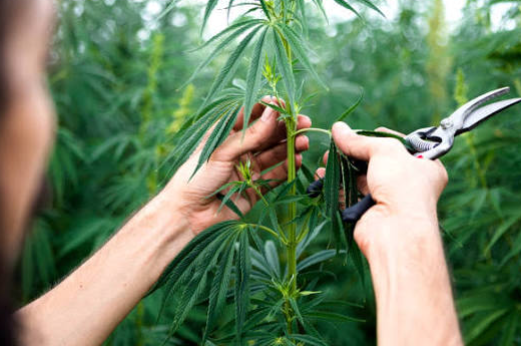


Inside the Afghan Kush Profile: Why Myrcene, Caryophyllene and Pinene Smell Like the Hindu Kush
Some cultivar profiles are hard to describe and harder to reproduce. Afghan Kush is not one of them. It has a signature that anyone who has spent time around old-school indica material recognises instantly: heavy, earthy, slightly sweet, with a dry herbal edge underneath.
The interesting part, from a formulation point of view, is how few compounds are doing most of that work. Understanding which ones, and how they interact, is the difference between a blend that reads as authentic and one that reads as generic earthy.
The three compounds carrying the profile
Afghan Kush blends are typically built around myrcene as the primary terpene, with beta-caryophyllene and alpha-pinene as significant supporting compounds.
Myrcene is the workhorse of indica-leaning profiles. Aromatically it contributes an earthy, musky, slightly fruity character that people often describe as damp soil, ripe mango skin, or hops. It is one of the most abundant terpenes in cannabis generally, and it is present in mango, hops, thyme and lemongrass. In a blend, myrcene provides body. It sits underneath the brighter compounds and gives the profile weight.
Worth noting on the practical side: myrcene carries a California Proposition 65 warning, which means products containing it require appropriate labelling for the California market. That is a documentation and compliance matter rather than a formulation one, but it needs to be in your process.
Beta-caryophyllene brings the pepper. It is the compound responsible for the warm, spicy, slightly woody note in black pepper, cloves and cinnamon. It is also structurally unusual among terpenes, being a sesquiterpene with a larger molecular structure than monoterpenes like myrcene or limonene. That larger structure gives it a higher boiling point and lower volatility, which matters when you are thinking about how a profile holds up over time or under heat.
In the Afghan Kush context, caryophyllene is what stops the myrcene from reading as flat. It adds definition and a dry spice that keeps the earthiness interesting.
Alpha-pinene is the sharp one. Pine, fresh resin, a hint of rosemary. It is highly volatile, which means it is also the first thing you lose to evaporation if containers are left open or material is handled carelessly. In a finished blend it provides lift, a top note that keeps the profile from sitting too heavily.
Why the combination reads as authentic
Anyone can put myrcene, caryophyllene and pinene in a bottle. What separates a convincing cultivar blend from an approximate one is the minor compounds and the ratios.
Real cannabis material contains dozens of aromatic compounds at low concentrations, and those trace components are where the specific character lives. The difference between generic earthy and the particular quality of bruised grass, dried dates, bitter orange peel and salt-crusted hash that people associate with the Hindu Kush lineage comes from compounds present at fractions of a percent.
This is why serious cultivar-specific formulation starts with analytical work rather than with aroma matching. Profiles built from a full compound analysis, rather than from three dominant terpenes and guesswork, hold up under scrutiny because the supporting cast is there.
The landrace connection
Afghan Kush traces to Afghanistan and the Hindu Kush mountain range, and that geography is not just marketing. Landrace populations adapted over long periods to specific conditions, and those conditions shaped their chemistry.
High altitude, intense UV exposure, dramatic temperature swings and dry conditions all influence secondary metabolite production. Plants under stress produce different compound ratios than plants in comfortable greenhouse conditions. The dense, resinous, heavily aromatic character of Hindu Kush genetics is partly the result of that environmental pressure.
Modern hybrids bred primarily for yield and cannabinoid content often have narrower, less complex terpene profiles than landrace material, which is one reason heritage profiles remain commercially valuable.
What this means when you formulate with it
Application matters more than the profile. A myrcene-dominant blend behaves differently across formats. In inhalable products, myrcene-heavy profiles tend to read harsh above roughly four per cent loading, so a lower percentage often produces a better result than the same percentage would with a limonene-dominant profile. In edibles and beverages, earthy profiles can turn medicinal quickly, so conservative loading is the safer starting point.
Expect the pinene to move first. Alpha-pinene’s volatility means the profile will shift over the shelf life of a product and during any heated process step. If you formulate to a target aroma at bench scale with fresh material, the finished product weeks later may read heavier than intended. Building that in, and controlling storage and headspace, is part of the job.
Caryophyllene gives you room. Its lower volatility makes it more stable through processing, which is useful when the rest of the profile is fragile.
Density affects your maths. These compounds do not share a density. Alpha-pinene, myrcene and beta-caryophyllene all differ, which means the overall density of a finished blend depends on its composition. If you are calculating loading by weight and dispensing by volume, use the density from the batch certificate of analysis rather than a generic average.
A note on effects language
It is worth being careful here. Terpenes are aromatic compounds, and while there is genuine research interest in how they contribute to the overall experience of cannabis products, the popular shorthand that specific terpenes reliably produce specific effects runs well ahead of the evidence.
Myrcene is widely described as sedating, and that association is embedded in how the industry talks about indica profiles. The underlying science is considerably less settled than the marketing suggests, particularly at the concentrations found in finished products. For anyone producing labelled goods, aroma and flavour claims are defensible ground. Physiological effect claims are not, and regulators in several markets have made that clear.
Formulate for aroma, flavour and consistency. Let the rest of the conversation stay descriptive rather than promissory.
Sourcing considerations
If you are evaluating suppliers for a heritage indica profile, the documentation tells you more than the sample does.
Ask for the certificate of analysis and check how many compounds are actually reported. A blend documented across a handful of terpenes is a different product from one built on a broad compound analysis, even if both bottles say the same cultivar name on the label. Ask for the safety data sheet, food grade certification where relevant, allergen statements for the markets you sell into, and batch-to-batch consistency data.
For anyone comparing options, an established afghan kush strain blend with full supporting documentation is a more useful benchmark than a cheaper alternative with a two-line spec sheet, because it tells you what the profile is supposed to contain before you start troubleshooting why your batch smells wrong.
The short version
Afghan Kush is a myrcene-led profile with peppery caryophyllene and sharp pinene giving it definition and lift. Its recognisable character comes as much from trace compounds as from the dominant three, which is why analytical depth matters in reproduction.
Formulate conservatively, respect the volatility of the pinene, use batch-specific density figures for your calculations, and keep your claims aromatic rather than physiological. That approach produces a product that smells the way it should and holds up when someone asks how you know.