
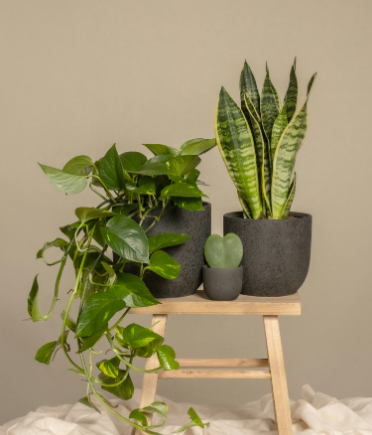


Introduction to Indoor Plants
Indoor plants have gained significant popularity among urban dwellers, particularly those living in small apartments. These green companions not only contribute to the aesthetic appeal of a limited living space but also offer an array of health benefits. Incorporating indoor plants into your home environment can significantly enhance air quality by absorbing toxins and releasing oxygen, which is vital for a healthy atmosphere.
Furthermore, studies indicate that the presence of indoor plants can positively influence mood, reduce stress levels, and boost overall well-being. The calming effect of greenery can create a serene environment, transforming a compact space into a peaceful retreat. This is particularly important in cities where outdoor green spaces may be limited and indoor environments often lack natural elements.
In small apartments, the relevance of choosing the right indoor plants becomes crucial. Select plants that require minimal space, low maintenance, and adapt well to indoor conditions. Succulents, herbs, and specific low-light plants can thrive in various corners, providing a splash of life and color without overcrowding the area.
Moreover, indoor plants can serve as natural air purifiers, removing harmful pollutants and improving the overall quality of the air we breathe. With their ability to absorb carbon dioxide and release oxygen, they play a vital role in sustaining a healthy and refreshing indoor ecosystem.
As we explore the best indoor plant options suitable for small apartments, consider the multitude of benefits they offer—not just as decorative elements but as essential components of a healthier living space that caters to both functionality and serenity.
Factors to Consider When Choosing Indoor Plants for Small Spaces
When selecting indoor plants for small apartments, several critical factors must be given due consideration to ensure that both the plants and the living space thrive harmoniously. One of the primary considerations is light availability. Different plants have varying light needs, ranging from low-light tolerant species such as snake plants and pothos to more light-demanding varieties like succulents and cacti. Before making a choice, assess the natural light conditions in your apartment; this includes observing which areas receive direct sunlight and which are predominantly shaded.
Another important factor is maintenance requirements. Some indoor plants demand a higher level of care, including frequent watering, fertilization, and pruning, which may not be feasible for individuals with busy lifestyles. Conversely, low-maintenance plants such as ZZ plants or peace lilies are excellent choices for small spaces as they require minimal attention while still adding aesthetic appeal. Understanding the time and effort you can dedicate to plant care is paramount in ensuring the longevity and health of your selected indoor plants.
Space constraints are also a vital factor to consider. In compact living arrangements, the size and growth habits of plants must align with available space to avoid overcrowding. Vertical gardening options, such as hanging planters and wall-mounted pots, can maximize limited space while still providing the greenery desired. Additionally, consider the ultimate size of the plants; some species may grow significantly larger than their initial size, which could lead to challenges in a small apartment setting.
Finally, it is essential to consider the overall aesthetic of your chosen indoor plants. Selecting varieties that complement your apartment’s decor and color palette can greatly enhance the ambiance of your space. By thoughtfully evaluating these factors—light availability, maintenance needs, space constraints, and aesthetic appeal—residents of small apartments can find the perfect indoor plants to enhance their living environment effectively.
Top 10 Indoor Plants Perfect for Small Apartments
Small apartments can present challenges for incorporating greenery, yet there are numerous indoor plants that not only thrive in limited spaces but also enhance aesthetic appeal and improve air quality. Here’s a curated list of the top 10 indoor plants ideal for compact living areas.
1. Snake Plant (Sansevieria trifasciata)
Known for its resilience, the Snake Plant can tolerate low light and infrequent watering, making it an exceptional choice for small apartments. Its upright, sword-like leaves add a modern touch to any room.
2. Pothos (Epipremnum aureum)
This trailing vine is perfect for shelves or hanging pots. Pothos can adapt to various light conditions and thrives with minimal care, making it ideal for busy urban dwellers.
3. ZZ Plant (Zamioculcas zamiifolia)
The ZZ Plant boasts glossy leaves and requires very little light and water. Its drought tolerance makes it perfect for small spaces where consistent care may be challenging.
4. Spider Plant (Chlorophytum comosum)
With its arching leaves and small offshoots, Spider Plants add a lush feel to tight spaces. They are easy to propagate, allowing you to expand your indoor oasis.
5. Peace Lily (Spathiphyllum spp.)
This elegant plant produces white flowers and can thrive in low-light conditions. It also acts as a natural air purifier, making it a beneficial addition to any small apartment.
6. Rubber Plant (Ficus elastica)
Available in various sizes, Rubber Plants feature large, glossy leaves. They prefer bright, indirect light and moderate watering, thriving in corner spots of smaller homes.
7. Aloe Vera (Aloe barbadensis miller)
Renowned for its medicinal properties, Aloe Vera is a succulent that needs minimal watering and benefits from bright light. Its compact size makes it suitable for windowsills.
8. Chinese Evergreen (Aglaonema)
This foliage plant is known for its stunning variegated leaves. It does well in low light, requiring minimal maintenance while offering visual interest to compact spaces.
9. Boston Fern (Nephrolepis exaltata)
Ideal for hanging planters, Boston Ferns thrive in humid conditions. They prefer indirect light and occasional misting, adding a cascading green look to apartments.
10. Dracaena (Dracaena spp.)
Available in multiple varieties, Dracaenas have striking leaves and can adapt to different lighting conditions. They add height without taking up much floor space.
Choosing the right indoor plants for small apartments can significantly enhance your living space. These ten options not only improve air quality and aesthetics but are also manageable for those navigating the challenge of limited room.
Low-Maintenance Indoor Plants
For individuals residing in small apartments, finding the right indoor plants can greatly enhance the living environment while contributing to overall well-being. Low-maintenance indoor plants are particularly suitable for those who may not have the time or experience to care for more demanding greenery. These plants are known for their resilience, allowing them to thrive with minimal attention.
One of the most recommended low-maintenance options is the snake plant, also known as Sansevieria. This hardy plant tolerates low light conditions and infrequent watering, making it an ideal choice for busy individuals. Additionally, the snake plant purifies the air by filtering out toxins, adding an extra layer of benefit to its ease of care.
The pothos is another exceptional choice, characterized by its attractive trailing vines. This plant flourishes in various lighting conditions and only requires watering when the soil feels dry. Its ability to adapt makes it a popular option among both novice and seasoned plant enthusiasts.
Furthermore, the ZZ plant stands out for its glossy leaves and drought resistance, thriving in neglect. It is perfectly suited for small spaces where light may be limited, as it can survive in low light environments without losing its vibrancy.
Lastly, the peace lily combines aesthetic appeal with low maintenance needs. It not only blooms charming white flowers but also enjoys shaded areas and sporadic watering. Its air purifying properties make it a beneficial addition to any apartment.
Each of these plants encapsulates the essence of low-maintenance indoor greenery, ensuring that even the busiest individuals can enjoy the beauty of nature within their small apartments.
Air-Purifying Indoor Plants
Indoor air quality is crucial for maintaining a healthy living environment, particularly in small apartments where ventilation can be limited. Certain indoor plants possess excellent air-purifying qualities that can enhance the ambiance while promoting better health. These plants not only add aesthetic value but also serve functional purposes by filtering toxins and improving indoor air quality.
One of the most popular air-purifying plants is the snake plant (Sansevieria), renowned for its ability to convert carbon dioxide into oxygen, especially at night. This hardy plant is incredibly low-maintenance and survives in dim light, making it an ideal choice for small spaces. Another excellent option is the peace lily (Spathiphyllum), which effectively removes pollutants such as formaldehyde and benzene from the air. Its lovely white blooms also enhance the décor within apartments.
Additionally, the spider plant (Chlorophytum comosum) is known for its air-purifying abilities, specifically against carbon monoxide and other harmful substances. It thrives well in various lighting conditions and produces offshoots that can be propagated easily. The Boston fern (Nephrolepis exaltata) is another effective air purifier. It excels in humid conditions, making it perfect for bathrooms or kitchens, where it can help to maintain moisture levels while filtering the air.
Incorporating these air-purifying indoor plants into a small apartment not only beautifies the space but also promotes a healthier atmosphere by removing toxins and releasing oxygen. A well-placed indoor garden can significantly improve the quality of life for residents, making it a beneficial investment for compact living environments.
Stylish Ways to Arrange Indoor Plants
Arranging indoor plants in small apartments can create a refreshing atmosphere while maximizing space. Creativity and style are key when it comes to making the most of these natural elements. One popular method is vertical gardening, which involves using wall-mounted planters or shelves to display plants without consuming floor space. By opting for various heights and cascading plants, you can add visual interest and dynamic shapes to your decor.
Shelf displays present another stylish option for incorporating indoor plants into your home. Utilizing existing furniture, such as bookcases or side tables, can enhance your overall design. It is advisable to select a variety of plants that complement each other in color and size. For instance, placing trailing plants above or alongside upright varieties can create a layered effect that draws the eye upward. Grouping plants with similar care requirements together will also streamline maintenance efforts.
Another technique to consider is the use of plant stands and pots to create levels. Strategically placed stands can introduce height, while unique containers—such as colorful ceramic pots or rustic baskets—can add character and complement your existing interior design. Furthermore, consider grouping plants with varying textures and leaf formations together. This will create a cohesive look while enriching your space visually.
It’s also essential to think about natural light when arranging indoor plants. Positioning sun-loving varieties near windows while placing shade-loving plants in dimmer corners ensures that all your greenery thrives. Additionally, rotating plants periodically can not only contribute to even growth but also introduces fresh visual dynamics to your arrangement.
Incorporating these strategies for stylish arrangements can showcase your indoor plants beautifully, while also enhancing the aesthetic of your small apartment.
Common Mistakes to Avoid with Indoor Plants
Maintaining indoor plants in small apartments can be a rewarding endeavor; however, there are several common mistakes that new plant owners often make. One of the most frequent errors is overwatering, which can lead to root rot and ultimately, plant death. It is essential to understand the specific watering needs of each plant, as preferences vary significantly. A general rule of thumb is to allow the top layer of soil to dry out before watering again. Utilizing pots with drainage holes can also help prevent excess moisture.
Another mistake is poor light placement. Many small apartment dwellers underestimate the importance of adequate lighting for their plants. Each species of indoor plant has specific light requirements, and failing to provide appropriate light can stunt growth or lead to leaf drop. Observing the natural light patterns within the apartment can help in determining suitable locations for various plants. For instance, plants that thrive in direct sunlight should be placed near windows, while those requiring lower light should be positioned further away.
Additionally, neglecting to consider the growth habits of plants can result in overcrowding, which may stifle their ability to flourish. It is crucial to choose plants that fit the available space and to periodically assess their growth, allowing for timely repotting or relocation as necessary. Each plant’s growth habits differ; some may require more room as they mature, while others might stay compact. Researching the specific needs and growth potential of chosen species will facilitate better care practices.
In summary, avoiding common mistakes such as overwatering, improper light placement, and neglecting growth habits can lead to healthier indoor plants that enhance the aesthetic of small apartments. By understanding the unique requirements of each plant, owners can create a thriving green oasis in their limited space.
Benefits of Indoor Gardening for Small Space Dwellers
Indoor gardening offers a myriad of benefits, particularly for individuals residing in small apartments. One of the most significant advantages is the enhancement of air quality. Plants have the remarkable ability to filter pollutants and toxins from the air, leading to a healthier living environment. Research indicates that certain species of houseplants are particularly effective at absorbing harmful substances such as formaldehyde, benzene, and carbon monoxide, contributing to improved respiratory function and overall well-being.
Additionally, indoor plants play a crucial role in reducing stress and promoting mental health. Studies have shown that the mere presence of greenery can lower anxiety levels and elevate mood. This effect is particularly beneficial for those living in compact spaces, where stressful urban surroundings can exacerbate feelings of confinement. The calming influence of plants can create a serene atmosphere, allowing for greater relaxation and focus.
Moreover, the act of caring for plants can serve as a fulfilling hobby, providing a sense of purpose and accomplishment. For many small space dwellers, tending to their indoor garden can offer a welcome respite from the hustle and bustle of daily life. This engagement with nature not only fosters emotional well-being but also encourages mindfulness—a practice that has been linked to numerous psychological benefits.
Finally, indoor gardening adds aesthetic appeal to small settings. A well-placed plant can transform a bland corner into a vibrant focal point, enhancing the overall decor while also improving mood. The visual beauty of greenery helps to connect individuals with nature, further enriching their living space. Thus, incorporating plants into small apartments is a practical and beneficial endeavor for those looking to create a more inviting and health-oriented home environment.
Conclusion and Final Thoughts
Incorporating indoor plants into small apartments not only adds aesthetic value but also promotes a healthier living environment. Plants have the unique ability to purify the air, enhance mood, and create a serene atmosphere, making them an invaluable addition to any compact space. For individuals living in smaller dwellings, selecting the right plants can make a significant difference. Low-maintenance options such as succulents, snake plants, and pothos are particularly well-suited for such environments due to their minimal care requirements and adaptability to varied light conditions.
Furthermore, the selection of indoor plants can reflect personal taste and style, transforming a small apartment into a vibrant sanctuary. By strategically placing plants in bright corners, on shelves, or even utilizing vertical gardening techniques, one can maximize space while introducing greenery. It is essential to consider factors such as light availability, humidity, and temperature to ensure plant health and longevity.
As this post has highlighted, a wide variety of indoor plants can thrive in small apartments, from colorful flowering species to lush leafy varieties. The benefits of these plants extend beyond mere decoration; they actively contribute to physical and mental well-being. Thus, exploring different plant options can be a rewarding endeavor that enhances both the functionality and beauty of your living space. Embracing the presence of indoor plants in your small apartment is a step towards creating a more inviting and wholesome home. Therefore, it is highly recommended to delve into the world of indoor gardening, as it promises both personal satisfaction and improved quality of life.