
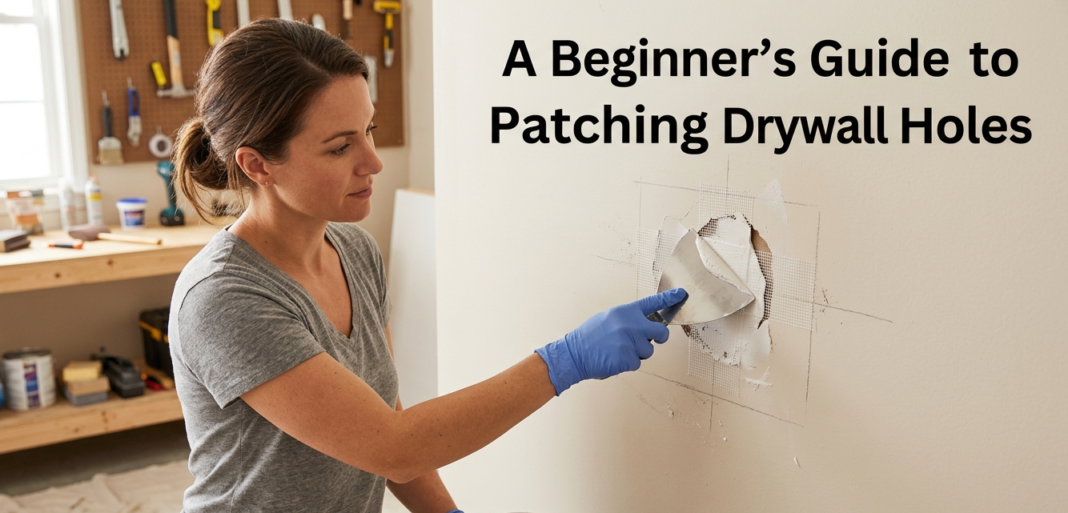


Introduction to Drywall Repair
Drywall, also known as gypsum board or wallboard, is a widely used construction material in both residential and commercial buildings. It serves as an interior wall surface, providing a smooth finish for painting and decoration. The primary composition of drywall includes a layer of gypsum sandwiched between two layers of heavy paper, making it lightweight and easy to install. Its versatility allows it to be used in various applications, including ceilings, partitions, and even curved walls.
Maintaining the integrity of drywall is essential. Over time, walls may incur damages due to various factors such as accidental impacts, moisture exposure, or general wear and tear. Common types of damages include holes, cracks, and dents that can significantly detract from the aesthetics of a room and diminish property value. Therefore, it is important to keep walls in good repair to not only enhance the visual appeal of a space but also to preserve its structural integrity.
Patching drywall holes is an important skill for any homeowner or property manager. While hiring a professional for repairs is an option, many individuals choose to address minor damages themselves. The benefits of patching holes on your own include the potential for significant cost savings and the satisfaction that comes from completing a home improvement task. Additionally, the process of fixing drywall can be relatively straightforward, as long as the correct techniques and materials are utilized, empowering individuals to take pride in their living spaces. By learning the fundamentals of drywall repair, one can ensure that their walls remain attractive and functional for years to come.
Gathering the Right Tools and Materials
Patching drywall holes successfully requires a selection of tools and materials that are both easy to use and essential for achieving a professional finish. As a beginner, it is important to gather the right items before starting the repair process. Below is a detailed list of the necessary tools and materials.
First and foremost, drywall patches are crucial for covering holes. There are two primary types: self-adhesive patches and metal patches. Self-adhesive patches are easier for beginners, as they do not require additional support and can be applied directly over the hole. Metal patches, on the other hand, are ideal for larger holes and require proper installation to ensure stability.
Another key material is the joint compound, often referred to as drywall mud. This substance is used to cover the patch and create a smooth finish. It comes in various forms, including pre-mixed and powder. For beginners, pre-mixed joint compound is recommended, as it is ready to use and easier to apply.
A set of putty knives is also essential for applying joint compound. These knives come in various sizes; a larger knife works well for spreading the compound over the patch, while a smaller one is ideal for detailed work and smoothing edges. Additionally, sandpaper is needed to achieve a smooth surface after the compound has dried. Fine-grit sandpaper is preferred, as it will not damage the drywall when smoothing out imperfections.
Finally, safety equipment, including dust masks and safety goggles, should not be overlooked. Working with drywall can create dust that is harmful to breathe, making protective gear essential. By gathering these tools and materials, beginners will be well-prepared to successfully patch drywall holes.
Assessing the Damage: Types of Holes to Repair
When it comes to drywall repair, understanding the various types of holes is crucial for determining the appropriate patching method. One of the most common types of damage is small nail holes, which typically arise from hanging pictures or shelves. These minor imperfections can be easily fixed with spackling compound, making them relatively straightforward for a homeowner to address. Generally, a small amount of compound applied with a putty knife will seamlessly fill these holes, and once painted over, they become nearly invisible.
Larger holes, often caused by doorknobs, furniture, or accidental impacts, require a more involved approach. Depending on the severity, these may be as big as a few inches in diameter. For such repairs, it is essential to use a patching technique suitable for the hole size. A patching kit or a piece of drywall cut to size can be utilized to create a solid foundation for the repair. When approaching these larger holes, it’s vital to ensure that the damaged area is properly supported to prevent future issues.
Extensive drywall damage is another category that often necessitates professional help. Conditions such as water damage or substantial gouges may compromise the integrity of the wall, requiring not only a skilled hand but also an evaluation of the underlying framing and insulation. In these cases, a thorough assessment is essential to determine the course of action. Repairing extensive damage often involves replacing affected sections of drywall and possibly reinforcing the structure behind it. Proper identification and evaluation of the damage will inform whether a simple patching solution suffices or if comprehensive repairs are necessary.
Step-by-Step Instructions for Patching Small Holes
Patching small holes in drywall is a straightforward process that can enhance the appearance of your walls. The first step involves preparing the area around the hole. Begin by cleaning the surrounding space with a damp cloth to remove any dust or debris. This ensures that the patch adheres properly. If necessary, use a putty knife to remove any loose or damaged drywall around the hole.
Once the area is clean, the next step is to apply the patch. For small holes, you can use a pre-made patch or simply fill the hole with spackling compound. If using a patch, place it directly over the hole and press firmly, ensuring that it is level with the surrounding drywall. If you are using spackling compound, apply it directly into the hole, using a putty knife to smooth it out.
After applying the patch, allow it to dry according to the manufacturer’s instructions. This usually takes a few hours, but it is essential to check if it is completely dry. Once dry, you will need to sand the patched area gently. This step is crucial as it provides a smooth finish, blending the patch into the surrounding wall. Use fine-grit sandpaper to remove any rough edges or excess compound, taking care not to damage the drywall around the patch.
To finish, apply joint compound over the patched area to create a seamless transition between the patch and the wall surface. After applying a thin layer, feather the edges to blend better. Allow this layer to dry and sand again if necessary. Finally, paint the patched area to match the existing wall color, making sure to use primer if you patch a large area. Following these instructions will ensure your small drywall repairs are not only effective but also aesthetically pleasing.
Patching Larger Holes: Techniques and Methods
Patching larger holes in drywall requires a strategic approach to ensure the repair is strong, durable, and aesthetically pleasing. The first step is to determine the size of the hole and the best method for repair. For holes larger than a few inches in diameter, using a piece of drywall is recommended. Begin by measuring the damaged area, and using a drywall knife, cut a square or rectangular piece of drywall that is slightly larger than the hole itself.
Once the patch has been cut, place it over the hole to trace the outline. Using the drywall knife, carefully cut along the traced lines to create a clean and even hole that matches the size of the patch. This ensures the patch can fit snugly. Before inserting the patch, it is essential to install support within the wall. This can be achieved by inserting wooden strips or metal braces inside the hole to which the patch can be secured.
With the support in place, secure the patch using drywall screws at each corner and along the edges, ensuring it is flush with the surrounding wall surface. Next, apply a joint compound over the seams of the patch. It’s vital to use a putty knife to spread the compound evenly, feathering the edges to blend seamlessly with the existing drywall. Allow the joint compound to dry completely, which may take several hours.
After the compound is dry, lightly sand the area to achieve a smooth finish. Apply additional coats of joint compound as necessary, sanding in between applications for best results. Finally, once satisfied with the smoothness of the surface, the area can be primed and painted to match the room’s decor. Employing these techniques ensures a professional-grade finish when patching larger drywall holes.
Sanding and Smoothing the Surface
Sanding is a crucial step in the process of patching drywall holes, as it ensures that the repaired area blends seamlessly with the surrounding wall. After applying the joint compound to the patch, allowing it to dry thoroughly is essential. Once dry, you will need to sand the compound to achieve a smooth finish that is not only visually appealing but also functional, as it allows for better adhesion of paint or texture.
To begin sanding, gather the appropriate tools. A sanding block or an electric sander is recommended for larger areas, while a sanding sponge may be more effective for detailed work. When choosing sandpaper, opt for a medium-grit (around 120) for initial sanding, followed by a finer grit (220) for final smoothing. This two-step approach will help you eliminate any imperfections and create a flawless surface.
When sanding the patched area, it’s important to apply light pressure and use a circular motion to prevent gouging the drywall. Start by sanding the edges of the patch, gradually working your way towards the center. Be mindful not to sand too aggressively, as this could damage the surrounding drywall or remove too much of the joint compound. Frequently check the progress of your work by wiping the area with a damp cloth to remove dust and assess the smoothness.
Once the patched area feels smooth to the touch, it is advisable to lightly feather the edges of the joint compound into the surrounding drywall. This technique creates a gradual transition, making the repair less noticeable. After completing the sanding process, be sure to clean the area thoroughly to remove any dust before proceeding with priming and painting. In doing so, you are guaranteed to achieve a professional-looking finish that enhances the overall appearance of your walls.
Painting and Finishing Touches
Once the drywall patch is completely dry and smoothed down, it is critical to proceed with painting and applying finishing touches to ensure that the repaired area blends seamlessly with the rest of the wall. The first step in this process is selecting the appropriate paint. Ideally, you should use the same type and finish of paint that is currently on your walls, whether it is matte, eggshell, satin, or semi-gloss. If you are unsure about the exact match, taking a small sample to your local paint store can help you obtain the closest possible color and sheen.
Before applying the paint, it might be necessary to apply a primer to the patched area. This is especially important if the patch compound is noticeably different in color or texture compared to the surrounding wall. Primers not only help in improving adhesion, but they also create a uniform surface for the paint, enhancing the overall finish. After the primer has dried completely, you can assess whether a second coat is necessary for the best coverage.
When painting the patched area, use a small brush or roller to carefully apply paint. For larger patches, a roller may facilitate more efficient application, ensuring that the new paint covers the area evenly. Employ a stippling technique—lightly dabbing the brush or roller on the surface—to help the repaired area blend naturally with the existing texture of the wall. Once the paint has dried, take a step back to inspect the finish in different lighting. If additional coats are needed for uniformity, proceed with caution, allowing adequate drying time between applications.
Finally, after you achieve a consistent finish that matches the surrounding wall, inspect the area for any missed spots and make necessary touch-ups. Proper completion of this step will not only restore the appearance of the wall but also enhance the room’s overall aesthetics.
Common Mistakes to Avoid
Patching drywall holes is a skill that requires precision and attention to detail. Novice DIYers often encounter several pitfalls that can jeopardize the quality of their repairs. One prevalent mistake is over-sanding the patched area. While sanding is essential in creating a smooth finish, excessive sanding can result in a noticeable dip or uneven surface. It is crucial to sand just enough to blend the patched area seamlessly with the existing wall.
Another common error is rushing the drying process. Patience is key when applying joint compound. If the first coat is not allowed to dry fully before sanding or adding additional layers, the patch may crack or elevate. It is advisable to follow the manufacturer’s instructions regarding drying times, which may vary based on the thickness of the compound being applied and environmental conditions.
In addition, applying insufficient joint compound can lead to an unsatisfactory repair. Many beginners underestimate the amount of compound needed to fill a hole adequately and cover the edges of the patch. Not applying enough joint compound may result in the patched area appearing recessed or uneven once finished. A general approach is to use multiple thin layers of joint compound rather than a thick single application, ensuring better adhesion and a smoother final appearance.
Lastly, failing to protect surrounding areas during the repair can lead to unwanted messes or damage. Utilizing painter’s tape and drop cloths can be beneficial to avoid any unintended marks on the walls or floors. Taking the time to prepare your workspace not only prevents messes but also contributes to a more efficient and successful drywall repair process.
Conclusion and Final Tips
As we have explored throughout this guide on patching drywall holes, the process is not only manageable but can also be accomplished effectively with the right techniques and tools. Whether you are addressing small nail holes or larger gouges, understanding the basic steps—such as preparing the area, applying the appropriate materials, and finishing the surface—will ensure lasting repairs.
To maintain your drywall and prevent future damage, it is essential to perform regular inspections and address any issues promptly. Be mindful of high-traffic areas where bumps and abrasions are more likely to occur. Moreover, consider using corner guards in susceptible locations to further protect against impacts. When doing any renovations or repairs in your home, take care to handle tools and materials with caution, and educate yourself on best practices for installation and maintenance.
Finally, it is recommended to practice the skills learned throughout this guide. Patch a few holes in inconspicuous areas to gain confidence with the process. With persistent practice and attention to detail, you will soon find that patching drywall becomes a straightforward task. Your growing proficiency will empower you to take on more extensive projects in the future, enhancing your home’s appearance and functionality.
In conclusion, patching drywall does not have to be an intimidating process. With the right preparation and diligence, anyone can successfully restore their walls. Embrace these techniques and approach future repairs with confidence, knowing that you now possess the knowledge to make your home a better place.