
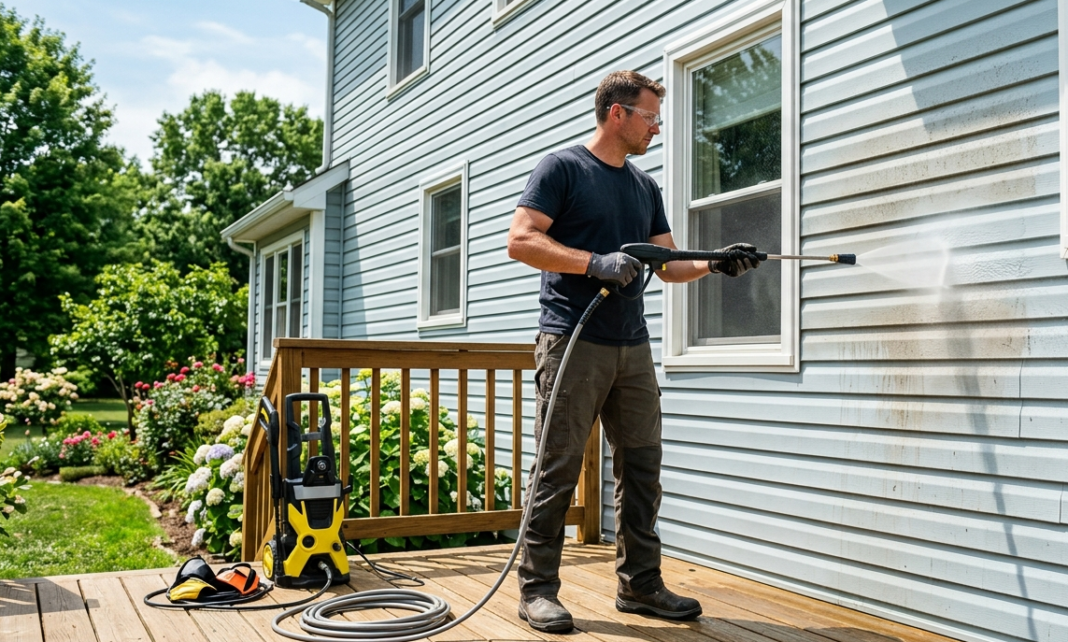


Understanding Power Washing
Power washing, often confused with pressure washing, is a cleaning technique that utilizes heated water and high pressure to effectively remove dirt, grime, mold, and mildew from various surfaces. While both methods rely on high-pressure water to clean surfaces, the key difference lies in the temperature of the water used. Power washing employs hot water, which aids in dislodging stubborn stains and contaminants more efficiently than the cold water used in pressure washing.
The benefits of power washing your home’s exterior are manifold. Primarily, it significantly enhances the overall curb appeal of a property. A clean exterior can transform the appearance of your house, making it more inviting and attractive, which is particularly important if you are considering selling or renting your home. In addition, regular power washing helps to protect your investment by removing harmful substances that can lead to deterioration. Mold and mildew not only pose health risks but can also damage paint and siding over time, leading to costly repairs.
Moreover, power washing is an immensely effective method for cleaning a variety of surfaces, including decks, patios, driveways, siding, and roofs. It can remove stains caused by algae or rust and restore surfaces back to their original condition. Utilizing power washing as part of your regular maintenance routine can significantly extend the life of your home’s exterior features. This cleaning method is generally quick and efficient, allowing homeowners to achieve impressive results in a fraction of the time compared to traditional cleaning methods.
Gathering Necessary Equipment and Materials
Power washing your house exterior effectively requires a variety of equipment and materials. The first step is to select an appropriate power washer. Two main types of power washers are available: gas and electric. Gas-powered models are typically more powerful, making them suitable for deep cleaning hard surfaces like driveways and decks, while electric models are quieter and more environmentally friendly, ideal for lighter-duty tasks such as washing siding or patios.
In addition to the power washer, safety gear is essential. Protective eyewear, gloves, and sturdy boots should be worn to shield against high-pressure water and cleaning agents. A respirator may also be warranted in scenarios where chemical solutions are utilized, ensuring you do not inhale potentially harmful vapors.
Choosing the right cleaning solutions is crucial for achieving desired results. Various types of detergents are designed specifically for power washing. Look for products that suit the surfaces being cleaned, such as mold and mildew removers, degreasers, or general-purpose soaps. Always check the manufacturer’s recommendations for compatibility with your power washer model.
Other accessories that enhance the power washing process include extension wands, which help reach high areas without needing a ladder, and different nozzle tips that allow control over water pressure. A surface cleaner attachment is also beneficial; it provides a larger cleaning area and reduces streaking on flat surfaces.
Finally, ensure you have a water source readily available, as most power washers require a direct connection to a hose. By gathering the appropriate tools and materials ahead of time, you can ensure a smooth and safe power washing experience.
Preparing Your Home for Power Washing
Before embarking on the task of power washing your house exterior, it is essential to ensure that your home is properly prepared. The first step in this preparation process is to clear the area surrounding your house. This involves moving any outdoor furniture, decorations, or equipment that may obstruct access to the surfaces you intend to clean. It is also advisable to remove items such as grills or flower pots that might be damaged by the power washing process.
Another critical aspect of preparation is protecting vulnerable areas such as windows and doors. Windows can be particularly susceptible to damage from high-pressure water, leading to possible leaks or breakages. To safeguard these areas, consider using painter’s tape along the edges of windows, sealing them from excess water. Additionally, covering them with plastic sheeting can provide an added layer of protection against dirt and moisture.
In tandem with safeguarding windows, ensure that any surrounding plants, flowers, or shrubbery are adequately covered. Power washing involves the use of detergents and powerful streams of water, which can harm vegetation. Using tarps or old sheets can help shield these plants from potential damage. It is also advisable to water the plants before commencing the washing process, as this can help reduce the absorption of chemicals from cleaning agents.
Lastly, ensure that all electrical outlets and connections around the home are properly safeguarded. Water and electricity are a dangerous combination; hence, it is vital to cover outdoor electrical sockets with waterproof covers or even plastic wrap. Disconnect any outdoor appliances that may be exposed to moisture and ensure that extension cords are positioned away from the power washing zone. Taking these precautions will enhance the safety and effectiveness of your power washing task, helping you achieve a clean exterior without unintended damage.
Safety Precautions to Consider
When embarking on the task of power washing your house exterior, prioritizing safety should be your foremost concern. Power washing involves high-pressure water streams, which can pose significant risks if not handled correctly. One of the primary safety measures is to wear appropriate safety gear. This includes safety goggles to protect your eyes from debris, gloves to shield your hands from high-pressure water, and sturdy footwear to prevent slips and falls. Wearing long pants and a long-sleeved shirt can offer an additional layer of protection against any potential hazards.
Proper handling of power washing equipment is equally crucial. Before you begin, ensure that you are familiar with the power washer’s operating manual. Always check for any visible defects or leaks in the hoses or connections and make sure the equipment is in good working order. It is recommended to keep the nozzle at least 12 inches away from surfaces to avoid damaging them and to ensure a more controlled wash.
Furthermore, maintaining a safe distance from electrical sources is vital during the power washing process. Water and electricity are a dangerous combination; therefore, it is advisable to avoid washing close to power lines, outlets, or electrical appliances. Additionally, moving or covering any delicate items, such as garden furniture or potted plants, will help prevent damage and ensure a comprehensive cleaning without risks. It is also wise to assess the environment and ensure that there are no obstacles or bystanders within the vicinity that could be injured during the process.
By adhering to these safety precautions, you can significantly reduce the risk of accidents and injuries while power washing, facilitating a cleaner and safer environment for your home.
Choosing the Right Technique for Different Surfaces
Power washing is an effective method for cleaning a variety of exterior surfaces; however, it is essential to choose the right technique for each material to avoid damage while ensuring a thorough clean. Different surfaces such as wood, brick, concrete, and siding require distinct approaches, including variations in pressure settings and nozzle types.
When dealing with wood surfaces, such as decks or fences, a lower pressure setting is recommended to protect the wood fibers from splintering. A pressure level between 500 to 1500 PSI is typically appropriate. Additionally, a wide-angle nozzle (25 to 40 degrees) helps disperse the pressure over a larger area, reducing the risk of damage. It is also advisable to use a cleaning solution specifically formulated for wood to restore its natural look and protect against mold and mildew.
Brick surfaces can generally withstand higher pressure, usually around 1500 to 2000 PSI. However, caution is still necessary to prevent mortar damage. A 15 to 25-degree nozzle works best for brick, ensuring dirt and grime are effectively removed without compromising the integrity of the joints. Utilizing a fan pattern is beneficial for evenly cleaning the textured surface of brick.
For concrete surfaces, such as driveways and walkways, higher pressure settings of about 3000 PSI are appropriate to tackle tough stains like oil and grease. A narrow nozzle (0 to 15 degrees) delivers concentrated force, making it easier to dislodge deeply embedded dirt. For the optimal result, pre-treating the area with a concrete cleaner can enhance the effectiveness of the power washing process.
Finally, siding, which can be made from vinyl or aluminum, requires a moderate pressure, typically between 1300 to 1600 PSI. The use of a 25-degree nozzle is advisable, as it strikes a balance between effective cleaning and surface protection. It is wise to include a detergent specifically designed for siding to address potential mold and mildew issues effectively.
Using Cleaning Solutions Effectively
When engaging in power washing of your house exterior, the choice and application of cleaning solutions play a critical role in achieving thorough and effective results. Different surfaces often require distinct cleaning agents to ensure optimal outcomes while maintaining safety for both the environment and surrounding vegetation.
One of the most common types of cleaning solutions used in power washing is a general-purpose detergent. This type of cleaner is effective for removing dirt and grime from various surfaces, including vinyl siding, brick, and concrete. For tougher stains, such as mildew or mold, a solution containing sodium hypochlorite or a specialized mold and mildew remover may be warranted. It is essential to follow the manufacturer’s instructions for dilution and application to ensure that the solution works effectively without causing damage.
Prior to mixing cleaning solutions, it is crucial to examine the surface material of your external walls. Mixing ratios vary, and adhering strictly to the recommended proportions will prevent excessive use of chemicals while ensuring the cleaning agent remains potent. Use a clean container when preparing your mixtures and always label them clearly to avoid confusion. Moreover, wearing protective gear such as gloves and goggles is highly advisable to safeguard against splashes and chemical exposure.
Environmental protection is an important consideration when using any cleaning solutions. It is essential to avoid runoff that may harm plants or wildlife. Moreover, rinsing the area, particularly around flower beds or shrubs, prior to power washing can create a protective barrier. Utilizing eco-friendly cleaning solutions can also minimize the impact on the environment while effectively cleaning your house exterior.
In conclusion, choosing the correct cleaning solutions and using them appropriately is vital in power washing. Being mindful of mixing instructions and environmental considerations ensures a safe and effective cleaning process, leading to a well-maintained exterior.
Step-by-Step Power Washing Process
Power washing your house exterior can be a rewarding task, revitalizing the appearance of your home while removing dirt, mold, and mildew. However, to ensure effective cleaning while maintaining safety, following a structured process is essential. Here’s a step-by-step guide to navigating this task.
Begin by preparing your workspace. Clear the area surrounding the house of any outdoor furniture, plants, and any other obstacles. Ensure that all windows and doors are tightly closed to prevent water from entering your home. It is advisable to cover electrical outlets and outdoor fixtures with plastic to protect them from water spray.
Next, set up your power washer. Ensure that it is positioned on a stable surface and that all the necessary hoses are securely connected. Attach the appropriate nozzle, typically a zero-degree or 15-degree nozzle for tough stains, but remember to start with a broader spray first to avoid damage. Fill the detergent tank with a suitable cleaning solution designed for exterior surfaces; this step is crucial to ensure an efficient cleaning process.
Once your power washer is ready, it’s time to commence cleaning. Begin by applying the cleaning solution to the exterior. Start from the bottom and work upwards. This technique allows the solution to cling to dirt and grime, making it easier to wash away later. Allow the detergent to sit for the recommended time; read the manufacturer’s instructions for specific details.
After the solution has adequately set, switch to a rinsing mode. Use clean water at a moderate pressure to rinse the detergent off, again working from the top downwards. This step is vital in preventing streaks and ensuring that all soap is removed. Finally, conduct a thorough inspection of your work. Check for any missed spots or areas that may require additional cleaning. This final step will ensure a thoroughly clean and well-maintained exterior.
Post-Cleaning Care and Maintenance
Once the power washing process is completed, attention must be directed towards the maintenance of your house’s exterior. Proper post-cleaning care not only enhances the aesthetic appeal of your home but also plays a crucial role in prolonging the life of the surfaces. Begin by conducting a thorough inspection to identify any damage that may have emerged during the cleaning process or that was previously undetected.
Look for signs such as peeling paint, cracking, or exposed wood. Should any issues arise, it is advisable to address them promptly to prevent further deterioration. For areas that display wood rot or where paint has worn away, performing timely repairs is essential. Once any damages have been resolved, consider applying a protective coating, particularly on wooden surfaces. Protective coatings can significantly reduce the likelihood of mold, mildew, and popular fungal growth, which can thrive on unprotected substrates. Additionally, many homeowners choose to apply sealants to masonry surfaces, ensuring that they repel water and resist stains.
Another effective strategy for maintaining your house’s exterior involves scheduling regular cleanings. A routine power washing, ideally every 1 to 2 years, can prevent the buildup of dirt, grime, and damaging organisms. Establishing a cleaning calendar enables homeowners to stay ahead of potential issues and ensures that the exterior remains in excellent condition. It is also wise to keep the surroundings of your home clear of debris, foliage, and litter, as these can accumulate on surfaces and lead to deterioration over time.
In summary, the post-cleaning maintenance of your house’s exterior is a vital step that should not be overlooked. Regular inspections, application of protective coatings, and strategic scheduling of cleanings will maintain the integrity and appearance of your home, ensuring it remains safe and visually appealing for many years to come.
Troubleshooting Common Problems
When undertaking the task of power washing your house exterior, you may encounter several common problems that could hinder your cleaning efforts. Understanding these issues and how to resolve them can facilitate a more effective power washing experience.
One frequent problem is the occurrence of streaks or uneven surfaces after cleaning. Streaking can often result from using too high a pressure setting or not maintaining a consistent washing technique. To mitigate this, ensure that you are using moderate pressure and employ a uniform motion while power washing. Working in small sections and overlapping each pass can also assist in achieving a consistent clean.
Missed spots are another challenge that might arise during the cleaning process. These can occur due to inadequate attention to detail or insufficient rinsing. When you notice areas that have not been cleaned, revisit those spots with a lower pressure setting. It is also advisable to pre-treat these areas with a suitable cleaning solution to enhance stain removal. Make sure to rinse thoroughly to prevent any cleaning solution residue from being left behind.
Equipment issues can pose significant setbacks during a power washing job. If you experience problems such as low pressure, it may signal an obstruction in the hose or nozzle. Regular maintenance of your power washer, including checking for clogs and ensuring connections are secure, can help prevent such issues. Additionally, familiarizing yourself with your equipment’s manual can guide you in troubleshooting and resolving any technical difficulties you might face.
By addressing these common problems—streaks, missed spots, and equipment issues—proactively, you can ensure a more successful and efficient power washing operation. Proper preparation and attention to detail are key to achieving a clean and visually appealing exterior for your home.