
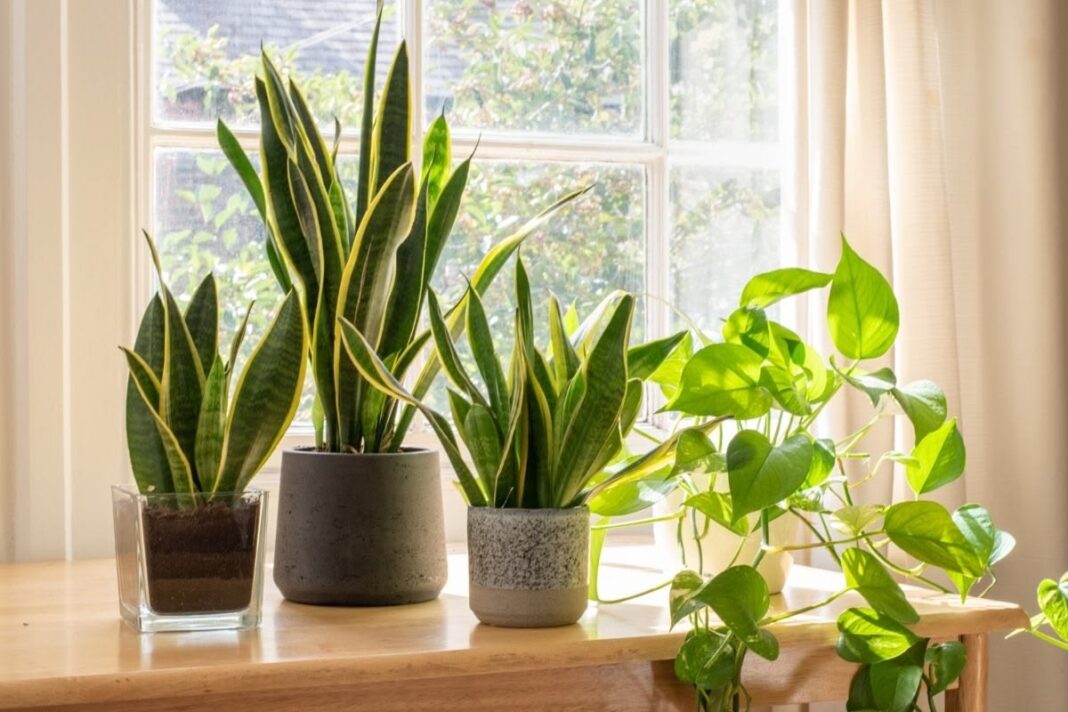


Introduction to Indoor Plants
Indoor plants have long been known for their aesthetic appeal and ability to enhance the decor of a variety of spaces. However, their benefits extend far beyond mere beauty. From purifying the air to fostering mental well-being, the incorporation of plants into indoor environments can profoundly impact health. Studies have demonstrated that various indoor plant species can effectively reduce levels of indoor pollutants, such as formaldehyde, benzene, and carbon monoxide. This air-purifying ability makes them an excellent choice for improving air quality, particularly in urban settings where pollution levels tend to be higher.
Moreover, the presence of indoor plants can contribute to mental wellness by alleviating stress and anxiety levels. Engaging with nature, even indoors, has a calming effect and can promote a sense of serenity. Regular interaction with greenery can boost mood and improve overall emotional health. Furthermore, caring for plants encourages responsibility and mindfulness, offering therapeutic benefits that can enhance daily life.
Beyond health benefits, indoor plants can help regulate humidity levels, which can be particularly beneficial during dry winter months. By maintaining optimal humidity, they can help prevent irritations of the skin, throat, and respiratory tract. Adding plants to your living or working environment is a simple, yet effective way to achieve a healthier atmosphere.
As the trend toward indoor gardening continues to rise, it’s important to consider the type of plants suitable for each space. Selecting the right variety, depending on light exposure and care requirements, can enhance not only the beauty but also the functional advantages of indoor plants. Embracing this green movement can lead to a healthier home and improve quality of life.
The Science Behind Plants and Air Quality
Indoor plants play a crucial role in enhancing the quality of air within our homes, thanks to their remarkable ability to purify and enrich the atmosphere we breathe. This process is deeply rooted in the mechanisms of photosynthesis and transpiration. During photosynthesis, plants absorb carbon dioxide and, in conjunction with sunlight, convert it into oxygen—fundamentally increasing the oxygen levels in enclosed spaces. Common indoor plants, such as pothos, spider plants, and snake plants, excel in this regard due to their physiological characteristics.
During photosynthesis, these plants intake carbon dioxide through tiny openings in their leaves known as stomata. This process not only consumes the carbon dioxide present in the air but also generates oxygen as a byproduct, enriching the indoor environment. Furthermore, the transpiration process aids in regulating humidity levels, which can be beneficial for overall comfort and health. As plants lose water vapor through transpiration, it contributes to a more moisture-rich atmosphere that can alleviate dry conditions that often lead to respiratory issues.
Moreover, many indoor plants possess the ability to filter pollutants. They can absorb harmful substances, such as formaldehyde, benzene, and trichloroethylene, through their leaves and roots. The capabilities of these plants vary, but research indicates that pothos, for instance, is particularly effective at removing airborne toxins. Spider plants are noted for their resilience and effectiveness in removing common VOCs (volatile organic compounds). Similarly, snake plants are not only hardy but also notably improve indoor air quality by converting CO2 into oxygen even at night.
Through understanding these biological processes, one can appreciate the importance of integrating indoor plants into home environments. They not only enhance aesthetic appeal but also significantly contribute to healthier living spaces by actively purifying air and fostering a balanced atmosphere.
Top 5 Indoor Plants for Beginners
Starting an indoor garden can be an enriching experience, especially for those new to plant care. Here, we present a curated selection of five indoor plants that are easy to maintain and can foster a healthier living environment.
1. Snake Plant (Sansevieria): Renowned for its air-purifying qualities, the Snake Plant thrives in a variety of lighting conditions, from low light to bright indirect light. It requires minimal watering, making it an ideal choice for beginners. This hardy plant can remove toxins like formaldehyde and benzene from the air.
2. Pothos (Epipremnum aureum): With its vibrant green leaves and trailing vines, Pothos is not only beautiful but also exceptionally easy to grow. It can adapt to various lighting conditions, though it prefers indirect light. This plant helps to enhance indoor air quality by filtering out pollutants, which contributes to a healthier indoor space.
3. ZZ Plant (Zamioculcas zamiifolia): The ZZ Plant is known for its resilience and ability to thrive on neglect. It can grow in low-light environments and requires infrequent watering—just when the soil is dry. Not only does this plant enhance your home’s aesthetic, but it is also effective in purifying the air, promoting a healthier atmosphere.
4. Spider Plant (Chlorophytum comosum): The Spider Plant is popular among beginners due to its easy care regimen and beautiful green-and-white striped leaves. It flourishes best in indirect sunlight and enjoys evenly moist soil. This plant is known for its air-purifying capabilities, effectively removing harmful substances from the air.
5. Peace Lily (Spathiphyllum): The Peace Lily not only adds elegance to any space with its striking white flowers but also serves as a natural air purifier. It prefers low to medium light and is tolerant of watering inconsistencies, making it easy to care for. Its ability to filter out toxins such as ammonia and formaldehyde makes it a beneficial addition to indoor environments.
These five indoor plants are not only attractive but also contribute significantly to a healthier home, making them suitable choices for beginners looking to start their indoor gardening journey.
Plants for Improving Humidity Levels
Indoor air quality can significantly affect our health and well-being. One crucial aspect of maintaining quality air is ensuring adequate humidity levels, particularly in dry conditions. Several indoor plants not only improve aesthetics but also play a vital role in enhancing humidity. Among these, peace lilies and ferns are notable examples.
Peace lilies (Spathiphyllum) are particularly effective in raising humidity levels. These plants naturally transpire moisture through their leaves, releasing water vapor into the air. This process not only helps to maintain humidity but also can result in improved respiratory health by alleviating dryness in the airways. Peace lilies are also easy to care for, thriving in low light conditions, making them an excellent choice for various indoor settings.
Another plant that significantly contributes to humidity is the fern. Ferns such as the Boston fern (Nephrolepis exaltata) are excellent for indoor environments. They are known for their lush, feathery foliage and their ability to absorb and release moisture effectively. By increasing humidity levels, ferns can help prevent dry skin and respiratory issues, particularly in the colder months when indoor heating can strip away moisture from the air.
Additionally, other plants like spider plants (Chlorophytum comosum) and rubber plants (Ficus elastica), also contribute positively to indoor humidity. The role these plants play in improving moisture levels benefits not only our physical comfort but also creates a more pleasant and inviting atmosphere in our homes.
In conclusion, incorporating indoor plants such as peace lilies and ferns into your home can significantly enhance humidity levels. By doing so, you not only improve respiratory health and skin hydration but also elevate the overall quality of your living environment.
Low Light Indoor Plants for Shady Spaces
Indoor plants have become a vital part of home décor and are increasingly recognized for their ability to enhance indoor air quality. However, many people often worry about the challenges of incorporating greenery into spaces that receive minimal natural light. Fortunately, there are several low light indoor plant varieties that thrive in such shady environments. These plants are not only resilient but also require minimal upkeep.
One of the most popular choices for low light conditions is the ZZ plant (Zamioculcas zamiifolia). Characterized by its glossy, dark green leaves, the ZZ plant can survive in low-light settings for long periods without water, making it perfect for those who may forget regular watering. Another excellent option is the snake plant (Sansevieria), known for its striking upright leaves. This hardy plant tolerates neglect, requiring infrequent watering, and can thrive in a variety of lighting conditions, including dim areas of the home.
The pothos (Epipremnum aureum) is also well-suited for low-light environments. With its cascading vines and heart-shaped leaves, pothos can be an attractive addition to any room. It can adapt to various light levels and can even propagate easily, ensuring your home stays vibrant. Additionally, the peace lily (Spathiphyllum) is another favored low light plant, producing beautiful white blooms even in shaded areas. Its care routine is simple, requiring only weekly watering and occasional misting to maintain humidity.
To ensure the health of these plants, adequate care is essential. While low light plants are forgiving, it is crucial to monitor them for signs of overwatering, such as yellowing leaves. Using well-draining soil and pots with drainage holes can help prevent such issues. Overall, integrating these low light indoor plants into your home can transform dark corners into lively spaces.
Plants for Stress Relief and Mood Enhancement
In recent years, extensive research has indicated a profound connection between indoor plants and mental well-being. Many studies show that the presence of plants within the home can lead to reduced stress levels, elevated moods, and enhanced overall mental health. The calming effects of greenery can illuminate the often-overlooked emotional benefits of incorporating plants into living spaces.
One notable example is the lavender plant, renowned not just for its pleasant aroma but also for its reputed ability to alleviate anxiety and promote relaxation. Its soothing fragrance has been shown to reduce stress, lower heart rates, and improve sleep quality. Having lavender in your home can create a serene environment that fosters a sense of peace, making it an excellent choice for anyone looking to enhance their psychological well-being.
Jasmine is another plant known for its potential mood-boosting effects. Comparatively, the sweet scent of jasmine can elevate mood and even induce feelings of euphoria. Research has demonstrated that when people are exposed to jasmine fragrances, they experience a reduction in anxiety and improved sleep quality, which subsequently enhances overall mental clarity. By encouraging relaxation and restful sleep, jasmine plants can significantly contribute to one’s emotional stability.
The natural presence of indoor plants not only beautifies the home but also contributes to improved air quality, which further supports mental health. Cleaner air can lead to enhanced cognitive function, making it easier to concentrate and stay productive. Integrating these plants into your personal space may pave the way for a less stressful and more uplifting atmosphere.
By thoughtfully selecting and incorporating stress-relief plants like lavender and jasmine, individuals can create an environment that nurtures emotional wellness and enhances their overall quality of life.
Maintenance Tips for Indoor Plants
Caring for indoor plants requires knowledge and attention to detail, enabling them to thrive in an indoor environment. One of the most crucial aspects of plant maintenance is watering. Different plants have varying water needs; therefore, it is essential to establish an optimal watering schedule. A general rule of thumb is to check the top inch of soil—if it feels dry, it is time to water. Always ensure that pots have drainage holes to prevent waterlogged roots, which can lead to root rot.
Selection of the appropriate potting mix is likewise vital for plant health. A high-quality potting soil tailored to the specific needs of your plants will significantly enhance their growth. For instance, succulents typically prefer a mix that drains quickly, whereas tropical plants benefit from a moisture-retentive, organic-rich blend. Regularly repotting plants, ideally every one to two years, can also help rejuvenate their growth by providing fresh nutrients.
Fertilization is another important factor in maintaining healthy indoor plants. Utilizing a balanced, water-soluble fertilizer during the growing season—a period when plants actively photosynthesize—can provide essential nutrients. Generally, feeding plants every 4-6 weeks is advisable, but it is essential to follow the guidelines specific to each plant type.
Pest management is crucial as indoor plants can attract various pests like aphids and spider mites. Regularly inspecting your plants for any signs of pests or disease allows for early intervention. If detected, insecticidal soap or neem oil can be effective treatments, applied as per instructions on the label.
Seasonal care is equally important; adjusting watering and light exposure according to seasonal changes can enhance plant resilience. Plants may require more water during the summer months and less during the dormant winter season. By implementing these maintenance tips, one can effectively cultivate a vibrant indoor garden.
Using Plants in Interior Design
Incorporating indoor plants into interior design has become increasingly popular due to their aesthetic appeal and the positive impact they have on indoor environments. When choosing the right plants for various spaces in your home, it is important to consider factors such as light availability, space size, and overall design theme. By doing so, one can enhance the visual appeal of a room while also promoting a healthier living environment.
In living rooms, larger plants like the fiddle leaf fig or rubber plant can serve as striking focal points. These species often thrive in bright, indirect light and can be placed in decorative pots that complement your furniture and color scheme. Grouping plants of varying heights together can also create an engaging visual display. For a more personalized touch, consider adding trailing plants such as pothos or string of pearls on shelves or hanging from ceiling planters.
In office spaces, selecting plants that can adapt to lower light conditions is crucial. Desk plants such as snake plants or peace lilies not only add a touch of nature to a workspace but can also improve air quality, contributing to a more productive atmosphere. Positioning these plants strategically can enhance your workspace aesthetic while still allowing for functionality.
For bedrooms, it’s advisable to choose calming plants like lavender or jasmine, known for their soothing scents which can promote relaxation. Placing plants on nightstands or window sills where they can receive adequate light while remaining easily accessible is ideal. This not only beautifies the room but can also provide a tranquil environment conducive to restful sleep.
Ultimately, the thoughtful arrangement of indoor plants not only enriches interior design schemes but also fosters a healthier home environment, proving that the integration of greenery can be both beautiful and beneficial.
Conclusion and Encouragement to Start Plant Parenting
Incorporating indoor plants into your home offers numerous benefits that extend beyond mere aesthetics. Research has shown that indoor plants improve air quality by filtering toxins and releasing oxygen. They enhance mood, increase productivity, and reduce stress levels, creating a more pleasant environment. Furthermore, the simple act of caring for plants can be therapeutic, helping to foster mindfulness and providing a satisfying sense of responsibility.
Given these advantages, it is evident that starting your own indoor plant collection can significantly contribute to a healthier living space. As you embark on this journey of plant parenting, consider selecting varieties that suit your lifestyle and home environment. Low-maintenance options like succulents, snake plants, and pothos can be ideal for beginners, requiring minimal care while still offering impressive health benefits.
As you explore the world of indoor gardening, allow yourself the grace to learn and adapt. Each plant has unique needs, and developing your plant care skills will come with time. Engage with fellow plant enthusiasts through online forums or local plant shops to expand your knowledge and find inspiration. Many communities are filled with individuals eager to share tips, tricks, and success stories.
Ultimately, the decision to incorporate indoor plants into your home is not just about beautification; it signifies a commitment to enhancing both your physical and mental well-being. So, take the next step towards creating a more inviting and healthful home environment by nurturing your very own indoor plant collection. Enjoy the journey, and appreciate the harmony that plants can bring into your daily life.