
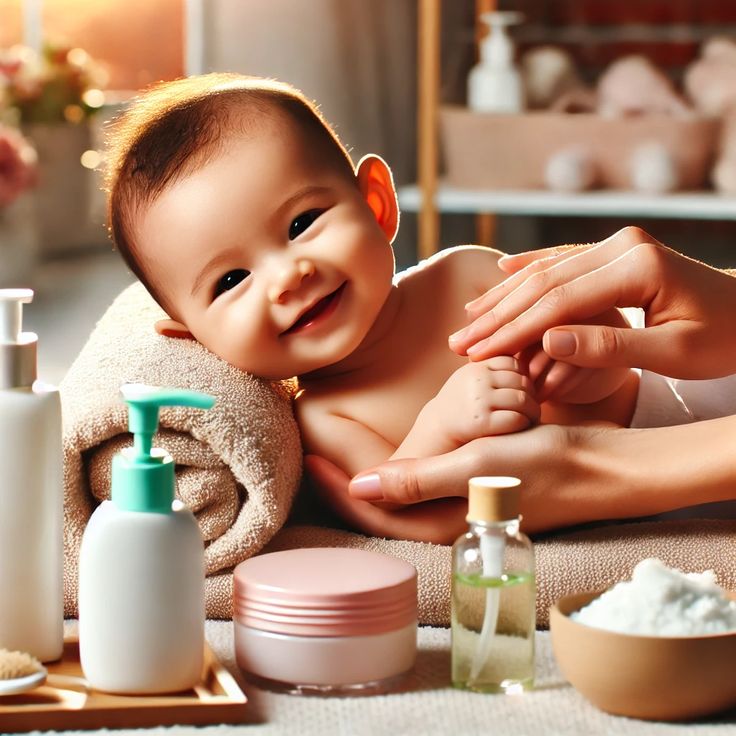


Introduction to Baby Skincare
Establishing a skincare routine for infants is crucial due to the sensitive nature of their skin, which is markedly thinner and more vulnerable to irritation compared to adult skin. From birth, a baby’s skin plays a vital role in protecting their developing body from environmental stressors. Consequently, it is imperative that caregivers understand the unique characteristics of infant skin to ensure its health and well-being.
Baby skin is not only delicate but also prone to conditions such as dryness, rashes, and other irritations. The outer layer of an infant’s skin is less robust than that of adults, making it more susceptible to external factors such as temperature changes, saliva, and even certain fabrics. Hence, a dedicated skincare regimen utilizing appropriate products is essential to maintain skin integrity and promote comfort for the baby.
When selecting skincare products for babies, it is important to choose those that are formulated specifically for their needs. Gentle, hypoallergenic, and fragrance-free products are highly recommended, as many ingredients present in adult formulations may lead to adverse reactions in infants. Products that contain natural and soothing ingredients such as aloe vera, chamomile, and shea butter can be particularly effective, providing hydration and calming effects on the skin.
In light of these considerations, establishing a consistent baby skincare routine is vital. This routine can help prevent skin issues before they arise, ensuring that the baby’s skin remains soft, healthy, and protected from the elements. Parents and caregivers should take the time to educate themselves about proper techniques and ingredients, ensuring that the chosen products contribute positively to the baby’s overall skin health.
Understanding Baby Skin Needs
Baby skin is remarkably delicate, necessitating special attention to ensure its proper care. Unlike adults, infants possess a skin structure that is thinner and more permeable, rendering it particularly vulnerable to environmental factors and irritants. The natural moisture barrier in baby skin is still developing, making it less effective in preventing water loss. Therefore, maintaining adequate hydration through suitable baby skincare products is essential for optimal skin health.
Moreover, baby skin has a pH level that is more acidic than that of adults, which aids in protecting it against bacteria and other pathogens. However, this heightened sensitivity can lead to conditions such as eczema, which affects a sizable percentage of infants. Eczema manifests as dry, itchy patches that can cause significant discomfort. Identifying triggers that exacerbate this condition is crucial; common culprits include harsh soaps, detergents, and even dietary factors for breastfeeding mothers.
Climate also plays a pivotal role in the health of baby skin. In hotter climates, there may be an increased risk of heat rash and sunburn, while colder, dry air can exacerbate dryness and irritation. Parents should consider these environmental factors when developing a baby skincare routine. Additionally, exposure to irritants such as smoke or pollutants can further compromise the integrity of sensitive baby skin.
Understanding these unique characteristics of baby skin fosters the ability to choose products designed specifically for infants, ensuring gentle yet effective care. Selecting hypoallergenic and fragrance-free formulations can alleviate many common skin issues and promote a healthy skin barrier that protects against irritants and promotes overall well-being for the child.
Choosing the Right Products
Finding skincare products that are both safe and effective for your baby can be a daunting task for many new parents. The delicate nature of a baby’s skin requires careful consideration when it comes to selecting the right products. First and foremost, opting for hypoallergenic and fragrance-free options is crucial. Hypoallergenic products are formulated to minimize allergies and skin irritations, making them ideal for sensitive skin. Fragrance-free products help avoid potential irritants that could lead to rashes or discomfort, ensuring that the baby’s skin remains soft and healthy.
When examining ingredient lists, look for natural elements that moisturize and nourish the skin, such as shea butter, coconut oil, and aloe vera. These ingredients tend to be gentle and effective in hydration without introducing harsh chemicals. It is essential to avoid products that contain parabens, sulfates, and synthetic colors, as these can be harmful to your baby’s skin. Additionally, dermatologically tested products can serve as an assurance of their safety.
When it comes to specific product types, consider utilizing a mild baby cleanser for bath time. Gently formulated cleansers free from harsh soaps can effectively remove dirt without stripping the skin of its natural oils. For moisturizing, choose lotions or oils that are specifically designed for babies. A good baby lotion should provide moisture while being easily absorbed into the skin. Oils can also be beneficial, especially for dry patches, but opt for lightweight options to avoid greasiness. Ultimately, selecting the right skincare products demands diligence and a keen understanding of both your baby’s skin type and the ingredients listed. Prioritizing safety will ensure a healthy start for your child’s skincare journey.
Establishing a Daily Skincare Routine
Creating a daily skincare routine for your baby is essential for maintaining soft, healthy skin. A structured approach not only promotes skin health but also fosters bonding time between parent and child during the process. Here’s a step-by-step guide to help you establish an effective routine.
Start with gentle bathing. Ideally, you should bathe your baby two to three times a week, as frequent washing could strip their skin of natural oils. Use lukewarm water to avoid irritation, and opt for a mild baby soap that is free from harsh chemicals or fragrances. During bath time, ensure to support your baby securely and use soft, gentle movements while washing to make this experience pleasant.
After bathing, be sure to pat your baby’s skin dry with a soft towel, rather than rubbing it. This minimizes irritation and helps retain moisture. Once dry, it’s important to apply a moisturizer soon after bath time. A fragrance-free baby lotion or cream is ideal for locking in hydration. Be generous while applying, particularly in areas that tend to be dry, such as the elbows, knees, and cheeks.
Additionally, incorporating sunscreen into your routine is vital if your baby will be exposed to sunlight. Use a baby-safe sunscreen with a minimum SPF of 30, applying it 15 minutes before going outdoors. This is particularly important for the face and any exposed skin to protect against harmful UV rays.
Lastly, make the experience enjoyable. Sing songs or talk to your baby during bath time and apply lotions with gentle, soothing motions. Establishing this positive atmosphere will make your baby look forward to their skincare routine, fostering good habits for the future.
Bathing Essentials for Babies
Establishing a proper bathing routine is a fundamental part of maintaining your baby’s skincare. It is recommended that babies be bathed approximately two to three times a week during the first year of life. This frequency helps to keep the skin clean without stripping it of its natural oils, which are crucial for maintaining healthy skin.
When preparing to bathe your baby, water temperature should be a primary consideration. The ideal temperature is typically lukewarm, around 37°C to 38°C (98.6°F to 100.4°F). To ensure safety, always test the water with your wrist or elbow; it should feel warm, not hot. Additionally, make it a habit to fill the tub with just a few inches of water and never leave a baby unattended during bath time.
Selecting safe bathing products is equally important. Opt for gentle, hypoallergenic baby soaps and shampoos free of fragrances, dyes, and harsh chemicals. Look for products specifically formulated for babies; these will maintain skin hydration without causing irritation. Introducing natural alternatives such as oatmeal or coconut-based soaps can also benefit sensitive skin, providing a soothing effect that can prevent dryness.
To make bath time a calming and enjoyable experience, create a soothing environment. Use soft lighting, and consider playing calming music. Engaging with your baby through gentle splashes or toys during the bath can make the experience enjoyable. Communicating with your baby throughout the process establishes a bond and helps them understand that bath time is a safe and nurturing experience.
In conclusion, establishing a thoughtful bathing routine incorporates safe practices and suitable products, contributing to your baby’s soft and healthy skin. Regular bathing—when done mindfully—will enhance your child’s overall well-being and comfort.
Moisturizing Techniques for Soft Skin
Maintaining soft and healthy skin for your baby is crucial, and a well-structured moisturizing routine is key to preventing dryness. The first step in this routine is to ensure that moisturizers are applied at the right times. Ideally, the best moment to moisturize your baby’s skin is right after a bath, while the skin is still slightly damp. This allows the moisturizer to lock in moisture more effectively, contributing to an overall hydrating effect.
When selecting a moisturizer for infants, it’s essential to choose products that are specifically formulated for delicate skin. Look for hypoallergenic, fragrance-free options that contain natural ingredients such as shea butter, cocoa butter, or glycerin. These ingredients help to retain moisture and provide a barrier against skin irritants. Avoid products with excessive chemicals or fragrances, as they can cause irritation and allergic reactions on a baby’s sensitive skin.
In terms of application techniques, it’s important to follow a gentle and loving touch. Begin by pouring a small amount of moisturizer into your hands and rubbing them together to warm the product slightly. This will help the moisturizer spread more easily across the skin. Using gentle, circular motions, apply the moisturizer on the baby’s skin, paying particular attention to areas that tend to get drier, such as elbows, knees, and the face. Make sure to apply the moisturizer in a thin, even layer without excessive pressure, allowing the product to absorb naturally.
Additionally, consider incorporating a nightly moisturizing routine. Consistent use of a suitable moisturizer will help keep your baby’s skin hydrated and soft, preventing dryness that can lead to discomfort. By following these moisturizing techniques and recommendations, parents can ensure their baby’s skin remains healthy, supple, and well-protected against environmental factors.
Common Skin Issues and Their Solutions
Babies have delicate skin that can be prone to a variety of common issues. Among the most prevalent are diaper rash, cradle cap, and dry skin. Understanding these conditions and their preventive measures is key to maintaining healthy skin for your little one.
Diaper rash is perhaps the most recognizable skin problem among infants. It typically arises due to prolonged exposure to moisture, friction from diapers, or irritants in baby wipes and lotions. Parents can prevent diaper rash by ensuring that the baby’s diaper is changed frequently and by using breathable fabrics. Leaving the baby without a diaper for a short period can allow the skin to dry. If a rash does develop, applying a barrier ointment containing zinc oxide can soothe the skin and protect it from irritants.
Cradle cap, or seborrheic dermatitis, presents itself as yellowish, greasy patches on the scalp. It is caused by overactive glands producing extra oil, and while it is not harmful, it can be concerning for parents. To manage cradle cap, gently massaging the scalp with vegetable oil before shampooing can help loosen the flakes. Using a mild baby shampoo and soft brush during washing can also aid in the removal of scales, contributing to a healthy scalp.
Dry skin is another common issue seen in infants, often appearing as patches or irritation on various body parts. Environmental factors such as dry air or excessive bathing can exacerbate this condition. To combat dry skin, parents should ensure that they bathe their babies with lukewarm water and opt for a mild, fragrance-free cleanser. Following bath time, applying a rich moisturizer while the skin is still damp can lock in moisture effectively.
By proactively addressing these common skin conditions through appropriate care, parents can help ensure their babies maintain soft, healthy skin.
Seasonal Skincare Adjustments
Adjusting a baby’s skincare routine according to the seasons is crucial for maintaining soft and healthy skin. Each season presents its own environmental challenges, from dry, cold air in winter to the intense heat and sun exposure in summer. Parents must be vigilant and proactive in adapting products and practices to ensure optimal skin care for their little ones.
During winter, the air tends to be colder and drier, which can lead to chapped lips, cracking skin, and irritation. To protect your baby’s delicate skin, it is recommended to use a heavier moisturizer that is rich in emollients. Look for creams that contain ingredients like shea butter or ceramides, which provide a barrier to lock in moisture. Additionally, a humidifier in the nursery can help maintain humidity levels, preventing excessive dryness in the air.
Furthermore, it is advisable to dress your baby in layers of soft cotton or wool to ensure their warmth without causing overheating. When going outdoors, apply a protective balm on exposed areas like the face and hands to shield against the harsh elements.
Conversely, summer brings about concerns with heat and sun exposure. Babies’ skin is particularly sensitive, making them susceptible to sunburn even on cloudy days. To protect their skin, utilize a broad-spectrum sunscreen specifically formulated for babies with an SPF of 30 or higher. It is ideal to apply sunscreen 30 minutes before sun exposure and reapply every two hours, especially after swimming or sweating.
In warmer months, it’s also essential to keep skin hydrated by frequently applying a lightweight, hydrating lotion that contains aloe vera or glycerin. Regular baths with gentle cleansers can help refresh the skin and remove sweat, while a sunhat and protective clothing can offer additional shielding from the sun’s harmful rays.
Consulting a Pediatric Dermatologist
Taking care of a baby’s skin is a vital aspect of parenting, and while most skin issues can be treated at home, there are instances where consulting a pediatric dermatologist becomes necessary. Pediatric dermatologists specialize in the diagnosis and treatment of skin conditions in children, and they can provide valuable insights that ensure the health and comfort of your child.
There are several signs that may indicate the need for a professional consultation. Persistent rashes, especially those that do not respond to over-the-counter treatments or home remedies, should be evaluated by a specialist. Skin conditions such as eczema, psoriasis, or severe diaper rash can benefit from expert assessment to determine the underlying cause and appropriate treatment regimen.
Additionally, if your baby experiences unexplained skin irritation, peeling, or redness, it is advisable to seek professional help. Symptoms such as swelling, severe itching, or the presence of blisters or open sores are warning signs that should prompt a visit to a pediatric dermatologist. These specialists possess the skills needed to properly diagnose issues that may be overlooked in a general practice setting.
During a consultation, parents can expect a thorough examination of their child’s skin, medical history assessment, and discussions about the symptoms presented. The dermatologist will take the time to explain possible diagnoses and treatment options available. This may include topical medications, lifestyle adjustments, or recommendations for specific baby skincare products that are gentle and effective.
In conclusion, seeking the expertise of a pediatric dermatologist is essential when faced with complex or persistent skin issues in infants. Their knowledge and experience can provide the necessary guidance to maintain healthy, soft skin for your baby, ensuring both comfort and peace of mind for parents.