
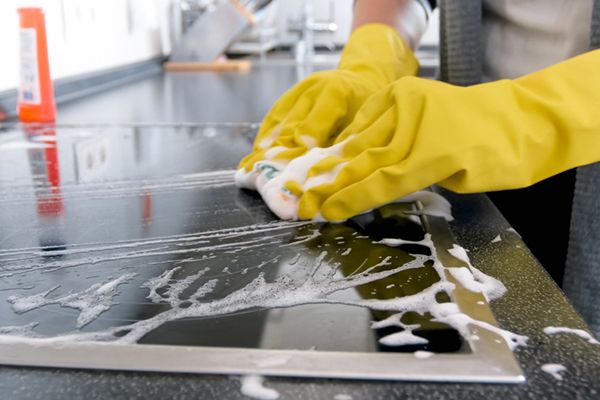


Introduction to Deep Cleaning Your Kitchen
Deep cleaning your kitchen is an essential task that goes beyond the routine maintenance of your cooking space. It involves a thorough scrubbing and sanitization of all surfaces, including cabinets, countertops, appliances, and floors. The significance of deep cleaning your kitchen cannot be overstated, as it offers multiple benefits that can enhance both hygiene and functionality.
One of the primary advantages of deep cleaning is improved hygiene. Kitchens are prone to the accumulation of bacteria and food particles, which, if not properly addressed, can lead to health issues. A comprehensive cleaning regimen not only eliminates these hazards but also ensures the safety and well-being of those who use the kitchen. Regularly deep cleaning your kitchen can significantly reduce the risk of foodborne illnesses, making it a safer environment for cooking and meal preparation.
In addition to hygiene, a clean kitchen promotes a more enjoyable cooking environment. A clutter-free and pristine space can inspire creativity and efficiency while preparing meals. The psychological benefits of a tidy kitchen are numerous; a well-maintained area can alleviate stress and encourage cooking, making the experience more pleasurable. When your kitchen is organized and clean, finding tools and ingredients becomes effortless, allowing you to focus on your culinary creations rather than on cleaning up messes.
Furthermore, deep cleaning enhances the durability of kitchen appliances and surfaces. Over time, grime can build up on appliances, leading to wear and tear that may affect their performance and longevity. By incorporating deep cleaning into your maintenance routine, you not only extend the lifespan of your kitchen equipment but also preserve the aesthetic appeal of your surfaces. Thus, investing time in a deep clean can result in a more efficient and visually appealing kitchen.
Gathering Your Cleaning Supplies
Embarking on a deep cleaning of your kitchen requires thorough preparation, starting with the gathering of essential cleaning supplies. A well-equipped cleaning arsenal not only speeds up the process but also ensures you achieve a spotless and hygienic result.
To begin with, it is vital to have a variety of cleaning agents readily available. Store-bought options can include multi-surface cleaners, degreasers, and disinfectants. However, for those who prefer homemade solutions, vinegar and baking soda are excellent alternatives. Vinegar serves as a natural antibacterial, while baking soda plays a significant role in tackling tough stains and odors.
Next, focus on acquiring the right tools for effective cleaning. Microfiber cloths are invaluable as they trap dirt and dust without scratching surfaces. Additionally, a sturdy scrub brush is essential for tackling stubborn grime, especially in areas like the stovetop and sink. A mop is also a key component for cleaning the kitchen floor, and when paired with a suitable floor cleaner, it can rejuvenate your space significantly. Furthermore, make sure to have a vacuum cleaner or a broom handy to clear debris and crumbs from all corners.
In the pursuit of a cleaner kitchen, opting for eco-friendly products is highly recommended. Many commercial brands now offer green cleaning supplies that minimize environmental impact while still providing effective results. When selecting cleaning tools and products, consider those made from biodegradable materials or which come in recyclable packaging. This not only benefits your kitchen but also contributes positively to the planet.
In conclusion, gathering the right cleaning supplies is an essential step in the deep cleaning process of your kitchen. By carefully selecting both store-bought and homemade options, along with the appropriate tools, you set the stage for a thorough and environmentally conscious cleaning session.
Decluttering Your Kitchen
Before embarking on a thorough kitchen cleaning, it is crucial to first declutter the space. A messy kitchen can hinder the cleaning process and make it more time-consuming. The decluttering process not only paves the way for effective cleaning but also helps in maintaining an organized kitchen in the future. Start by assessing each area of your kitchen, focusing on cabinets, countertops, and the pantry.
Begin with the pantry, as it often harbors outdated or unneeded items. Remove all products from your pantry and check expiration dates. Discard any expired foods and consider donating items that are still good but you know you won’t use. Take this opportunity to categorize your pantry items into groups, such as canned goods, grains, and snacks, making it easier to locate them later.
Next, turn your attention to the refrigerator. Take everything out, discarding any food items that are past their prime. Wipe down the shelves with a mixture of water and vinegar to eliminate spills and odors. Keeping your fridge tidy is vital, as it helps in maintaining food safety and reduces waste.
Finally, deal with your countertops and any small appliances. Remove items that do not belong, and consider which appliances you use frequently. Store away items that are seldom used but take up valuable counter space. A clear countertop not only enhances the aesthetics of your kitchen but also provides ample space for effective deep cleaning.
By decluttering each section of your kitchen, you create an organized environment, setting the stage for comprehensive cleaning. With a clear workspace, the deep cleaning process will be more efficient and manageable, resulting in a fresh, inviting kitchen space.
Cleaning the Appliances
Cleaning kitchen appliances is an essential part of a thorough kitchen deep clean. Effective maintenance of these devices not only enhances their performance but also ensures a hygienic cooking environment. Each appliance requires distinct methods and products for optimal cleaning results.
Refrigerator: Start by emptying the refrigerator, placing perishables in a cooler to keep them fresh. Use a mixture of warm water and mild dish soap to wipe down shelves, walls, and drawers. Pay special attention to any spills or areas with built-up grime, as these can harbor bacteria. For tougher stains, a solution of baking soda and water can be highly effective. Finally, remember to clean the exterior, including the door handles, which can often go overlooked.
Oven: Cleaning the oven can be daunting due to baked-on grease. Many ovens come with a self-cleaning feature, but for those who prefer to do it manually, a paste made from baking soda and water works well. Apply this mixture generously inside the oven, let it sit for several hours, and then scrub with a damp sponge. For the oven door, a glass cleaner or a vinegar solution can restore clarity and shine.
Microwave: The microwave often takes the brunt of food splatters. To clean it, combine water and vinegar in a microwave-safe bowl and heat it for several minutes until steam forms. The steam will loosen food particles, making it easier to wipe down the interior with a damp cloth. For stubborn stains, a baking soda paste can also be used effectively.
Dishwasher: To maintain your dishwasher’s efficiency, start by removing any debris from the drain. Run an empty cycle with a cup of white vinegar placed in a bowl on the top rack to eliminate odors and mineral buildup. After this, a gentle scrub of the interior and seals with a damp cloth helps maintain cleanliness and prevents mold growth.
By taking the time to clean your kitchen appliances thoroughly, you can retain their efficiency and longevity while promoting a healthier cooking environment.
Wiping Down Surfaces and Cabinets
Wiping down surfaces is a critical step in maintaining a clean kitchen. It not only enhances the aesthetic appeal of the space but also contributes to hygiene and food safety. Begin by gathering appropriate cleaning supplies: a mixture of warm water and mild detergent, or specialized cleaners depending on the material of the surfaces. For instance, wooden cabinets typically require a gentle cleaner, while laminate surfaces can handle more robust cleaning agents.
Start with the most frequently used areas, such as countertops and island surfaces. Remove any items from these areas to ensure a thorough cleaning. For stainless steel surfaces, a dedicated stainless-steel cleaner will help eliminate streaks and fingerprints, ensuring a polished finish. Always follow the manufacturer’s instructions for any specific products used to avoid damage to the surfaces.
When cleaning cabinets, take care to follow the grain of the wood if applicable, using a soft cloth to prevent scratches. For painted or laminate surfaces, a damp microfiber cloth is effective in removing dust and grease without harsh chemicals. Be sure to rinse the cloth regularly to avoid redistributing dirt. After wiping down the surfaces, consider disinfecting high-touch areas such as cabinet handles and knobs, as these locations can harbor bacteria.
Do not overlook shelves, particularly those that hold food or spices, as they can accumulate dust and spills over time. Utilize the same cleaning approach, ensuring any spills are addressed immediately to prevent contamination. By maintaining a structured routine for wiping down surfaces and cabinets, not only do you enhance the cleanliness of your kitchen, but you also safeguard your health by minimizing cross-contamination risks. This thorough approach ultimately contributes to a safer environment for food preparation.
Cleaning the Sink and Faucet
A clean and well-maintained kitchen sink and faucet are essential for ensuring a hygienic cooking environment. To begin the cleaning process, it is crucial to gather the necessary supplies. You will need a non-abrasive sponge, an all-purpose cleaner, baking soda, vinegar, and a microfiber cloth.
Start by removing any dishes or debris from the sink. Rinse the sink thoroughly with warm water to loosen any stubborn grime. For stains and mineral deposits, create a paste using baking soda and a small amount of water. Apply this paste to the affected areas and allow it to sit for about 10-15 minutes. Afterward, scrub the sink with your sponge in a circular motion to eliminate any residue. Finally, rinse the sink with warm water to ensure all cleaning agents and debris are washed away.
The faucet can accumulate mineral deposits and bacteria if not cleaned regularly. To clean the faucet, spray an all-purpose cleaner directly onto the faucet’s surface. Wipe it down with a microfiber cloth, focusing on areas around the handles and spout. For stubborn deposits, soak a cloth in vinegar and wrap it around the affected area, leaving it for about an hour before scrubbing and rinsing it off. This method effectively removes hard water stains and helps in keeping the faucet sparkling.
Maintaining a clean sink and faucet is vital to prevent bacteria buildup and mineral deposition. Regularly inspect these areas for any signs of staining or wear. To sustain cleanliness, consider wiping down the sink and faucet with a soft cloth after each use. Using a mixture of vinegar and water once a week as a preventative measure can help keep these surfaces shining and in pristine condition.
Deep Cleaning the Floors
The kitchen floor endures significant wear and tear, being subjected to spills, food debris, and general foot traffic. Consequently, it is imperative to deep clean the floors regularly to maintain hygiene and aesthetics. Various flooring types necessitate specific cleaning methods to ensure effective maintenance and prolonged longevity.
Tile floors are among the most common in kitchens due to their durability and ease of cleaning. For tile surfaces, start by sweeping or vacuuming to eliminate loose dirt and crumbs. Following this, a mop with a mixture of warm water and a few drops of dish soap is highly effective for deeper cleaning. Pay special attention to grout lines, as they can accumulate grime over time; a brush with stiff bristles can be used for scrubbing these areas.
Hardwood floors, while aesthetically pleasing, require a different approach. It is vital to use a cleaner specifically designed for hardwood to prevent damage. Begin the process by sweeping or vacuuming to remove debris. Afterward, use a microfiber mop dampened with the hardwood cleaner, ensuring that excess water is not left on the surface, which can lead to warping.
For laminate flooring, the cleaning method is similar to that of hardwood. Sweeping or vacuuming is essential to prepare the surface. A damp mop with a laminate floor cleaner allows for the removal of stubborn stains without causing damage. Avoid using excessive water, as laminate can be sensitive to moisture, which might penetrate the seams.
Regardless of the flooring type, special attention should be devoted to corners and hard-to-reach areas. These zones often harbor dirt and bacteria that can affect the overall cleanliness of the kitchen. Utilizing tools such as small brushes or vacuums with attachments can help ensure these areas do not go overlooked. Maintaining clean kitchen floors not only enhances the kitchen’s appearance but also promotes a healthier cooking environment.
Finishing Touches: Light Fixtures and Walls
Deep cleaning your kitchen can bring a new level of cleanliness and organization, yet the process often overlooks light fixtures and walls. These areas gather dust and grime over time, contributing to an overall unkempt appearance. To ensure that your kitchen shines brightly and looks its best, cleaning these often-ignored surfaces is essential.
Start with the light fixtures. First, ensure your safety by turning off the power at the circuit breaker or switching off the fixture. This precaution is essential before cleaning, especially if you are dealing with ceiling-mounted lights. Remove any detachable parts such as shades or bulbs, and wash them with warm soapy water. For glass fixtures, consider using a mixture of vinegar and water to achieve a streak-free shine. A microfiber cloth or sponge will help gently remove any dust or fingerprints without scratching the surface.
Next, check the bulbs. If any are flickering or burnt out, it’s the perfect opportunity to replace them. Installing energy-efficient LED bulbs not only enhances visibility but also helps reduce energy consumption over time.
Turning your attention to the walls, identify areas that may have accumulated grease splatters, stains, or dust. Start by dusting the walls with a dry cloth or a duster. For tougher stains, use a cleaning solution made from a mix of warm water and mild dish soap. Avoid abrasive cleaners, as these can damage paint finishes. A soft sponge or cloth can aid in gently scrubbing the affected surfaces.
Don’t forget to inspect walls for any maintenance needs, such as paint chips. Touching up paint not only refreshes the appearance but also protects underlying surfaces from moisture and dirt buildup. With these finishing touches, your kitchen will exude cleanliness and appeal, making it a pleasant environment for cooking and gathering.
Maintaining a Clean Kitchen Post-Clean
Once you have completed a thorough deep clean of your kitchen, implementing strategies to maintain that level of cleanliness becomes crucial. A clean kitchen not only enhances aesthetics but also promotes a healthier environment. To achieve this, consider establishing a routine that includes daily, weekly, and monthly cleaning tasks.
For daily maintenance, focus on quick cleaning tasks that can be easily integrated into your cooking routine. Wipe down counters and stovetops after each use to prevent the buildup of grime. Additionally, ensure dishes are washed or loaded into the dishwasher promptly to avoid clutter. Sweeping the floor daily helps in keeping dust and crumbs at bay, thereby maintaining a tidy kitchen.
On a weekly basis, allocate time for tasks that require more attention but are not overly cumbersome. Use this time to clean out the refrigerator, removing expired items and wiping down shelves. Consider mopping the floor to eliminate stains and deeper dirt that sweeping might miss. You may also want to dust surfaces like light fixtures and cabinet tops, ensuring that every corner remains clean and dust-free.
Monthly cleaning activities should include more intensive tasks, such as cleaning the oven and the dishwasher or organizing pantry items. This not only preserves the freshness of your kitchen environment but also extends the lifespan of your appliances. A well-organized pantry allows for better inventory management, minimizing waste and saving you time during meal preparation.
By planning a cleaning schedule that encompasses daily, weekly, and monthly tasks, you can significantly reduce the effort needed for your next deep clean. Regularly maintain your kitchen and view cleaning not as a chore but rather as an integral part of your kitchen routine. Fostering this habit will help ensure a consistently clean kitchen, making cooking a more enjoyable experience.