
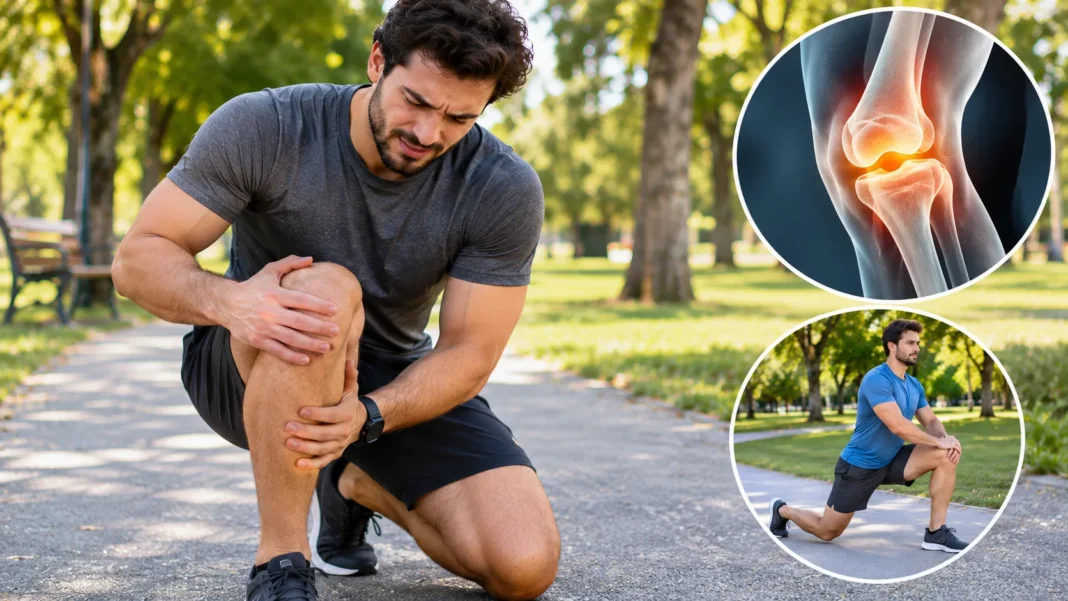


Knee popping when walking is a common experience that can happen to people of different ages and activity levels. You might notice clicking, cracking, or popping sounds while taking steps, climbing stairs, or bending your legs. These noises can feel concerning, especially when they appear unexpectedly. However, knee sounds do not always indicate an injury or serious joint problem.
The knee is a complex joint containing bones, cartilage, ligaments, tendons, and fluid that support smooth movement. Sometimes, natural changes in pressure or the movement of surrounding tissues create noticeable sounds. In other situations, knee popping may occur alongside pain, swelling, stiffness, or other symptoms that require medical attention.
Understanding knee popping when walking can help you recognize normal joint noises and identify potential warning signs. This guide explains common causes, the role of walking form, the benefits of comfortable movement, and practical ways to support knee health.
What Is Knee Popping When Walking?
Knee popping refers to clicking, cracking, snapping, or popping sounds that occur during movement. Healthcare professionals often use the term crepitus to describe certain joint noises or sensations. These sounds may occur when you straighten your knee, bend your leg, or walk across different surfaces. Their meaning depends on whether they happen with pain or other symptoms.
The knee connects the thighbone, shinbone, and kneecap through a system of cartilage, ligaments, and supporting tissues. These structures work together to provide stability and allow comfortable movement. As the joint changes position, different tissues move and interact. This process can sometimes produce sounds without causing damage or interfering with normal activity.
Occasional painless knee popping is often harmless, particularly when the joint moves normally. However, repeated popping accompanied by swelling, pain, locking, or instability deserves medical evaluation. The sound alone cannot reliably identify the cause. Understanding the symptoms that accompany knee noises is more useful than judging joint health by how loudly a knee pops.
Common Causes of Knee Popping While Walking
Several normal and medical processes can cause knee popping during everyday movement. Changes in pressure within joint fluid may contribute to some cracking or popping sounds. Tendons and other soft tissues can also move across nearby structures as the knee bends. These movements may create noticeable clicking without indicating an injury.
Cartilage changes can sometimes contribute to grinding or crackling sensations around the knee. As cartilage surfaces become irregular, joint movement may produce additional noise. However, knee crepitus does not automatically mean someone has arthritis or damaged cartilage. Many individuals experience joint sounds without significant pain or limitations.
Injuries involving the meniscus, ligaments, or surrounding tissues can also cause popping sensations. These problems are more concerning when symptoms begin after a fall, sudden twist, or other injury. Pain, swelling, or difficulty bearing weight may accompany the sound. A healthcare professional can examine the knee and determine whether further investigation is appropriate.
Is Knee Popping Without Pain Normal?
Painless knee popping is common and does not necessarily indicate a medical problem. Some people notice sounds during routine activities while maintaining full movement and comfortable walking. The noise may come and go depending on joint position or activity. When there are no additional symptoms, treatment is often unnecessary.
Normal joint sounds can become more noticeable when you start paying attention to them. Repeatedly checking whether the knee pops may increase concern without revealing useful information. The important factors are comfort, stability, range of motion, and the ability to perform everyday activities. A knee that occasionally clicks while functioning normally may not require special intervention.
However, the absence of pain does not explain every possible cause of joint noise. A persistent change following an injury or the development of new movement problems should be assessed. If the knee catches, locks, or feels unstable, seek professional advice even when pain is limited. Medical evaluation can help identify problems that ordinary observation cannot confirm.
Knee Popping With Pain: What Could It Mean?
Knee popping accompanied by pain may indicate irritation or injury involving the joint or surrounding tissues. Conditions affecting cartilage, tendons, ligaments, or the meniscus can sometimes produce these symptoms. The discomfort may appear around the kneecap, along the joint line, or deeper inside the knee. Location and symptom patterns help guide medical assessment.
For example, patellofemoral pain can cause discomfort around the front of the knee during certain activities. Some people also experience grinding or clicking sensations when bending or straightening the joint. However, the presence of these symptoms does not establish a diagnosis. Different knee conditions can produce similar experiences and require individual evaluation.
A sudden pop during an injury followed by swelling, instability, or difficulty walking is more concerning than occasional painless clicking. These symptoms may indicate damage to supporting structures. Avoid forcing movement through significant pain or repeatedly testing the affected knee. Prompt assessment can help determine appropriate treatment and prevent unnecessary complications.
Does Knee Popping Have Any Health Benefits?
Knee popping itself does not provide a proven health benefit. The sound is generally a result of normal joint mechanics or changes involving surrounding tissues rather than a helpful physical process. A popping sound does not mean that the joint is becoming stronger, healthier, or more flexible. There is no need to deliberately produce knee noises.
However, comfortable walking offers several important benefits for overall health. Regular walking supports cardiovascular fitness, helps maintain mobility, and encourages the muscles around the knees to remain active. It can also support general well-being and everyday independence. These benefits come from the physical activity itself, not from the popping sounds that sometimes accompany movement.
People with painless knee clicking can often continue their usual walking activities without making major changes. The key is paying attention to comfort, stability, and any changes in symptoms. Avoid assuming that every joint sound requires rest or treatment. Maintaining enjoyable physical activity is often more beneficial than restricting normal movement because of harmless noises.
How Proper Walking Form Supports Knee Health
Walking form can influence how forces move through the knees, hips, ankles, and feet. A comfortable, natural walking pattern allows different joints and muscles to share the demands of movement. Good posture can support balance and reduce unnecessary strain. However, there is no single walking style that prevents every knee problem or eliminates popping sounds.
During walking, keep your head comfortably upright and allow your shoulders to remain relaxed. Let your arms swing naturally while taking steps that feel comfortable for your body. Avoid deliberately exaggerating your stride or forcing your knees into unusual positions. Natural movement is generally more sustainable than trying to maintain a rigid posture throughout every walk.
Foot placement should also feel comfortable rather than overly controlled. Allow your feet to contact the ground naturally and move forward at a manageable pace. If walking causes persistent pain or unusual movement patterns, a physical therapist can assess your gait. Professional guidance may be useful when symptoms affect balance, comfort, or everyday mobility.
Can Strengthening Exercises Reduce Knee Popping?
Strengthening the muscles surrounding the knee can help support joint function and movement. The quadriceps, hamstrings, glutes, and calf muscles contribute to stability during walking and other activities. Improving muscle strength may reduce discomfort associated with certain knee conditions. However, strengthening exercises do not guarantee that harmless clicking or cracking sounds will disappear.
Gentle exercises such as supported sit-to-stands and comfortable leg movements may help maintain muscular function. The most appropriate activities depend on your physical abilities and whether you have an existing knee problem. Exercises should feel controlled and should not create sharp or worsening pain. A healthcare professional can recommend suitable movements when symptoms are present.
Flexibility and mobility are also important parts of comfortable movement. Gentle stretching may help maintain normal movement in muscles surrounding the hips and legs. However, forcing a stretch or repeatedly bending the knee to make it pop is unnecessary. A balanced exercise routine should support strength, coordination, and comfortable movement rather than focus entirely on joint sounds.
Best Practices for Walking With Popping Knees
If your knees pop without pain, you may be able to continue walking normally. Start with routes and activities that feel comfortable, particularly if you have recently become more active. Pay attention to your overall movement rather than listening for every clicking sound. Regular, manageable activity can support physical fitness without requiring you to ignore discomfort.
Walking surfaces can influence how demanding an activity feels. Smooth, even paths may be more comfortable for people experiencing joint irritation or balance difficulties. Steep hills and uneven ground can place different demands on the legs. Choose environments that match your abilities and adjust your activities when symptoms suggest that additional recovery is necessary.
Rest and recovery also contribute to maintaining healthy activity habits. If a particular walk causes persistent soreness or swelling, reduce the activity and seek guidance if symptoms continue. Avoid pushing through significant discomfort simply to complete a planned distance. Gradual, comfortable movement is usually more useful than repeatedly exceeding your current physical capacity.
Does Footwear Affect Knee Popping When Walking?
Footwear can influence comfort, stability, and how the feet interact with the ground. Shoes that fit properly may help support enjoyable walking and reduce avoidable discomfort. However, there is limited evidence that a particular shoe design can consistently stop knee popping. Joint sounds can occur even when footwear is comfortable and appropriate.
When selecting walking shoes, consider fit, comfort, traction, and the surfaces you typically use. Shoes should allow natural foot movement without causing rubbing or unnecessary pressure. The most expensive option is not automatically the most suitable. Personal comfort and individual needs matter more than marketing claims about correcting knee alignment or eliminating joint noises.
If knee pain develops alongside changes in walking comfort, footwear may be one factor worth discussing with a professional. A physical therapist or qualified clinician can assess whether movement patterns or other issues contribute to symptoms. Special insoles are not necessary for everyone. Footwear decisions should focus on individual comfort and functional needs rather than popping sounds alone.
How to Manage Knee Popping at Home
Managing knee popping begins with identifying whether the sound occurs alongside discomfort or movement problems. Occasional painless clicking generally does not require medication, special equipment, or treatment. Continuing comfortable everyday movement may be appropriate. Avoid repeatedly twisting or manipulating the knee in an attempt to reproduce or eliminate the sound.
If mild discomfort follows increased activity, temporary adjustments may help. Reducing activities that aggravate symptoms and allowing appropriate recovery can prevent additional irritation. Some people find a wrapped cold pack temporarily soothing when swelling or soreness occurs. Always protect the skin from direct cold exposure and follow medical instructions after an injury.
Persistent symptoms deserve professional assessment rather than repeated attempts at home treatment. Pain medication, braces, or supportive equipment should not be used automatically simply because a knee makes noise. Their usefulness depends on the underlying condition. Understanding the cause of discomfort helps ensure that treatment supports recovery instead of masking an important problem.
When Should You See a Doctor for Knee Popping?
Medical assessment is recommended when knee popping occurs with persistent pain, swelling, stiffness, or difficulty walking. These symptoms may suggest irritation, injury, or another joint condition requiring attention. A doctor can review your medical history and examine knee movement. Additional investigations may be considered when examination findings suggest a structural problem.
Seek urgent medical care if a sudden injury causes a pop followed by significant swelling, visible deformity, severe pain, or an inability to bear weight. A knee that becomes locked or feels seriously unstable also requires prompt evaluation. Fever with a hot, swollen joint can indicate a medical emergency. These symptoms should not be treated as ordinary joint clicking.
During an appointment, describe when the popping began and whether it occurs during particular activities. Mention any previous injuries, recent changes in activity, or symptoms affecting mobility. These details help clinicians identify possible causes. Appropriate evaluation can provide reassurance when sounds are harmless and guide treatment when an underlying condition is present.
Conclusion
Knee popping when walking is common and often occurs without a serious underlying problem. Normal tissue movement, changes in joint pressure, and cartilage-related factors can produce clicking or cracking sounds. Painless noises generally require less concern than popping accompanied by discomfort or instability. Understanding these differences helps people respond appropriately.
The most useful approach focuses on comfortable movement, appropriate physical activity, and maintaining joint function. Regular walking and suitable strengthening exercises can support overall mobility, although they may not eliminate knee sounds. Proper walking form and comfortable footwear may also improve everyday movement. Knee popping itself does not offer proven health benefits.
If popping occurs alongside persistent pain, swelling, locking, or difficulty walking, seek medical advice. Sudden symptoms following an injury may require urgent attention. Instead of focusing exclusively on joint sounds, pay attention to how your knees feel and function. A balanced approach can support active living while helping you recognize symptoms that deserve professional care.
Frequently Asked Questions
Is Knee Popping When Walking Normal?
Yes, occasional knee popping without pain or swelling is common and often harmless. However, clicking accompanied by discomfort, locking, instability, or movement difficulties should be evaluated by a healthcare professional.
Can Walking Help Reduce Knee Popping?
Walking supports joint mobility and muscle activity, but it does not necessarily eliminate knee popping. Comfortable, regular movement can be beneficial when clicking occurs without pain or other concerning symptoms.
What Causes Knee Popping Without Pain?
Painless popping may result from joint pressure changes or tendons and other tissues moving around the knee. These sounds do not automatically indicate cartilage damage or arthritis.
Should I Stop Walking if My Knee Pops?
You generally do not need to stop walking because of occasional painless popping. However, pause the activity and seek appropriate medical advice if you experience significant pain, swelling, instability, or difficulty moving.
What Exercises Help With Popping Knees?
Appropriate strengthening and mobility exercises can support knee function, particularly when guided by a qualified professional. However, exercises cannot guarantee that harmless joint sounds will disappear.