
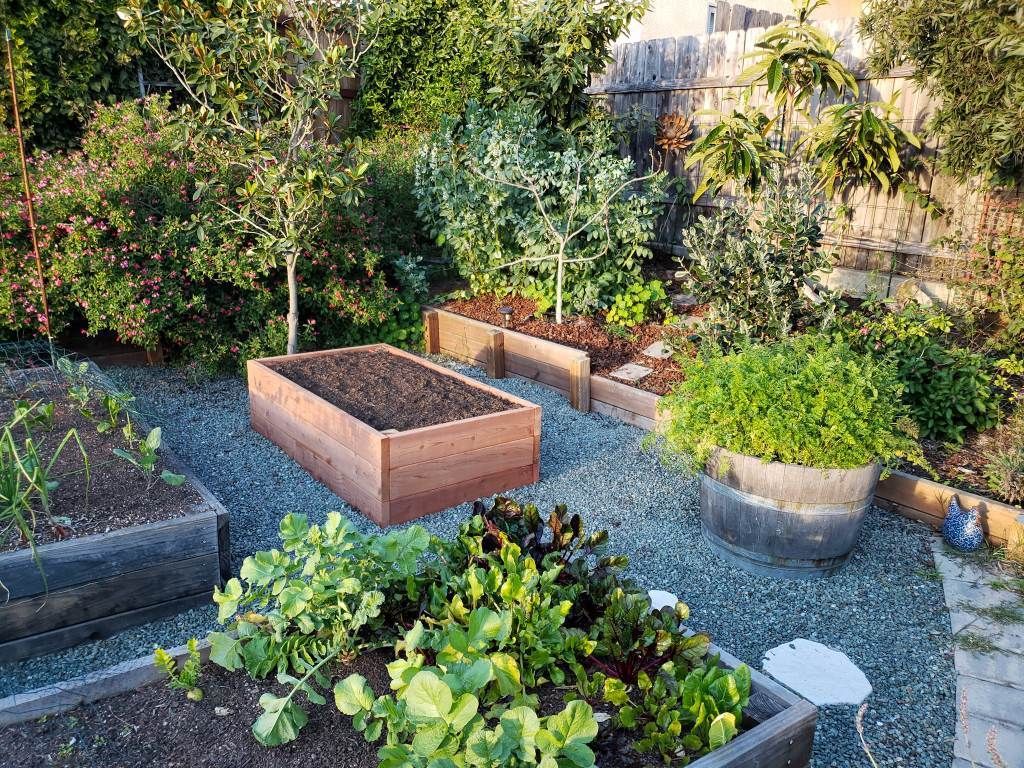


Cultivating an abundant harvest of crisp lettuce, tender peas, and sun-ripened tomatoes does not require acres of tillable farmland. Raised bed vegetable gardening transforms food production by elevating growing zones above poor native soils, optimizing drainage, and concentrating root development in rich organic mixes. By building contained garden frameworks, homeowners can extend their spring growing seasons, eliminate back-straining bending, and quadruple yields per square foot through intensive companion arrangements.
Structural Planning and Bed Dimensions
The architectural footprint of a raised bed garden directly influences daily maintenance convenience and long-term crop productivity.
Optimal Widths, Lengths, and Heights
When planning bed dimensions, reachability reigns supreme. Beds should never exceed four feet in width; this ensures an adult can comfortably reach the center of the bed from either side without stepping onto the soil and compacting delicate root zones. Length can run as long as the landscape accommodates, though eight to twelve feet offers structural stability without requiring excessive internal bracing. While eight inches of depth accommodates shallow greens, constructing beds fourteen to twenty-four inches tall provides ample room for deep root crops while reducing physical strain during weeding.
Material Choices: Wood, Masonry, and Metal
Selecting building materials requires balancing durability against environmental safety. Naturally rot-resistant cedar and redwood remain classic timber choices that last for over a decade without chemical preservatives. Alternatively, modern corrugated galvanized steel beds have surged in popularity, delivering crisp industrial lines and decades of rust-free performance. Avoid using vintage railroad ties treated with creosote, which can leach toxic chemical compounds directly into edible root zones.
Pathways and Accessibility Considerations
Leave generous spaces between individual garden beds. Walkways should measure thirty-six inches wide to allow easy maneuvering of loaded wheelbarrows, garden hoses, and harvest baskets. Surfacing pathways with wood chips or crushed gravel suppresses surrounding weeds and provides dry, mud-free footing during early spring rains.
Crafting the Ultimate Raised Bed Soil Recipe
The true advantage of an elevated garden framework is the ability to bypass heavy clay or sterile sand in favor of an optimized, nutrient-rich growing blend.
The Proven Balanced Growing Blend
Never fill an elevated garden bed with dense native topsoil dug up from the lawn; field dirt packs tightly within wooden sidewalls, strangling roots and stopping drainage. Instead, mix a custom blend following the classic formula:
- One-third coarse horticultural vermiculite or perlite for aeration and moisture distribution.
- One-third screened sphagnum peat moss or shredded coconut coir to provide airy bulk and water-holding capacity.
- One-third blended organic compost composed of diverse sources like aged steer manure, mushroom compost, and green waste to deliver a broad spectrum of minerals.
Incorporating Dense Mineral Nutrients
Supplement the primary soil base with slow-release organic amendments. Incorporating bone meal provides slow-release phosphorus to fuel root development, while kelp meal delivers essential micronutrients and trace minerals harvested from ocean waters. A dusting of agricultural gypsum supplies bioavailable calcium, preventing blossom end rot on heavy-feeding nightshade crops like peppers and heirloom tomatoes.
Layering the Base with Woody Biomass
For raised beds over eighteen inches tall, filling the entire volume with refined compost blends can prove costly. Utilize the traditional hugelkultur method by laying untreated hardwood logs, thick branches, and autumn leaves into the bottom third of the container. As this subterranean wood slowly decays over several seasons, it acts as a moisture reservoir, feeds beneficial fungal networks, and generates gentle warmth that helps jumpstart early spring root growth.
Intensive Planting Strategies for Elevated Beds
Space inside a raised box is valuable real estate. Deploying smart spatial strategies maximizes harvest volume across every square foot.
The Square Foot Gardening Method
Divide bed surfaces into an imaginary one-foot grid using thin bamboo stakes or string. Rather than sowing seeds in wide single rows that leave large swaths of empty dirt, plant crops in high-density grids based on mature plant sizes. A single square foot accommodates one large tomato plant, four heads of crisp romaine lettuce, nine bush bean plants, or sixteen sweet carrots.
Vertical Trellising Solutions
Directing climbing crops upward frees up substantial surface space for leafy understory greens. Secure sturdy cattle panel trellises to the north side of the frame so tall vegetation does not cast shadows across smaller companion crops. Train pole beans, vining cucumbers, and winter squashes up these vertical wire frameworks. Hanging fruit stays clean, receives superior airflow that discourages powdery mildew, and simplifies harvesting.
Irrigation and Moisture Management
Because raised beds drain exceptionally well, their soil dries out faster than native in-ground plots during dry summer periods.
Drip Irrigation Grid Installation
Overhead sprinkler nozzles waste water through wind drift and wet plant foliage, inviting fungal blight. Install a low-volume drip irrigation grid fitted with inline pressure-compensating emitters spaced every six inches. Connecting this network to an automated battery-operated timer ensures crops receive consistent hydration in the cool morning hours before midday heat arrives.
Mulching Elevated Surfaces
Covering exposed soil surfaces with a two-inch layer of clean wheat straw, shredded leaves, or wood shavings blocks water evaporation and stops weed seeds from sprouting. Sourcing bagged mulch in Herriman provides an easy, clean solution for sealing raised bed surfaces against hot sun while preventing splash-back contamination that carries fungal spores from the soil onto lower tomato foliage.