
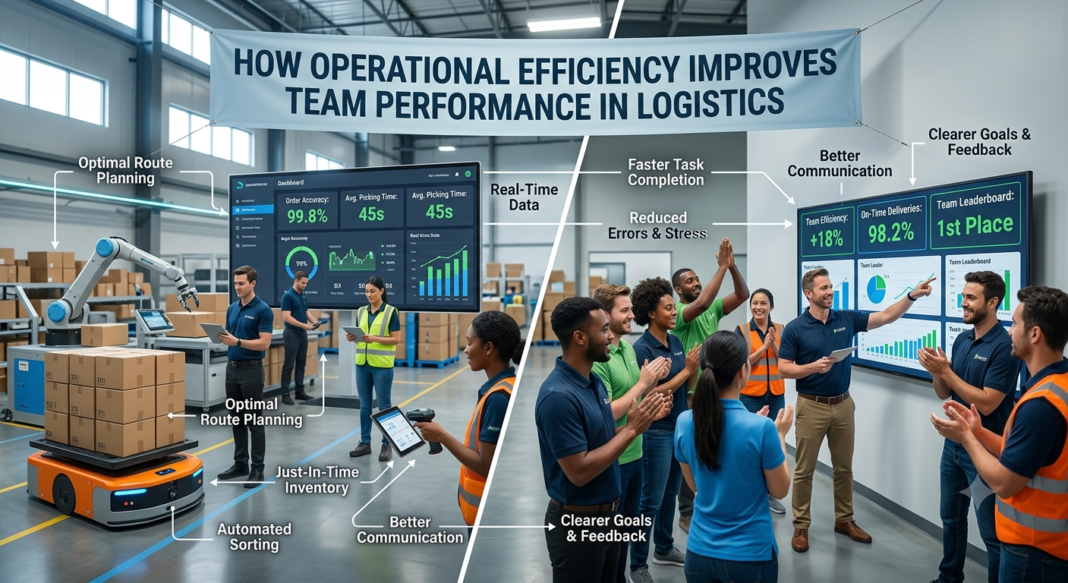


Operational efficiency is often viewed through the lens of cost savings and productivity, but its impact extends far beyond that. In logistics, efficient operations create an environment where teams can work more effectively, communicate more clearly, and deliver consistent results. As supply chains become increasingly complex, businesses that streamline their logistics processes are better positioned to improve collaboration while meeting growing customer expectations.
Modern freight management software helps logistics teams coordinate shipments, monitor freight movement, and simplify documentation through integrated freight forwarding solutions. By improving visibility across the shipping process, organizations can reduce manual tasks and give employees the information they need to make faster, more informed decisions.
Efficient Logistics Starts with Connected Teams
Every shipment involves multiple stakeholders, from warehouse personnel and dispatchers to freight coordinators and customers. When information is scattered across emails, spreadsheets, or paper records, communication gaps can develop that slow operations and create unnecessary confusion.
Efficient logistics depends on providing every team member with access to accurate, real-time information. This reduces duplicated work, minimizes misunderstandings, and allows departments to coordinate more effectively throughout the shipment lifecycle.
As freight volumes increase, having standardized workflows becomes essential for maintaining service quality and operational consistency.
Operational efficiency is not just about moving freight faster. It is about giving every team the visibility needed to work together effectively.
How Manual Processes Affect Team Performance
Many logistics businesses continue to rely on manual processes that create unnecessary administrative work and increase the likelihood of errors.
Common operational challenges include:
| Operational Challenge | Impact on Teams |
| Manual shipment updates | Time spent entering duplicate information |
| Disconnected communication | Delayed responses between departments |
| Paper documentation | Slower processing and increased errors |
| Limited shipment visibility | Difficulty resolving customer inquiries |
| Inconsistent workflows | Reduced operational efficiency |
When employees spend more time searching for shipment information than managing freight, productivity declines across the organization.
These inefficiencies can also affect customer service, as delayed updates make it harder to provide accurate delivery information.
How Freight Management Software Supports Better Collaboration
Freight Management Software centralizes shipment information on a single platform accessible to authorized users throughout the logistics operation.
Instead of relying on multiple disconnected systems, teams can monitor freight status, manage documentation, and coordinate shipment activities from one location.
Core capabilities often include:
- Real-time shipment tracking
- Centralized freight documentation
- Automated shipment updates
- Delivery status visibility
- Reporting and performance analytics
- Secure audit records
These features reduce repetitive administrative work while improving communication between logistics teams, carriers, and customers.
By making shipment information readily available, businesses can respond more quickly to operational changes and customer requests.
Greater Visibility Improves Decision Making
One of the biggest advantages of digital freight management is increased operational visibility.
Managers can monitor shipment progress, identify delays, track performance metrics, and allocate resources more effectively using accurate, real-time information.
This visibility supports faster decision-making while helping teams prioritize workloads during busy periods.
Rather than reacting to issues after they occur, businesses can identify potential disruptions early and take corrective action before service levels are affected.
When teams have access to accurate shipment data, they spend less time solving problems and more time delivering value.
Building a More Productive Logistics Operation
Operational efficiency is built on consistency. Standardized workflows reduce uncertainty while helping employees complete routine tasks with greater accuracy.
Businesses that digitize freight operations often experience improvements such as:
- Faster shipment processing
- Improved communication across departments
- Reduced administrative workload
- Better shipment visibility
- More accurate reporting
- Stronger customer service
These improvements not only enhance daily operations but also create a more productive working environment where teams can focus on higher-value activities.
As logistics networks expand, maintaining consistent processes becomes increasingly important for supporting sustainable growth.
Choosing Technology That Supports Growth
As freight volumes continue to increase, organizations should evaluate Freight Management Software that supports both current operational needs and future expansion.
Key capabilities to consider include:
| Feature | Business Benefit |
| Real-time shipment tracking | Improved operational visibility |
| Automated workflow management | Reduced manual administration |
| Centralized documentation | Faster information access |
| Performance reporting | Better operational insights |
| User access controls | Improved accountability |
| Scalable platform | Supports business growth |
Choosing the right technology allows logistics businesses to improve efficiency while creating a stronger foundation for collaboration and long-term performance.
Final Thoughts
Operational efficiency has a direct influence on team performance throughout the logistics industry. When employees have access to accurate information, standardized workflows, and greater shipment visibility, they can work more efficiently while delivering better service to customers.
Freight management systems provide the tools needed to simplify freight operations, improve communication, and support informed decision making across every stage of the shipping process. As logistics operations continue to evolve, businesses that invest in smarter freight management will be better equipped to build productive teams, improve operational performance, and maintain a competitive advantage.