
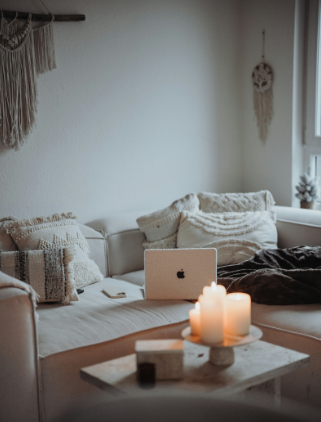


Understanding Minimalism
The philosophy of minimalism transcends mere aesthetics and delves deeply into a lifestyle change that champions simplicity and functionality. At its core, minimalism is about stripping down to the essentials, thus creating spaces that not only breathe tranquility but also foster a sense of purpose. It encourages individuals to carefully select what they incorporate into their living space and how those items serve a function, eliminating any unnecessary clutter.
In terms of design, a minimalist approach often leads to clean lines, neutral colors, and the strategic use of space. However, it is crucial to note that minimalism does not equate to devoid spaces; instead, it promotes a harmonious balance between beauty and utility. Each element within the space should hold significance—be it a piece of furniture, artwork, or decorative item. When thoughtfully chosen, these elements work together to create an inviting atmosphere that feels less like a stark void and more like a personalized sanctuary.
Additionally, embracing minimalism in one’s lifestyle can enhance overall well-being, allowing for less distraction and more clarity. By focusing on fewer, but more meaningful, possessions, individuals tend to experience reduced stress and a greater appreciation for what they have. This principle can translate into everyday practices, from decluttering physical spaces to adopting a mindset that prioritizes quality over quantity. Ultimately, understanding minimalism encompasses not just the concepts of design but also a broader philosophy that elevates living environments into serene yet functional spaces.
Choosing a Color Palette
A cohesive color palette plays a crucial role in creating a cozy minimalist living room. When selecting colors for this serene space, prioritizing warmth and tranquility can significantly contribute to a more inviting atmosphere. Neutral tones are often considered the foundation of minimalist design, offering versatility while allowing other design elements, such as furniture and decor, to shine. Shades like soft beige, light gray, or taupe can establish a calming backdrop.
Incorporating soft pastels into the color scheme can enhance the cozy ambiance. Pastel shades of blue, blush pink, or mint green can interject subtle sophistication without overpowering the minimalist aesthetic. These colors can be used for accent walls, decorative cushions, or art pieces, adding a refreshing touch that evokes feelings of comfort and relaxation.
Accent colors also play a pivotal role in achieving balance in the color palette. While sticking to a primarily neutral and pastel theme, introducing small bursts of bolder colors can create focal points within the space. Consider using deep blues or warm earthy tones as accent colors through furniture, rugs, or throw blankets. These contrasting hues can help to enrich the overall atmosphere of the living room while maintaining a minimalist approach.
Additionally, it’s essential to consider the natural light in the space when finalizing your color choices. Rooms that receive ample sunlight can benefit from lighter hues, while dimmer spaces may require a slightly darker palette to maintain warmth. Testing paint swatches under different lighting conditions can provide better insight into how the colors interact.
Ultimately, the right color palette can enhance the coziness and minimalism of your living room, creating a perfect sanctuary for relaxation and enjoyment.
Furniture Selection for Comfort and Functionality
When embarking on the journey to create a cozy minimalist living room, the selection of furniture plays a crucial role. Emphasizing comfort and functionality is vital, as it aligns with the minimalist principles that advocate for simplicity and purpose. The first step is to assess your space and identify essential furniture pieces that will bring both function and comfort without overcrowding the area.
Opting for multifunctional furniture is a cornerstone of minimalist design. For instance, a sofa bed can serve as both a comfortable seating option during the day and a cozy sleeping solution for guests at night. Similarly, ottomans with storage capability can provide additional seating while offering a place to store blankets or books, maintaining a clutter-free environment. A coffee table with drawers or shelves can serve a dual purpose, providing a surface for beverages while also discreetly holding items you want to keep out of sight.
In addition to functionality, comfort should not be overlooked. Choose pieces that invite relaxation, such as a well-cushioned sofa or armchair that encourages you to unwind. Smooth textures and soothing color palettes can enhance the comfort level and contribute to the overall calming atmosphere of the living room. When selecting materials, consider natural textiles like cotton or linen, which are both durable and inviting.
Avoiding clutter is imperative. Each item should serve a purpose, with no excess furniture that can weigh down the space visually or physically. Prioritize quality over quantity; investing in a few high-quality pieces can significantly elevate the comfort and aesthetics of your minimalist living room. Be discerning in your choices, focusing on those that resonate with your personal style while adhering to minimalist principles.
Incorporating Textures and Fabrics
In the pursuit of a cozy minimalist living room, the thoughtful incorporation of textures and fabrics can enhance the sense of warmth and depth in the space, all while adhering to the principles of minimalism. Textures engage the senses and evoke feelings of comfort, making them invaluable in creating an inviting environment. A minimalist aesthetic does not necessitate a stark and cold atmosphere; instead, it can be enhanced with various fabric options that add dimension and interest.
Cushions are a fundamental component in any living space, serving both functional and aesthetic roles. Selecting cushions made from natural fibers, such as cotton or linen, can contribute to a soothing atmosphere. Look for cushions with varying weaves and finishes — from soft velvets to subtle nubs — to create a layered effect. The color palette of these cushions should remain cohesive with the overall design, allowing for neutral tones with an occasional pop of color to maintain interest without overwhelming the space.
Throws are another excellent way to incorporate texture and contribute to the cozy vibe. Chunky knitted throws or lightweight cotton options can be gracefully draped over sofas or chairs, offering warmth and comfort while encouraging leisure and relaxation. The act of layering these different fabrics adds depth to the minimalist design, ensuring it feels less rigid.
Finally, rugs serve as the foundation of a cozy living room, providing warmth underfoot while anchoring the furniture. Selecting a soft area rug made from natural materials, such as wool or jute, can imbue the space with inviting textures, enhancing both comfort and visual appeal. A carefully chosen rug can seamlessly tie together various elements of the room, reinforcing the minimalist style while adding necessary warmth and texture.
Maximizing Natural Light
Natural light plays a crucial role in creating an inviting and serene ambiance in a cozy minimalist living room. By optimizing the use of sunlight, you can enhance the overall aesthetic and functionality of the space. Desirably, a well-lit space not only feels more spacious but also promotes a sense of well-being among its inhabitants. To achieve a bright and airy environment, several strategies can be employed.
Firstly, consider the placement and treatment of windows. Opt for sheer curtains or blinds that can effectively diffuse sunlight while still providing privacy. This approach allows natural light to filter in without overwhelming the room, maintaining a soft glow throughout the day. Avoid heavy drapery, as it can absorb light and create a darker atmosphere.
Secondly, the layout of furniture plays an essential role in maximizing natural light. Arrange your seating and larger pieces away from windows to prevent obstructing light. Centering furniture in a way that allows pathways for light can significantly enhance brightness in the room. Furthermore, utilizing lighter colors for furniture and décor will reflect light, producing a radiant effect.
Lastly, strategically placing mirrors can amplify the natural light entering the room. Mirrors reflect light, creating the illusion of depth and enhancing brightness. Hang mirrors opposite windows or in areas where they will capture and bounce sunlight throughout the living room. This simple addition can create a cheerful and inviting atmosphere.
Incorporating these techniques not only cultivates a cozy minimalist living room but also embraces the wellbeing benefits that natural light provides. A naturally illuminated space promotes relaxation and enhances mood, making it an appealing retreat for leisure and socialization.
Adding Cozy Elements Without Clutter
Incorporating cozy elements into a minimalist living room can enhance its overall warmth without compromising the space’s clean lines and functionality. A fundamental principle of minimalist design is to avoid clutter, ensuring that each item serves a purpose and adds to the room’s aesthetic. To achieve this balance, several strategic approaches can be employed.
First and foremost, introducing plants is an effective way to add life and comfort to your living space. Select a few well-placed plants that can thrive indoors, such as snake plants or pothos, which require minimal maintenance. Positioning these plants near windows or in corners can create a natural focal point without overwhelming the room. Plants not only encourage a serene atmosphere but also improve indoor air quality, making them a dual-purpose addition.
Another element to consider is the inclusion of art. Choose a singular large piece or a series of smaller works that resonate with your personal aesthetic. Opting for artwork with soothing tones or abstract forms can create a calming effect. Ensure that the artwork is hung at eye level to maintain visual balance and allure. This approach not only introduces character to your living room but also avoids the cluttered feel of too many competing pieces.
Finally, incorporating personal artifacts or meaningful decorative items can foster a sense of belonging and intimacy. However, it is vital to limit such items to just a few that truly represent you. Strategically placing a cherished photo frame or a uniquely crafted vase on a shelf can enhance the room’s cozy essence while keeping clutter at bay. This careful selection reinforces the minimalist ethos, where every piece has intentionality and significance.
Creating Zones Within the Space
In the pursuit of a cozy minimalist living room, one key strategy involves creating distinct zones that cater to various activities. This approach encourages both functionality and aesthetic appeal while maintaining an open and airy atmosphere. By thoughtfully organizing the space, you can promote relaxation, reading, and socializing without overwhelming the environment with clutter.
First, consider the arrangement of furniture as a pivotal component in defining these zones. For instance, placing a comfortable sofa against a wall can open up the center of the room for movement and flow. To delineate a reading area, a slim chair and small side table can be positioned in a corner, perhaps accompanied by a floor lamp for added illumination. This setup not only creates a designated space for reading but also makes the living room feel more inviting.
The use of rugs is another effective method to create zones within your living room. By incorporating an area rug beneath the coffee table, you can naturally define the social area where guests gather. The texture and color of the rug can play a crucial role in enhancing the warmth and coziness of the space. Additionally, smaller rugs can be used under side chairs or in reading nooks to further emphasize different zones.
Furthermore, employing strategic lighting can enhance the purpose of each zone. For example, a softer, warmer light fixture can augment the relaxation area, while brighter lights can be focused on reading spaces or communal areas. By utilizing a mix of ambient and task lighting, you can seamlessly integrate function with design.
Ultimately, defining zones in your minimalist living room not only maximizes the efficiency of the space but also fosters an inviting atmosphere. By carefully considering furniture arrangement, area rugs, and lighting, you can create a harmonious environment that meets your daily needs while retaining the essence of minimalism.
Maintaining a Clean and Tidy Space
To foster a cozy and minimalist living room, it is essential to maintain cleanliness and order. A tidy space not only enhances the aesthetic appeal but also promotes a more functional and inviting atmosphere. Establishing a routine is crucial for sustaining the minimalist philosophy, which revolves around simplicity, functionality, and beauty. Here are some practical tips to help you keep your living room organized and comfortable.
Start by dedicating a specific time each week for decluttering tasks. This sets a regular routine that can significantly minimize the buildup of unnecessary items. Begin with small sections of the room, such as a coffee table or bookshelf, and systematically go through belongings. When deciding which items to keep, consider their functionality and emotional value. If an object does not serve a purpose or bring joy, it may be best to let it go.
Another effective strategy is to implement a one-in-one-out policy. For every new item brought into the living room, ensure that one existing item is removed. This practice directly curtails clutter and encourages mindful purchasing, aligning with the minimalist approach.
In addition, maintaining an organized space can be achieved through strategic storage solutions. Utilize stylish baskets, decorative boxes, or multifunctional furniture, such as ottomans with hidden storage, to keep belongings neatly tucked away yet easily accessible. Labeling storage spaces can also help every member of the household know where items belong, reinforcing the discipline of maintaining tidiness.
Lastly, embrace a habit of tidying up after use. Encourage a culture of returning items to their original places once they are done being used. Adopting a quick daily clean-up routine can foster an environment where cleanliness becomes second nature, ensuring that your minimalist living room remains as cozy and inviting as intended.
Personalizing Your Minimalist Living Room
Incorporating personal touches into a minimalist living room can enhance the space while still adhering to the principles of simplicity and functionality. The key to successfully personalizing a minimalist environment is to choose decor that reflects your individual style, yet harmonizes with the overall aesthetic. Start by selecting a few meaningful items, such as photographs or artwork, that resonate with your personal story. These few selections should be displayed thoughtfully to avoid clutter. For instance, one large piece of art can serve as a focal point, drawing the eye and adding depth to the room. This ensures that while the space remains uncluttered, there is still a clear representation of your personality.
Another approach to integrating personal decor is through the use of heirlooms or family treasures. These items can add a rich narrative to your minimalist living room, bridging the past with the present. Consider showcasing a vintage vase or a handcrafted wooden sculpture on a well-chosen shelf or table, allowing these objects to stand alone, thus highlighting their beauty without overwhelming the space. The charm of such pieces often lies in their simplicity, making them perfect candidates for a minimalist design.
Additionally, choose decorative elements that engage the senses while maintaining a clean feel. Soft textiles like a minimalist throw or a curated collection of pillows in subtle colors can add warmth and comfort. These accessories should be limited in number but can be chosen based on texture, creating a cozy atmosphere without disruption to the minimalist theme.
Ultimately, the application of personal touches in a minimalist living room should focus on selecting a few standout pieces that enhance the overall ambiance while ensuring a harmonious and cohesive environment. The essence of minimalism is not merely about having less; it is about making room for what truly matters in your space.