
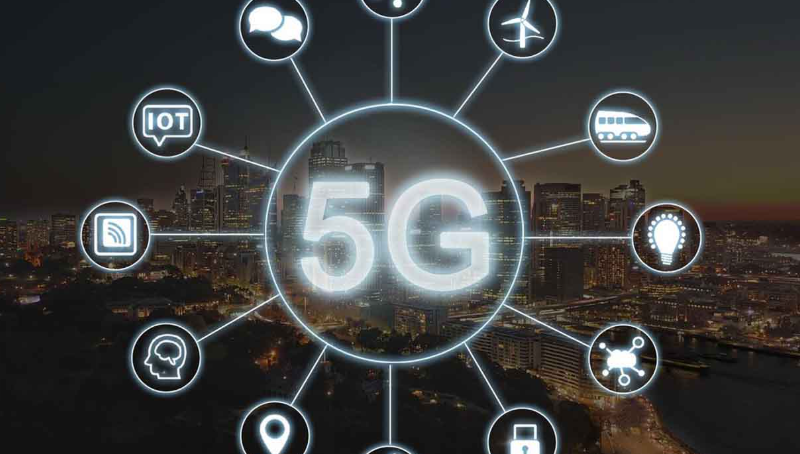


Introduction to 5G Technology
5G technology represents the fifth generation of mobile networks, succeeding 4G technology and promising significant enhancements in wireless communication. Unlike its predecessors, 5G is designed to provide greater speed, reduced latency, and improved connectivity for a wide array of devices. This advancement is crucial for the burgeoning Internet of Things (IoT), where more devices are interconnected than ever, demanding a robust and efficient mobile network.
One of the fundamental differences between 5G and earlier generations lies in its architecture. 5G operates on a more diverse spectrum of frequencies, utilizing not only traditional low-band frequencies but also mid-band and high-band frequencies (often referred to as millimeter wave). This multifaceted approach allows for greater bandwidth and the capability to handle a larger volume of simultaneous connections, essential for applications ranging from smart cities to autonomous vehicles.
Speed is a hallmark of 5G technology, with download rates exceeding 10 gigabits per second in optimal conditions. This is a dramatic improvement over 4G, which typically offers speeds around 100 megabits per second. Additionally, 5G boasts a significantly reduced latency, bringing it down to potential levels as low as one millisecond. Such immediacy will revolutionize experiences in areas requiring real-time responsiveness, such as virtual reality and telemedicine.
Finally, the capacity of 5G networks allows for the support of millions of devices per square kilometer, which is crucial for densely populated urban areas or locations with a high density of connected devices. As we continue to explore the implications of 5G technology in modern life, it is evident that this new mobile network will have profound effects on various sectors, transforming how we communicate, work, and engage with technology.
Impact on Communication
The advent of 5G technology is poised to revolutionize communication channels significantly. By offering faster data transfer rates and reduced latency, 5G enhances not only traditional voice calls but also modern forms of communication such as video conferencing and messaging. With download speeds potentially reaching up to 10 gigabits per second, the quality of voice calls will improve markedly, allowing for clearer audio transmission and a more immersive experience for users.
In the realm of video conferencing, 5G technology allows for high-definition streaming with minimal interruptions. This improved capability is essential for businesses and individuals reliant on virtual meetings, as it eliminates the common difficulties associated with buffering and lag. As a result, remote collaboration can occur in real-time with enhanced clarity, reducing the likelihood of miscommunication and increasing overall productivity.
Moreover, messaging applications will benefit immensely from 5G’s capabilities. The speed of sending and receiving messages, including multimedia content, will see a significant enhancement. Users will be able to share richer content, such as high-definition videos or large files, in a fraction of the time it takes with current network technologies.
Additionally, the potential of augmented reality (AR) and virtual reality (VR) applications in communication cannot be overlooked. The low latency and high bandwidth of 5G make it feasible to integrate AR and VR into everyday communication tools. For instance, virtual meetings can evolve beyond simple video feeds, allowing users to interact in a shared 3D space, thereby creating a sense of presence that was previously unavailable. Such advancements not only enhance personal interactions but also open new avenues for business applications, training, and education.
Revolutionizing Transportation
The advent of 5G technology is set to revolutionize transportation in profound ways, significantly impacting how we travel and interact with vehicles and infrastructure. One of the major advancements facilitated by 5G is the development of connected cars, which rely on vehicle-to-everything (V2X) communication. This technology allows vehicles to communicate not only with one another but also with infrastructure such as traffic lights, road signs, and even pedestrians. The low latency and high bandwidth provided by 5G networks are crucial for real-time data sharing, enabling vehicles to make informed decisions quickly and safely.
Moreover, the integration of 5G in transportation systems enhances traffic management. Smart traffic lights can adjust their timings based on real-time traffic conditions, reducing congestion and improving overall flow. Additionally, 5G can facilitate the collection and analysis of data from various sources, allowing cities to optimize road usage and enhance the efficiency of transportation networks. As a result, commuters can experience reduced travel times and lower stress levels.
Public transportation systems are also poised for improvements through the implementation of 5G technology. Enhanced connectivity can enable smart buses and trains to provide passengers with real-time updates on schedules and delays, improving the overall travel experience. Furthermore, autonomous public transport vehicles can leverage 5G networks to navigate complex urban environments accurately. The increased reliability and responsiveness of these systems will encourage more people to rely on public transport, contributing to a reduction in individual car usage and an overall decrease in urban congestion.
Ultimately, the transformative potential of 5G technology in the transportation sector is immense, offering safer, more efficient, and more sustainable travel solutions. As cities continue to adapt to these advancements, the future of transportation will likely witness remarkable improvements in both functionality and accessibility.
Enhancing Smart Homes and IoT Devices
The advent of 5G technology is set to significantly transform smart homes and the Internet of Things (IoT), enhancing the connectivity and responsiveness of various devices within these environments. With the capability to support a vast number of devices simultaneously, 5G will allow for seamless integration of smart appliances, thus enhancing the home automation experience for users.
One of the primary advantages of 5G is its low latency, which ensures that commands sent between devices and systems are processed almost instantaneously. This responsiveness will lead to various improvements in smart home functionalities. For instance, smart thermostats will adjust settings more efficiently based on real-time data, optimizing energy usage and making homes more energy-efficient.
Moreover, 5G can bolster home security systems by enabling real-time monitoring and immediate alerts, providing homeowners with a greater sense of safety. Enhanced video streaming capabilities through 5G will allow for higher definition monitoring, ensuring that any unusual activity is quickly identified and addressed. This improved communication between security cameras, alarms, and smart locks increases the overall robustness of home security management.
Furthermore, the implications of 5G extend to remote management functionalities, allowing users to control their smart home devices from virtually anywhere with reliable connectivity. This capability is particularly significant for individuals who travel frequently or operate various rental properties. Enhanced connectivity means that adjustments to lighting, temperature, and security features can be made effortlessly, providing convenience and peace of mind.
In conclusion, the implementation of 5G technology will not only significantly improve the performance of smart home technologies but will also pave the way for innovative applications within the IoT landscape, ultimately crafting a more efficient, secure, and responsive living environment.
Transforming Healthcare Services
5G technology is set to revolutionize the healthcare sector by enhancing the efficiency and accessibility of medical services. The advent of 5G allows for significant advancements in telemedicine, enabling healthcare providers to deliver virtual care more effectively. With its ultra-low latency and high-speed connectivity, telemedicine can facilitate real-time consultations, allowing patients to receive guidance without the need to visit healthcare facilities physically. This shift not only saves time for patients but also reduces the burden on healthcare systems, especially during times of increased demand, such as pandemics.
Moreover, remote patient monitoring becomes feasible through 5G networks. Healthcare providers can utilize connected devices to track vital signs and health metrics from patients’ homes. This capability is critical for managing chronic conditions, as healthcare professionals can receive continuous, real-time data, thus enabling timely interventions. For patients, this means greater convenience, as they can remain in their residential environments while still receiving attentive medical supervision.
The sharing of data among healthcare institutions is also enhanced by 5G technology. Physicians can access patient histories and test results from various locations instantaneously, ensuring that they make informed decisions based on comprehensive information. This degree of data sharing fosters a collaborative healthcare ecosystem, where specialists can consult in real-time, promoting improved patient outcomes.
In addition to telemedicine and data sharing, innovations in medical technology become more dynamic with 5G. Wearable devices that monitor health conditions continuously can communicate data seamlessly with healthcare providers. Furthermore, the possibility of remote surgeries using robotic systems is brought to the forefront, where surgeons can operate on patients across vast distances, as if they were in the same room. Such advancements promise to push the boundaries of what is currently achievable in medical intervention.
Impacts on Education and Learning
With the advent of 5G technology, the landscape of education and learning is poised for significant transformation. Enhanced connectivity provided by 5G networks allows for faster data transmission and more reliable connections, which can drastically improve both traditional classroom experiences and online learning environments. One of the primary benefits of 5G technology in education is its ability to facilitate interactive learning tools. Students can engage with rich multimedia content that can be accessed seamlessly and quickly, thus enhancing their understanding of complex subjects.
Moreover, 5G has the potential to support the proliferation of virtual classrooms, which can transcend geographical limitations. This innovative approach to learning enables students from diverse locations to connect and collaborate in real-time, providing them with exposure to different cultures and perspectives. In addition, virtual classrooms equipped with augmented reality (AR) and virtual reality (VR) can create immersive experiences that foster greater engagement and retention of knowledge.
The relevance of 5G technology extends to providing access to educational resources on-demand. Students will no longer be constrained by the limitations of bandwidth and latency that are common with current networks. They will be able to download and stream high-quality educational materials, including videos, simulations, and interactive applications, which can effectively enhance their learning experience. Furthermore, the increase in connectivity will allow educators to adopt more technologically advanced teaching methods, encouraging both in-person and remote learners to participate actively in their education.
As a result, 5G technology promises to make education more inclusive and equitable, catering to various learning styles and needs. By lowering barriers to access and improving the overall quality of learning experiences, 5G will significantly impact how students learn and interact with educational content in the future.
Effects on Entertainment and Media Consumption
The advent of 5G technology marks a transformative moment in the realm of entertainment and media consumption. By providing remarkably high data transfer speeds and low latency, 5G will enable streaming of high-definition (HD) and ultra-high-definition (UHD) content seamlessly. Users can expect to enjoy their favorite films and series without interruptions, eliminating the frustrating buffering that often plagues current streaming services. This enhancement in video quality will not only satisfy consumer demand but will also push content providers to elevate their offerings.
Moreover, 5G technology is poised to revolutionize interactive gaming experiences. Gamers will benefit from significantly reduced latency, leading to more responsive gameplay. Multiplayer games can facilitate real-time interactions among players globally, enhancing the social aspect of gaming. Additionally, the capabilities of 5G support the integration of virtual reality (VR) and augmented reality (AR) applications into gaming, allowing users to experience immersive environments. This advancement promises to foster new genres of gaming that blend the virtual and physical worlds in unprecedented ways.
Furthermore, the impact of 5G extends beyond individual consumption, as it will influence content creation and distribution strategies. Content creators will have the capacity to use high-quality tools and resources without the barriers posed by slower connections. The rapid upload and download speeds will enable the distribution of rich media content more efficiently, therefore encouraging innovative storytelling methods. As platforms adapt to these changes, audiences can expect a swift evolution in how media content is produced, shared, and consumed, ultimately enriching the entertainment landscape.
Challenges and Considerations
The advent of 5G technology promises to revolutionize daily life, but it also brings with it a range of challenges and considerations that must be addressed. One significant issue is the potential impact on privacy and security. As we move towards a highly interconnected world, the volume of data that will be transmitted over 5G networks will increase exponentially. This escalation presents heightened risks for data breaches and cyberattacks. Ensuring robust cybersecurity measures and data protection protocols will be crucial as individuals and businesses embrace the 5G infrastructure.
Another important concern is the digital divide. While 5G technology offers high-speed internet access and enhanced connectivity, it is essential to recognize that not all individuals or communities will have equal access to these advancements. Urban areas may rapidly adopt 5G networks, leaving rural and underserved populations lagging behind. This disparity could exacerbate existing inequalities in education, healthcare, and economic opportunities, drawing attention to the need for policies aimed at equitable access for all.
Moreover, the environmental impact of increased connectivity is a pressing issue that must be addressed. The infrastructure needed to support 5G technology requires significant resources and energy, raising concerns regarding sustainability. As the world shifts towards a more connected environment, it is vital to evaluate the environmental consequences of producing and maintaining telecommunications equipment. Industry stakeholders, governments, and environmental organizations must collaborate to develop strategies that minimize the ecological footprint of 5G technology.
As we enter this new era of connectivity, it is imperative to implement regulatory measures and foster public awareness. Educating individuals about the implications of 5G technology, as well as advocating for responsible usage and infrastructure development, will be essential for a successful transition into a 5G-enabled world.
Conclusion and Future Outlook
In summary, the advent of 5G technology is poised to revolutionize daily life by introducing faster data speeds, enhanced connectivity, and transformative applications across various sectors. The discussions in this article highlighted several critical areas where 5G will make a significant impact, such as improved communication, the rise of smart cities, advancements in telemedicine, and the proliferation of the Internet of Things (IoT). These developments suggest that our interactions with technology will become more seamless, efficient, and integrated into our everyday routines.
As 5G technology continues to roll out globally, society stands at the cusp of a new technological era. It is anticipated that this advancement will not only augment existing services but also create entirely new industries and job opportunities. For instance, the potential for real-time data transmission can lead to innovations in autonomous vehicles, enhancing safety and efficiency in transportation. Furthermore, in the realm of healthcare, remote surgery and virtual consultations can become commonplace, breaking geographical barriers and improving patient outcomes.
While the possibilities seem limitless, it is essential for individuals and communities to remain cognizant of the challenges that accompany such rapid technological advancements. Issues related to privacy, security, and the digital divide must be addressed to ensure that the benefits of 5G technology are accessible to all. As we adapt to this changing landscape, there is a pressing need for critical thinking on how these advancements can be harnessed ethically and responsibly.
In conclusion, the future of 5G technology invites us to embrace innovation while simultaneously navigating its implications on our society. By fostering an adaptable mindset and remaining engaged in ongoing dialogues about technology’s role in our lives, we can collectively shape a future that maximizes the advantages of 5G. The journey ahead may be complex, but with a proactive approach, we can ensure that the evolution of technology serves humanity’s best interests.