
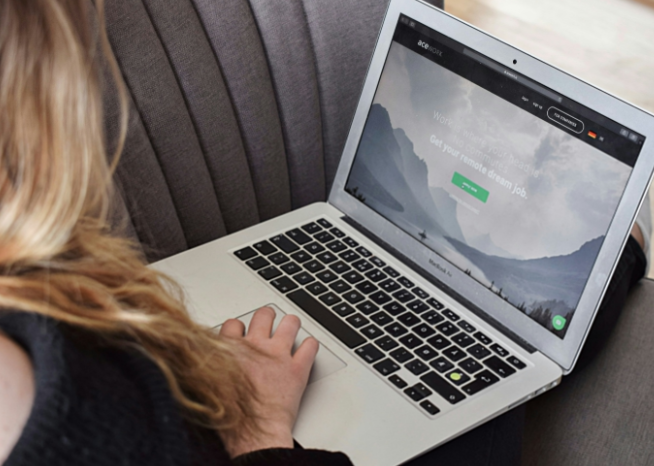


Introduction to the Digital Nomad Lifestyle
The digital nomad lifestyle represents a transformative approach to work, allowing individuals to exploit the flexibility provided by technology to work from virtually any location. At its core, being a digital nomad involves working remotely while traveling, whether it be in different countries or merely moving from one city or region to another. This increasingly popular lifestyle appeals to many due to its promise of adventure, freedom, and the ability to combine work with travel.
Key characteristics of this lifestyle include a reliance on technology, particularly mobile devices and high-speed internet, as well as an adaptability to different environments. Digital nomads often possess skills that are conducive to remote work, such as programming, graphic design, writing, consulting, or customer support. These careers often permit individuals to perform their tasks from any location, making it possible to earn a living while exploring the globe.
The surge in popularity of the digital nomad lifestyle can be attributed to several factors, including the rise of remote work opportunities and the adoption of flexible work policies by many companies. Additionally, advances in internet connectivity and communication technologies have made it feasible for professionals to maintain productivity while based in differing time zones and locations. As society gradually shifts toward a culture of location independence, the digital nomad phenomenon showcases an evolving work paradigm that highlights the interplay between work and exploration.
In essence, the digital nomad lifestyle offers individuals a unique chance to break away from traditional office environments, embracing a dynamic that blends career and travel. As we delve further into the principles and practicalities of this lifestyle, it becomes clear that it is as much about personal growth and experience as it is about professional achievement.
Choosing the Right Destinations
As a digital nomad, selecting the appropriate destination plays a crucial role in shaping your travel experience and influencing your productivity. There are several key factors that should be taken into account when determining where to set up your temporary base.
First and foremost, consider the cost of living. This aspect greatly impacts your budget, as some locations may offer a lower cost of living while providing the necessary amenities for remote work. Research average prices for accommodation, food, and transportation to gauge how far your earnings will stretch in each potential destination.
Another important factor is internet availability. In the digital age, reliable internet access is non-negotiable for remote workers. Prioritize destinations that are known for their high-speed connectivity. Checking reviews and local forums can help you gauge the quality of internet services in your chosen location, allowing you to maintain productivity without interruptions.
Proximity to other nomads can also enhance your experience. Many digital nomads find it beneficial to be in environments that foster community, opening doors for networking, collaboration, and social interactions. Look for destinations that have coworking spaces or established nomad communities where you can connect with like-minded individuals.
Safety is yet another vital consideration. Research crime rates and public safety measures in potential destinations to ensure a secure living situation. Understanding the local culture is equally important, as it enriches your experience and helps you adapt smoothly to new environments. Engaging with locals, exploring cultural traditions, and trying local cuisines can transform your stay from mere living to a memorable experience.
By factoring in cost, internet access, community, safety, and culture, digital nomads can select destinations that not only support their professional objectives but also provide enriching experiences during their travels.
Packing Essentials for Nomadic Life
Packing for a digital nomadic lifestyle requires careful consideration of various essentials to ensure that you are adequately prepared for diverse environments. As remote workers often switch locations frequently, the packing list must encompass technology, clothing, health and personal care items, as well as travel documents.
Firstly, technology plays a pivotal role in the life of a digital nomad. A laptop with sufficient processing power is crucial, as it is the primary tool for work tasks. Additionally, packing a lightweight portable charger can be beneficial, ensuring that devices remain powered during long travel days. Don’t forget the necessary accessories, such as noise-canceling headphones, a reliable Wi-Fi hotspot, and a universal travel adapter that accommodates various plug types found around the world.
Clothing is another significant aspect to consider. The choice of attire should be versatile and suitable for various climates and occasions. Packing layers is advisable; breathable fabrics for warm climates and warming layers for cooler temperatures can help adapt to changing environments. Additionally, opt for wrinkle-resistant clothing items to maintain a professional appearance with minimal upkeep.
Maintaining health while traveling is crucial, so a well-stocked personal care kit should be part of your packing essentials. Include basic first-aid supplies, any prescription medications, and personal hygiene products like hand sanitizers and face masks. Essential health items can aid in dealing with the unpredictability during travels.
Finally, ensure that you have all necessary travel documents readily accessible. This includes your passport, visas, travel insurance, and any documents related to your employment or accommodation. Having these organized in a secure place can alleviate stress during transitions between locations.
Managing Finances on the Road
Effectively managing finances while traveling as a digital nomad is crucial for maintaining a comfortable lifestyle. Budgeting for living expenses is the first step; it is essential to outline your expected costs based on your destination. Research local prices for accommodation, meals, transportation, and other necessities to create a realistic financial plan. Utilizing online resources such as cost of living calculators can assist in setting appropriate budgets that reflect local conditions.
Handling currency exchange efficiently is also important. Different countries have varying currency rates, and fluctuating rates can lead to unexpected costs. It is advisable to use credit or debit cards with no foreign transaction fees, as this minimizes extra charges. Additionally, always check the local ATM fees as they can significantly affect your withdrawal expenses. When exchanging money, it’s often best to do so at banks or established exchange services rather than at airports, where rates may be less favorable.
The use of financial apps can simplify the management of travel finances. Numerous applications allow you to track your expenses, creating an easy overview of your spending patterns. Tools such as Mint or YNAB (You Need A Budget) can be beneficial in keeping your finances organized. They offer features to set budget limits, alert you when you are nearing those limits, and provide insights into your financial health while on the move.
Moreover, maintaining a steady income as a remote worker is paramount. Seek consistent freelance opportunities and consider establishing diversified income streams, such as passive income from e-commerce or affiliate marketing. Additionally, having a financial cushion or emergency funds can alleviate stress during unforeseen circumstances. Ultimately, effective financial management is key to enjoying the digital nomad lifestyle while ensuring financial stability.
Building a Productive Work Environment Anywhere
Establishing a productive work environment is crucial for remote workers, especially for digital nomads who often find themselves in varying locations. The key to maintaining productivity lies in selecting the right workspace. One effective strategy involves evaluating your surroundings to find a location that not only meets your functional needs but also fosters creativity. Coffee shops, co-working spaces, and libraries are popular choices, each offering distinct atmospheres. For instance, co-working spaces often provide structured environments with amenities conducive to focus, while coffee shops might inspire creativity through their ambiance.
Managing noise levels in your workspace is essential for maintaining concentration. Utilizing noise-cancelling headphones can significantly enhance productivity by blocking out distractions, particularly in bustling areas. If the external environment is overwhelmingly noisy, consider using apps that provide ambient sounds or white noise, which can create a more suitable auditory backdrop. Alternatively, if you prefer a quiet atmosphere, seeking serene locations such as parks or less frequented cafés may be beneficial.
Furthermore, the importance of maintaining a work-life balance cannot be overstated. Setting clear boundaries between work and leisure is vital to avoid burnout in a remote working scenario. Establishing a designated workspace, even in small living areas, creates a mental separation from personal spaces. It’s also advisable to establish a routine that includes scheduled breaks and regular work hours. This helps in reducing the temptation to work excessively while on the move. Incorporating physical activity, such as walking or brief exercises during breaks, can greatly enhance mental clarity and focus.
By thoughtfully selecting workspaces, managing noise levels, and ensuring a healthy work-life balance, digital nomads can cultivate an effective work environment regardless of their location.
Networking and Building Community as a Nomad
For remote workers and digital nomads, networking plays a vital role in not only personal development but also professional advancement. Building a community while on the move can help alleviate feelings of isolation that often accompany a nomadic lifestyle. Establishing connections with like-minded individuals fosters collaboration and support, which can significantly enhance the travel experience.
One effective way to network is by participating in community events and meetups. Websites like Meetup.com and Eventbrite list various gatherings that cater to remote workers. These events can range from casual networking meetups to structured workshops. By engaging in these activities, digital nomads can connect with individuals who share similar interests and professional backgrounds, facilitating valuable relationships.
Additionally, co-working spaces have become popular hubs for remote workers. These environments often host workshops, seminars, and social events, providing an opportunity for networking without the pressure of formal settings. Many co-working spaces also include online platforms enabling members to communicate, share resources, and organize outings, making it easier for nomads to integrate into their local co-working community.
Furthermore, leveraging social media platforms can enhance networking efforts. LinkedIn, for instance, is an excellent resource for connecting with other professionals and exploring mentorship opportunities. Participating in relevant Facebook groups or forums specifically catering to digital nomads can also provide insights and facilitate introductions. Members frequently share advice, job opportunities, and recommendations on destinations, all of which can enrich a traveler’s experiences.
In conclusion, networking as a digital nomad significantly contributes to creating a supportive community and enhancing professional opportunities. By actively participating in events, utilizing co-working spaces, and engaging through social media, remote workers can foster meaningful connections, ensuring that they not only have a productive work-life but also a fulfilling social experience while traveling.
Staying Healthy and Active While Traveling
Maintaining physical and mental health while embracing the digital nomad lifestyle is crucial for long-term productivity and well-being. As remote workers travel from place to place, they should actively seek out fitness opportunities to keep their bodies engaged and energized. Numerous resources such as local gyms, outdoor parks, and group fitness classes can facilitate a consistent exercise regimen. For those who prefer convenience, many online platforms offer workout routines that can be performed in small hotel rooms or public spaces.
Diet is another essential aspect to consider when it comes to health during travel. The availability of fresh produce, nutritious ingredients, and local cuisine can significantly influence dietary habits. Traveling nomads should aim to strike a balance, seeking out healthy meal options while still allowing themselves to experience the culinary delights of new cultures. Simple strategies like visiting local markets to purchase fresh fruits and vegetables or preparing meals with portable kitchen tools can foster healthier eating habits. Furthermore, being mindful of hydration—particularly in warmer climates—can prevent fatigue and enhance overall well-being.
In addition to physical health, mental well-being plays a vital role in maintaining a healthy lifestyle while traveling. Engaging in self-care practices such as mindfulness meditation, journaling, or even leisure reading can contribute to emotional balance and resilience. Establishing routines around relaxation and reflection, even within an unpredictable travel schedule, can aid in managing stress levels. Connecting with other digital nomads through online communities or local meetups can also promote social interaction, offering support and shared experiences. By prioritizing fitness, healthy eating, and self-care, remote workers can thrive in their digital nomad travels, ensuring a fulfilling and sustainable lifestyle.
Traveling Responsibly and Sustainably
As the allure of the digital nomad lifestyle continues to grow, it is vital to address the impact of traveling on local communities and the environment. Each trip undertaken can leave a lasting mark, and as remote workers, it becomes our responsibility to ensure that our journeys contribute positively to the destinations we visit. Responsible travel aims to minimize negative effects while maximizing the benefits to local populations and ecosystems.
One of the most effective ways to travel sustainably is by supporting local businesses. This could include dining at locally-owned restaurants, staying in family-run accommodations, or purchasing handmade products from artisans. These actions not only provide a more authentic experience but also ensure that a larger share of the economic benefits remains within the community. By choosing to engage with local services, travelers can uphold the culture and traditions of the region while fostering economic sustainability.
Moreover, minimizing ecological footprints should be a cornerstone of any travel plan. Simple steps can make a significant difference, such as using public transportation instead of rental cars, opting for eco-friendly tour operators, and making conscious decisions to reduce waste during travels. Carrying a reusable water bottle and bags can greatly diminish plastic usage, while participating in clean-up activities in local areas can further contribute to environmental conservation.
Additionally, being aware of the cultural norms and practices of the communities visited is fundamental in fostering respectful relationships. Learning basic local phrases or customs can enhance interactions with residents and display appreciation for their heritage. Engaging with the community meaningfully enriches the travel experience, ensuring that the journey is not just about passive observation but active participation and respect.
Conclusion and Future of the Digital Nomad Lifestyle
As we reflect on the burgeoning digital nomad lifestyle, several key takeaways emerge that highlight its growing importance and popularity among remote workers. Firstly, the flexibility that comes with being a digital nomad allows individuals to explore diverse cultures and environments while maintaining their professional careers. This flexibility is increasingly supported by the rise of remote work, making it possible for employees to perform their duties from virtually anywhere in the world.
Furthermore, the ability to integrate travel with work is transforming our understanding of productivity. Many digital nomads report enhanced creativity and satisfaction when working outside traditional office environments. This lifestyle not only fosters innovation but also promotes a better work-life balance, which is integral for overall well-being.
Looking towards the future, the digital nomad lifestyle is poised for significant evolution. As more companies adopt remote work policies, the infrastructure that supports digital nomads, such as coworking spaces and supportive communities, is likely to expand. Additionally, advancements in technology will further facilitate seamless communication and collaboration among teams spread across different continents.
The acceptance of the digital nomad lifestyle may also prompt governments to establish specific visas catered to remote workers, promoting longer stays for those wishing to integrate work with travel. As societal attitudes shift towards valuing flexibility and mobility, the digital nomad lifestyle will likely become a prominent choice for professionals seeking new opportunities.
In conclusion, the intersection of technology, flexibility, and a desire for experiential living is shaping the digital nomad lifestyle, indicating a future where remote work is not just accepted but celebrated as a viable path for career fulfillment and personal growth.