
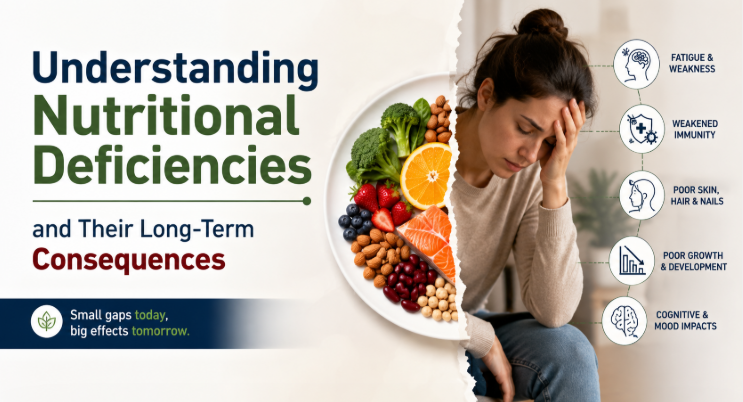


Introduction to Nutritional Deficiencies
Nutritional deficiencies occur when the body does not obtain sufficient quantities of essential nutrients required for optimal health. These deficiencies can arise from various factors, including inadequate dietary intake, absorption issues, or increased nutritional needs during certain life stages such as pregnancy, lactation, or aging. A balanced diet is fundamentally important, not only for preventing deficiencies but also for maintaining overall well-being.
Vitamins and minerals play a crucial role in numerous bodily functions, including immune response, energy production, and maintenance of healthy tissues. For instance, vitamin C is vital for the synthesis of collagen, while vitamin D aids in calcium absorption critical for bone health. When the body lacks these nutrients, it can lead to serious health issues over time, affecting both physical and mental well-being.
Common causes of nutritional deficiencies often include poor dietary choices, which may stem from a lack of knowledge regarding proper nutrition, limited access to healthy foods, or lifestyle factors such as busy schedules leading to convenience-based eating. Moreover, medical conditions such as gastrointestinal disorders can interfere with nutrient absorption, further exacerbating deficiencies.
It is also essential to acknowledge that specific life stages may result in increased nutritional requirements. Pregnant women, for example, require additional folic acid to support fetal development, while older adults often need more vitamin B12 due to decreased absorption efficiency. By understanding the causes and implications of nutritional deficiencies, we lay the groundwork for exploring their long-term consequences and the importance of cultivating healthier eating habits.
Common Nutritional Deficiencies
Nutritional deficiencies can occur when the diet lacks essential vitamins and minerals necessary for optimal health. Among the various types, vitamin D deficiency is quite prevalent, particularly in regions with limited sunlight exposure. This vitamin is crucial for bone health as it facilitates calcium absorption. Symptoms of deficiency may include fatigue, bone pain, and muscle weakness. Risk factors encompass limited dietary intake, lack of sun exposure, and certain medical conditions affecting absorption.
Another common deficiency is vitamin B12, which is vital for the formation of red blood cells and neurological function. Typically found in animal products, this deficiency is more prevalent among vegetarians and vegans who do not supplement. Symptoms include fatigue, weakness, and neurological issues such as numbness or balance problems. Elderly individuals may also be at increased risk due to diminished absorption capacity.
Iron deficiency is a significant concern globally, particularly among women of childbearing age, infants, and adolescents undergoing growth spurts. Iron is essential for oxygen transport in the blood. Individuals with iron deficiency may experience symptoms such as pallor, fatigue, and shortness of breath. Risk factors include low dietary iron intake, chronic blood loss, and certain health conditions affecting iron absorption.
Calcium deficiency primarily affects bone health and can lead to osteoporosis in later life. Those at risk include individuals with lactose intolerance or vegan diets without adequate calcium sources. Symptoms may include muscle cramps and brittle nails. Lastly, folic acid is vital for DNA synthesis and is particularly important during pregnancy to prevent neural tube defects. Deficiency may result in megaloblastic anemia, characterized by fatigue and pallor. Understanding these deficiencies, their prevalence, risk factors, and symptoms can empower individuals to make informed dietary choices.
Short-Term Effects of Nutritional Deficiencies
Nutritional deficiencies can manifest quite rapidly, with immediate effects that significantly impact an individual’s overall health and daily functioning. The body requires a delicate balance of nutrients for optimal performance, and when deficiencies occur, various symptoms may arise within a short time frame.
One common consequence of nutrient deficiency is fatigue, which can affect energy levels and overall productivity. A lack of essential vitamins, such as Vitamin B12 or iron, can lead to anemia, resulting in a pronounced sense of exhaustion. Fatigue stemming from nutritional deficiencies may be accompanied by weakness, making routine tasks feel increasingly challenging.
Moreover, the immune system is often compromised when essential vitamins and minerals are lacking, leading to increased susceptibility to infections. For instance, insufficient vitamin C can hinder the body’s ability to fight off common colds, while a deficiency in zinc has been linked to a decreased immune response. Individuals may experience prolonged illness or slower recovery times, emphasizing the critical role that proper nutrition plays in maintaining health.
The specific symptoms and effects of nutritional deficiencies can vary widely depending on the particular nutrient that is deficient. For example, deficiencies in calcium or vitamin D can lead to muscle cramping and bone pain, while a lack of dietary fiber can result in digestive issues. Hence, the type of nutrient involved not only influences the symptoms but also the pace at which they develop. This interactive relationship highlights the importance of a balanced diet rich in diverse nutrients.
In summary, the short-term effects of nutritional deficiencies can be both varied and severe, underscoring the necessity for individuals to monitor their nutritional intake to prevent these immediate health challenges.
Long-Term Consequences of Nutritional Deficiencies
Nutritional deficiencies, when left untreated, can lead to a variety of chronic health conditions that significantly impact overall well-being. Over time, the lack of essential nutrients can manifest into severe diseases, making early detection and intervention critical for maintaining health.
For example, calcium deficiency is often linked to osteoporosis, a condition characterized by weakened bones and an increased risk of fractures. As individuals age, the effects of osteoporosis become more pronounced, leading to debilitating outcomes that compromise mobility and quality of life. This emphasizes the necessity of adequate calcium intake throughout life, especially during childhood and adolescence when bone development is crucial.
Another critical example is vitamin B12 deficiency, which can lead to serious neurological disorders. This vitamin is essential for nerve function and the production of DNA and red blood cells. Insufficient levels can result in peripheral neuropathy, cognitive impairment, and even irreversible brain damage if not addressed promptly. Individuals who follow a strict vegetarian or vegan diet, or those with absorption issues, are particularly susceptible to this deficiency, making it essential for them to monitor their nutrient intake closely.
Additionally, iron deficiency has been connected with anemia, which not only induces fatigue and weakness but can also strain the cardiovascular system. Long-term anemia can lead to heart issues, highlighting the need for adequate iron consumption, particularly in populations at higher risk such as pregnant women and children.
In conclusion, the long-term consequences of nutritional deficiencies can lead to debilitating health conditions, underscoring the importance of awareness, early detection, and dietary intervention. Proper nutrient intake plays a vital role in preventing these chronic issues, reinforcing the need for a balanced and varied diet to support overall health.
At-Risk Populations for Nutritional Deficiencies
Nutritional deficiencies can affect anyone; however, certain populations are particularly vulnerable to developing these deficiencies due to their unique physiological, developmental, and lifestyle factors. Understanding these at-risk groups is key for providing targeted dietary guidance and appropriate interventions.
Children are one of the most susceptible demographics when it comes to nutritional deficiencies. Their rapid growth and development phase necessitates adequate intake of essential vitamins and minerals. Picky eating habits, parents’ dietary choices, and socioeconomic factors can further exacerbate the risk of deficiencies in key nutrients like iron, calcium, and vitamin D. Children require rich, varied diets to support their physical and cognitive development, making nutritional education for parents critical.
Pregnant women also represent a significant at-risk population. During pregnancy, the demand for nutrients increases substantially to support fetal growth and maternal health. Deficiencies in folic acid, iron, and calcium can have serious implications, leading to conditions such as anemia, poor fetal development, or complications during delivery. Pregnant women beneficially impact both their health and that of their child through comprehensive prenatal nutrition care.
The elderly are another group at high risk for nutritional deficiencies. Aging can reduce appetite, alter taste perception, and lead to issues with absorption and digestion. Furthermore, chronic conditions and the potential use of multiple medications can exacerbate nutritional needs and may hinder proper dietary intake. Therefore, tailored nutritional programs focusing on the unique requirements of seniors are essential.
Individuals with certain medical conditions, such as gastrointestinal disorders or chronic diseases like diabetes or cancer, may also face heightened nutritional risks. Lifestyle factors, including alcohol dependence or vegetarian/vegan diets, can further contribute to deficiencies. Understanding and addressing the specific dietary needs of these at-risk populations is vital for promoting health and preventing long-term consequences related to nutritional deficiencies.
Diagnosis and Monitoring of Nutritional Deficiencies
Nutritional deficiencies can significantly impact overall health, thus necessitating precise diagnosis and regular monitoring. The diagnosis of these deficiencies primarily involves a combination of blood tests, dietary assessments, and comprehensive clinical evaluations. Blood tests are critical in identifying deficiencies by measuring nutrient levels in the bloodstream. For instance, low levels of vitamin B12 can be detected through serum cobalamin levels, while iron deficiencies can be assessed through ferritin and hemoglobin levels. These tests provide immediate insight into an individual’s nutritional status and prompt further investigation if necessary.
Dietary assessments complement blood tests by analyzing an individual’s food intake patterns, nutrient consumption, and overall dietary habits. Nutritionists often employ food frequency questionnaires or 24-hour dietary recalls to evaluate habitual intake and identify potential gaps in essential nutrients. This holistic view helps healthcare professionals suggest tailored dietary modifications to mitigate deficiencies.
Clinical evaluations also play a pivotal role in diagnosing nutritional deficiencies. During a physical examination, healthcare providers may observe signs and symptoms indicative of specific deficiencies, such as pale skin for iron deficiency or neurological symptoms for vitamin B12 insufficiency. Together, these methods create a comprehensive diagnostic picture.
Regular monitoring is particularly vital for at-risk populations, including the elderly, pregnant women, and individuals with chronic illnesses. These groups may require more frequent assessments to ensure nutritional adequacy and prevent complications arising from deficiencies. Healthcare providers can recommend routine follow-ups to adjust dietary practices or supplementation as necessary. By taking a proactive approach to health through regular monitoring, individuals can better manage their nutritional status and enhance their overall well-being.
Prevention Strategies for Nutritional Deficiencies
Preventing nutritional deficiencies is fundamental to maintaining optimal health. One of the most effective strategies is to adopt a balanced diet that incorporates a wide variety of foods rich in essential nutrients. Including fruits, vegetables, whole grains, lean proteins, and healthy fats in daily meals can significantly reduce the risk of deficiencies. Foods such as leafy greens, nuts, seeds, and dairy products are potent sources of vitamins and minerals that support overall well-being.
Meal planning is another vital component in preventing nutritional deficits. By planning meals ahead of time, individuals can ensure they are consuming a diverse array of nutrients. It is advisable to allocate specific days for grocery shopping and meal preparation to streamline the process. Additionally, keeping a food diary can help track nutrient intake and identify any gaps that need to be addressed.
Smart food choices play a crucial role in nutritional health. Choosing whole foods over processed alternatives can provide higher nutrient density. For instance, replacing white bread with whole grain options and choosing fresh fruits instead of sugary snacks can make a significant difference in nutrient intake. Cooking at home allows for greater control over ingredients, potentially reducing the risk of hidden additives and empty calories.
While a well-rounded diet is preferable, some individuals may benefit from the use of supplements. Multivitamins can serve as a practical means to fill in dietary gaps, particularly for those with restricted diets, such as vegetarians or individuals with food allergies. However, it is essential to consult with a healthcare provider before starting any supplementation, as excessive intake of certain nutrients can lead to adverse effects.
By implementing these strategies, individuals can actively take charge of their nutritional health, thereby reducing the risk of deficiencies and promoting long-term wellness.
Treatment Options for Nutritional Deficiencies
When addressing nutritional deficiencies, it is crucial to adopt a multifaceted approach tailored to the individual’s specific needs. The first step often involves dietary changes, as incorporating a variety of nutrient-dense foods can significantly aid in restoring vital nutrients. For instance, increasing the intake of fruits, vegetables, whole grains, lean proteins, and healthy fats can help alleviate deficiencies in essential vitamins and minerals. Foods rich in specific nutrients, such as leafy greens for calcium and fortified cereals for iron, should be prioritized.
In addition to dietary modifications, supplementation often plays a key role in treatment. Dietary supplements can provide a concentrated source of essential nutrients that may be lacking in one’s diet. However, it is important to consult with a healthcare professional before beginning any supplementation regimen. They can recommend the appropriate types and dosages of vitamins or minerals based on the individual’s diagnostic results, as excessive intake may lead to toxicity or further imbalances.
In more severe cases, medical interventions may be necessary. Healthcare providers might prescribe medications or specialized therapies to address underlying health conditions that contribute to nutritional deficiencies. This could include treatments for gastrointestinal disorders that affect nutrient absorption, such as celiac disease or Crohn’s disease. Regular monitoring and check-ups are essential during this time, ensuring that the prescribed intervention is effective and that the patient’s nutritional status improves.
Ultimately, recovering from nutritional deficiencies requires professional guidance to formulate a comprehensive treatment plan. Such plans not only focus on correcting the deficiencies but also work towards establishing long-term dietary habits that promote overall health and prevent future issues.
Conclusion and Call to Action
Understanding nutritional deficiencies is crucial for maintaining long-term health and wellness. Throughout this blog post, we have explored various aspects of nutritional shortfalls, including their causes, symptoms, and potential consequences. We have seen how deficiencies in essential vitamins and minerals can lead to a range of health problems, from weakened immune function to chronic diseases. It is imperative that individuals recognize the importance of a balanced diet and the role it plays in preventing such deficiencies.
To effectively address nutritional deficiencies, it is essential to conduct regular self-assessments of your dietary habits. This can involve keeping a food diary, educating oneself about the nutrients necessary for optimal health, and identifying any gaps in one’s diet. By being proactive, individuals can take steps to ensure that they are consuming a diet rich in fruits, vegetables, whole grains, proteins, and healthy fats.
Healthcare providers can play a pivotal role in this journey by offering tailored advice based on individual health status and dietary needs. Regular consultations can help individuals stay informed about their nutritional health and identify early warning signs of deficiencies. Furthermore, healthcare professionals can guide patients on supplementation when necessary, ensuring that any gaps are effectively addressed.
Ultimately, the path to better health starts with personal responsibility and informed choices. Committing to healthier dietary habits is not merely an immediate goal but rather a lifelong commitment to well-being. By prioritizing nutrition and understanding its significance, we can empower ourselves and others to lead healthier lives. Consider integrating these insights into your daily routine and encourage those around you to do the same, fostering a community dedicated to nutritional awareness and wellness.