
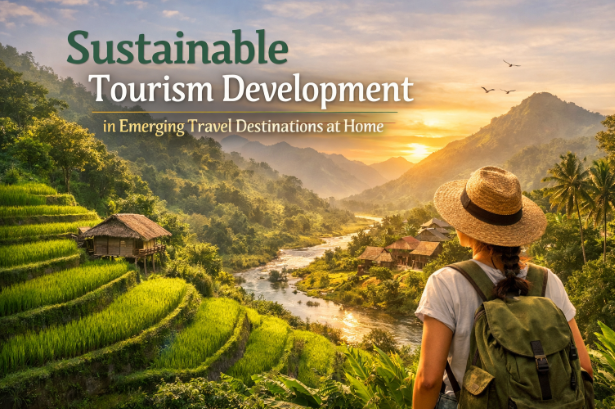


Introduction to Sustainable Tourism
Sustainable tourism has emerged as a critical concept within the travel industry, aiming to minimize the negative impacts of tourism and enhance the benefits for local cultures and economies. Defined as tourism that meets the needs of present tourists and host regions while protecting and enhancing opportunities for the future, sustainable tourism plays an essential role in the shift towards eco-friendly travel practices. Today, more travelers are seeking experiences that are not only enjoyable but also contribute positively to the environment and local communities. This growing interest marks a significant departure from traditional tourism practices, which often prioritize economic gain over ecological responsibility.
Unlike conventional tourism, which frequently leads to the degradation of natural habitats, local cultures, and social structures, sustainable tourism emphasizes the importance of preserving the integrity of destinations. This paradigm shift is particularly evident in emerging travel destinations, which are often characterized by their unique ecosystems and cultural heritage. These locations frequently face the dual challenge of attracting tourists while safeguarding their natural resources and cultural identity. By focusing on sustainable practices, emerging destinations can leverage their appeal to the increasing number of environmentally conscious travelers.
Furthermore, the significance of sustainable tourism development in these areas cannot be overstated. Emerging travel destinations hold strategic importance not only for their potential economic contributions but also for their capacity to showcase best practices in sustainable tourism. Such practices encourage a deeper connection and respect for nature, helping to foster awareness among tourists about the impact of their travel choices. Recognizing the critical balance between tourism and sustainability, stakeholders in these regions are prioritizing practices that ensure the longevity and viability of their attractions while enhancing the visitor experience.
Importance of Sustainable Tourism in Emerging Destinations
Sustainable tourism plays a pivotal role in the development of emerging travel destinations, serving as a means to balance economic growth with the preservation of natural resources and cultural heritage. For regions that are becoming hot spots for tourism, the need for a sustainable approach is essential to ensure that local environments and communities benefit rather than suffer from the influx of visitors.
Firstly, the preservation of natural resources is crucial in emerging destinations, which often boast unique ecosystems and biodiversity. Unsustainable tourism practices can lead to environmental degradation, including pollution, habitat loss, and depletion of resources. By adopting sustainable practices, these destinations can safeguard their environment for future generations while offering tourists the opportunity to experience their unique natural beauty.
Secondly, cultural heritage is another vital aspect that sustainable tourism seeks to preserve. Emerging destinations frequently possess rich cultural histories that attract visitors. However, the pressure of tourism can lead to the commodification of cultural practices and traditions. Sustainable tourism encourages the respect and promotion of local customs, thereby fostering authentic experiences that merge tourism with community enrichment.
Moreover, economic benefits arise from sustainable tourism practices, not only enhancing the financial stability of emerging destinations but also creating job opportunities for local inhabitants. By focusing on sustainability, these regions can develop tourism strategies that align with the interests of the local population, ensuring that a larger share of tourism revenue stays within the community. This approach not only advances economic development but also uplifts local communities and contributes to their well-being.
In summary, sustainable tourism in emerging travel destinations is imperative for ensuring the balanced development of these areas. By prioritizing the preservation of natural and cultural resources, as well as fostering economic growth that benefits local communities, stakeholders can create a tourism model that is both viable and respectful of the unique identities of these emerging locales.
Challenges Faced by Emerging Destinations
As emerging travel destinations strive to implement sustainable tourism practices, they face a myriad of challenges that can hinder their efforts. One significant issue is over-tourism. As these destinations gain popularity among travelers, they often attract an influx of visitors that can overwhelm local resources and infrastructures. This surge in tourism can lead to congestion, environmental degradation, and diminished visitor experiences, all of which can counteract attempts at sustainability.
Moreover, many emerging destinations lack adequate infrastructure to support a growing number of tourists. Essential services such as transportation, waste management, and healthcare may be insufficient, leading not only to frustrations on the part of visitors but also putting additional strain on local communities and ecosystems. In the absence of robust infrastructure, it becomes increasingly difficult for these destinations to promote sustainable practices that benefit both residents and tourists alike.
Environmental degradation also poses a significant threat to sustainable tourism in these locales. Rapid development aimed at catering to tourists can often result in the destruction of natural habitats, pollution, and resource depletion. Unsustainable practices such as illegal logging, overfishing, and inadequate waste disposal can jeopardize the delicate balance of local ecosystems, which are critical to both tourism and the livelihoods of indigenous communities. Additionally, as the natural environment suffers, these destinations risk losing their appeal to tourists seeking unique and pristine experiences.
Lastly, socio-economic disparities can complicate the implementation of sustainable tourism practices. In many emerging destinations, a significant divide exists between those who benefit from tourism and those who do not. This inequality can breed resentment and conflict, creating barriers to cooperation required for sustainable initiatives. Addressing these disparities is essential, as inclusive strategies are vital for fostering long-term sustainable tourism development.
Best Practices for Sustainable Tourism Development
Sustainable tourism development is pivotal for emerging travel destinations aiming to foster economic growth while preserving their cultural and natural heritage. One of the foremost best practices involves community engagement, which ensures that local populations are actively involved in tourism planning and decision-making processes. Engaging community members not only supports social cohesion but also enables them to express their views, thereby contributing to a more sustainable framework that respects local traditions and values.
Another essential aspect is responsible marketing. Destinations should focus on marketing strategies that highlight their unique cultural attributes and natural beauty, leveraging storytelling that resonates with potential tourists. This approach not only attracts visitors who are genuinely interested in the destination’s culture but also promotes an understanding of and respect for the local community, ensuring that tourism development does not compromise the destination’s integrity.
In addition, sustainable transportation options play a significant role in reducing the carbon footprint associated with tourism. Promoting eco-friendly transportation methods, such as biking, walking tours, or the use of electric public transport, can greatly enhance the tourist experience while minimizing environmental impact. This not only supports a healthy environment but also encourages tourists to engage with the destination more intimately.
Finally, promoting local businesses and cultural experiences fosters economic resilience within emerging destinations. Encouraging tourists to shop at local markets, dine in family-owned restaurants, and participate in cultural events greatly enhances the economic benefits of tourism, ensuring that the profits stay within the community. This practice not only bolsters local businesses but also enriches the visitor’s experience by providing authentic insights into the local culture.
Case Studies of Successful Sustainable Tourism Initiatives
Sustainable tourism development can be illustrated through numerous successful case studies from emerging travel destinations worldwide. These initiatives not only highlight the importance of conserving natural and cultural resources but also demonstrate how sustainable practices can enhance the overall visitor experience, promoting long-term economic viability.
One notable example is the case of Bhutan, a small Himalayan kingdom that has focused on Gross National Happiness as a measure of success rather than purely economic metrics. By implementing a policy of high-value, low-impact tourism, Bhutan has managed to limit the number of visitors through a minimum daily tariff system. This strategy has resulted in better management of natural resources, preservation of local culture, and a more meaningful experience for travelers while generating revenue that supports community development and conservation efforts.
In another instance, Costa Rica has effectively positioned itself as a leader in sustainable tourism. The country promotes eco-tourism through an extensive network of protected areas and national parks, drawing visitors who are keen to experience its rich biodiversity. By providing locals with opportunities for employment in sustainable tourism ventures, like guided nature tours and accommodations emphasizing environmental responsibility, Costa Rica not only safeguards its environment but also empowers local communities economically.
Additionally, in the Mediterranean region, the island of Sardinia’s approach to sustainable tourism offers insights into marine conservation. By establishing strict regulations on fishing and boating activities, along with promoting local culinary and cultural experiences, Sardinia manages to attract tourists without compromising its ecological integrity. This balance between tourism and preservation illustrates how emerging destinations can implement effective sustainable initiatives.
These case studies exemplify the transformative potential of sustainable tourism initiatives in emerging destinations. By learning from these successful models, other regions can adapt and innovate their approaches, ensuring tourism remains a force for good, contributing positively to both communities and the environment.
The Role of Government and Policy Frameworks
The promotion of sustainable tourism in emerging travel destinations has become increasingly imperative, as it aims to balance the economic benefits of tourism with environmental protection and social equity. Government policies and regulatory frameworks play a vital role in guiding this endeavor. At the local, national, and international levels, well-defined policies can create a conducive environment for sustainable tourism practices.
Local governments can spearhead sustainable initiatives by implementing zoning laws and development standards that prioritize environmental conservation. For instance, municipalities may restrict certain types of developments in ecologically sensitive areas to preserve natural habitats and biodiversity. Additionally, by offering incentives such as tax breaks or grants, local authorities can encourage businesses to adopt sustainable practices, such as eco-friendly accommodations or waste reduction programs.
On a national scale, comprehensive tourism policies can establish sustainability objectives and set regulatory frameworks that align with international sustainability goals. Governments can engage in strategic planning that recognizes tourism’s impact on local communities and the environment. This planning often emphasizes the importance of involving all stakeholders, particularly local residents, in decision-making processes. By empowering communities, these policies can ensure that tourism development reflects the values and needs of those who are directly affected.
Furthermore, international cooperation is essential in fostering sustainable tourism. Frameworks such as the United Nations Sustainable Development Goals (SDGs) provide a global agenda toward protecting the environment while promoting inclusive and sustainable economic growth. By adhering to such frameworks, governments can align their tourism strategies with broader sustainability initiatives, thus promoting collaboration among stakeholders and achieving common goals.
Technological Innovations and Sustainable Tourism
Technological advancements play a crucial role in promoting sustainable tourism, particularly in emerging travel destinations. These innovations facilitate environmentally responsible choices, enhance local economies, and improve the overall tourist experience. One significant area of focus is the development of eco-friendly accommodations. Innovations such as energy-efficient building designs, renewable energy sources, and green certifications ensure that hotels and lodges minimize their ecological footprint. By implementing solar panels, utilizing rainwater harvesting systems, and sourcing local materials, these establishments not only contribute to sustainability but also attract environmentally conscious travelers.
Digital marketing platforms have emerged as powerful tools for promoting local experiences that resonate with sustainable tourism. By leveraging social media and online travel agencies, local businesses can effectively reach a broader audience, showcasing unique cultural experiences, authentic cuisines, and heritage sites. This digital outreach encourages tourists to engage with the local community, rather than opting for generic tourist activities. Such practices not only benefit local entrepreneurs but also increase awareness and appreciation for the cultural heritage of the destination, thereby fostering a sense of responsibility among visitors.
Smart tourism tools also contribute to enhancing sustainability in emerging destinations. Mobile applications that provide real-time data about public transport, environmental conditions, and local events empower travelers to make informed decisions. By optimizing travel itineraries and promoting sustainable modes of transportation, tourists can effectively reduce their carbon footprint while experiencing the best of what a destination has to offer. Furthermore, the integration of technologies such as augmented reality can provide immersive learning experiences about local ecosystems and conservation efforts, bridging the gap between tourism and sustainability.
Engaging Local Communities in Tourism Development
Engagement of local communities plays a pivotal role in the sustainable tourism development framework, particularly in emerging travel destinations. When local residents are actively involved in tourism planning and development, it leads to authentic experiences that genuinely reflect the culture and environment of the area. Effective strategies for community engagement can foster a sense of ownership among residents, ensuring that their voices and perspectives influence crucial tourism decisions.
The involvement of local communities begins with inclusive dialogue, where stakeholders can share their insights and expectations regarding tourism’s impact on their lives. Workshops, town hall meetings, and surveys are methodologies that can facilitate such dialogues, giving community members a platform to express concerns and expectations. By incorporating local knowledge, planners can create tourism products that highlight the unique attributes of the area while also adhering to cultural sensitivities and environmental concerns.
Furthermore, when local communities are engaged in tourism development, there are significant benefits to both parties. Tourists seek authentic experiences that connect them with the local culture, and community involvement can provide a richer narrative to their visit. This reciprocal relationship not only enhances visitor satisfaction but also promotes economic sustainability for the community. Revenues generated through tourism can be reinvested in local infrastructure and services, further empowering residents.
Lastly, recognizing the significance of local input establishes a model for responsible tourism practices. This approach respects community values, addressing the socio-cultural and environmental implications of tourism. As such, engaging local communities is not merely an ideal; it is a necessity for sustainable tourism development, yielding long-term advantages for both travelers and hosts alike.
Future Trends in Sustainable Tourism Development
The landscape of sustainable tourism is poised to undergo significant transformations in the coming years, especially within emerging travel destinations. One of the foremost trends is the shifting expectations of consumers towards more responsible travel practices. Increasingly, travelers are seeking meaningful experiences that prioritize sustainability, prompting destinations to adopt eco-friendly practices and showcase their commitment to environmental stewardship. This evolving consumer behavior is expected to drive initiatives that highlight local culture, ecology, and community engagement as key attractions.
Climate change is also a driving force reshaping travel patterns. As environmental concerns escalate, destinations that prioritize resilience and adaptability are likely to thrive. This includes investing in infrastructure that supports sustainable tourism, such as renewable energy sources, low-impact transportation options, and waste reduction initiatives. Emerging destinations will be challenged to craft tourism strategies that not only mitigate the effects of climate change but also promote conservation efforts. The integration of climate-responsive measures into tourism development plans can enhance the appeal of these destinations to environmentally conscious travelers.
Furthermore, globalization is propelling a potential shift in global tourism strategies that emphasize sustainability. The rise of international coalitions and agreements aimed at fostering sustainable practices among nations suggests a collaborative approach to addressing the impacts of tourism on global ecosystems. Emerging destinations can leverage these frameworks to enhance their sustainable tourism initiatives, garner international support, and attract investments that facilitate responsible development. In this context, destinations that embrace sustainable tourism will likely benefit from increased market competitiveness and improved perceptions on a global scale.