


Preventive dental care is one of the best investments a person can make for their health and wallet. Major restorative procedures, such as root canals, crowns, and implants, are essential when severe damage occurs, but most dental issues are entirely preventable. Incorporating simple, effective habits into daily routines prevents decay, protects gum health, and avoids costly emergency dental visits.
1. Brush Twice Daily for Two Full Minutes
Brushing seems simple, but technique and duration make a substantial difference in its effectiveness.
The Two-Minute Rule
Most people brush for less than forty-five seconds, leaving significant amounts of plaque behind. Setting a timer or using an electric toothbrush with a built-in timer ensures that all tooth surfaces receive adequate cleaning time.
Angle and Motion
Angles matter when cleaning the gumline. Hold the toothbrush at a forty-five-degree angle toward the gums and use gentle, short circular strokes. Avoid aggressive scrubbing, which can wear down enamel and cause gums to recede.
2. Clean Between Teeth Daily
A toothbrush cleans only about sixty percent of tooth surfaces. The remaining forty percent lies between teeth where bristles cannot reach.
Why Flossing Matters
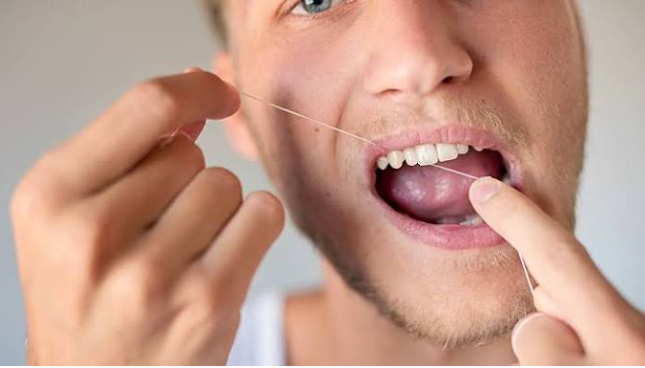
Plaque that sits between teeth leads to interdental cavities and gum disease. Cleaning between teeth once per day removes trapped debris and disrupts bacterial colonies before they calcify into hard tartar, which can only be removed by a dental professional.
Alternative Interdental Tools
If traditional string floss is difficult to manage, interdental brushes, floss picks, or water flossers offer effective alternatives that protect spaces between teeth.
3. Use Fluoride Toothpaste
Fluoride is a natural mineral that strengthens tooth enamel and protects against decay.
Re-mineralizing Enamel
Every day, enamel loses and gains minerals. Acids from food and bacteria strip minerals away, while fluoride replaces them, making teeth more resistant to acid attacks.
Choosing the Right Products
Look for toothpaste approved by recognized dental associations to ensure it contains adequate fluoride levels for proper protection.
4. Limit Sugary and Acidic Foods
Bacteria inside the mouth feed on sugars from food and drinks, producing acids that erode enamel and create cavities.
Frequency versus Quantity
It is not just how much sugar is consumed, but how often. Constant snacking or sipping on sugary sodas, juices, or sweet tea keeps teeth under continuous acid attack throughout the day.
Healthy Swaps
Opt for water, plain milk, crunchy vegetables, and nuts. Crunchy produce like apples and celery stimulates saliva production, helping to clean tooth surfaces naturally.
5. Drink Plenty of Water Throughout the Day
Water is the simplest and most effective tool for maintaining a clean, healthy mouth.
Rinsing Away Debris
Drinking water after meals washes away lingering food particles and dilutes acids produced by oral bacteria.
Supporting Saliva Production
Staying hydrated ensures the body produces enough saliva. Saliva contains calcium and phosphate, which nourish enamel and act as a natural defense system against decay.
6. Protect Teeth from Wear and Damage
Physical trauma can ruin healthy teeth instantly, resulting in expensive repair bills.
Avoid Using Teeth as Tools
Never use teeth to open packages, crack nuts, or tear tape. This places extreme pressure on edges, causing chips and fractures.
Wear a Nightguard
If morning jaw soreness or worn teeth indicate night grinding, using a custom mouthguard protects enamel from severe friction.
For individuals who have already lost natural teeth due to wear or past decay, exploring dental implants in Harrisonburg, VA offers a reliable way to restore full functional strength and protect remaining natural jawbone structures.
7. Replace Your Toothbrush Regularly
An old, frayed toothbrush cannot clean teeth effectively and can harbor bacteria.
The Three-Month Rule
Replace toothbrushes or electric brush heads every three months, or sooner if the bristles become frayed or bent. Frayed bristles press improperly against gums and fail to remove plaque.
After Illness
Always swap out a toothbrush after recovering from a cold, flu, or oral infection to prevent reintroducing bacteria into the mouth.
By adopting these seven practical daily habits, individuals can avoid painful complications, protect their natural teeth, and keep dental care costs low over a lifetime.