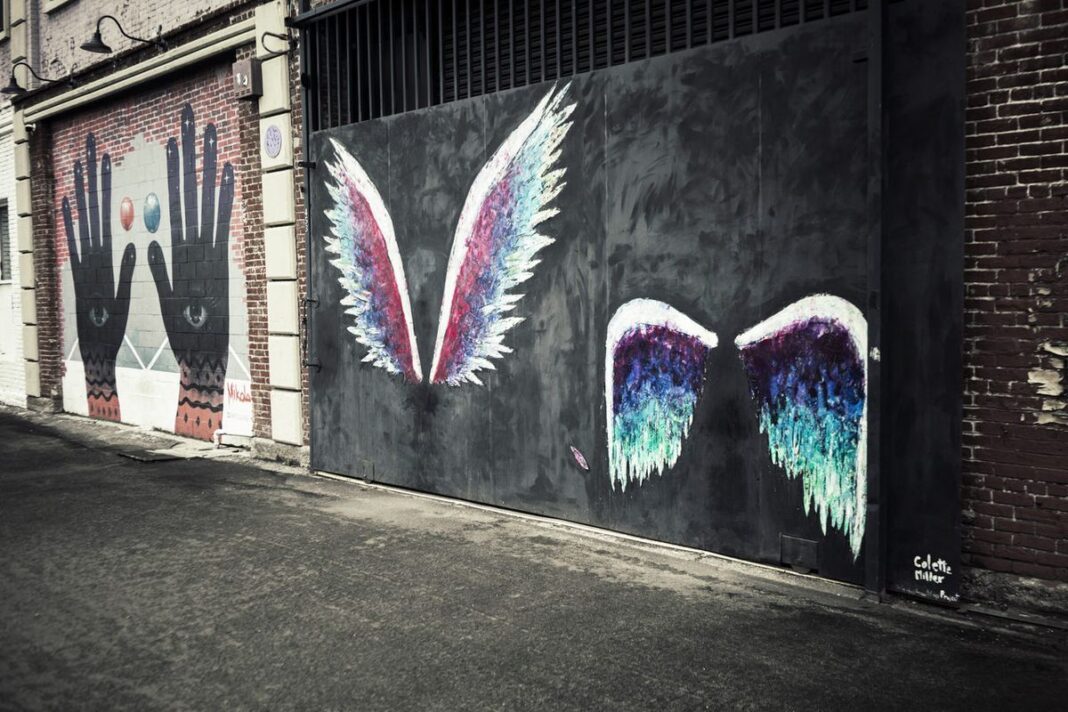

Nestled in the heart of Los Angeles lies a vibrant tapestry of history, culture, and artistry—the Great Wall of Los Angeles. More than just a mural, this monumental installation captures the essence of California’s diverse communities through stunning visuals that tell stories often overlooked. Stretching over half a mile along the Tujunga Wash, it invites both locals and visitors to immerse themselves in its rich narrative. As you walk alongside this remarkable artwork, you’ll discover not only its beauty but also the powerful messages woven into every stroke. Join us as we delve deeper into what makes the Great Wall of Los Angeles an iconic landmark worth exploring.
History of the Great Wall of Los Angeles
The Great Wall of Los Angeles is more than just a mural; it’s a historical timeline. Created in the 1970s, this massive artwork sprawls across a concrete flood control channel in the San Fernando Valley.
The project began as part of an initiative led by artist Judy Baca. She envisioned it as a way to tell stories often overlooked in traditional history lessons.
The painting spans over half a mile and showcases key events from California’s past, focusing on diverse communities and their contributions. This narrative approach was revolutionary for its time.
Initially funded through community grants and collaborations, the wall soon became an integral part of Los Angeles’ art landscape, attracting attention from locals and visitors alike. The Great Wall not only transformed an ordinary space but also sparked discussions about identity and representation within society.
The Artist Behind the Great Wall: Judy Baca
Judy Baca is a pivotal figure in the creation of the Great Wall of Los Angeles. As an artist and activist, she has dedicated her life to exploring themes of cultural identity and social justice through her work.
Baca’s vision for the mural was ambitious. She aimed to tell the stories often overlooked in mainstream narratives. With a focus on marginalized communities, she infused the wall with historical significance.
Working alongside youth from diverse backgrounds, Baca fostered collaboration and empowerment. This approach not only brought authenticity to the mural but also engaged local voices in its creation.
Her commitment extends beyond art; it’s about shaping dialogue around history and community pride. Through Baca’s lens, viewers are invited to reflect on their own identities within this vibrant tapestry of Los Angeles culture.
Symbolism and Themes in the Mural
The Great Wall of Los Angeles is a vibrant tapestry that tells the story of California’s diverse communities. Each section unfolds layers of history, reflecting cultural pride and resilience.
Colorful imagery represents struggles and triumphs. From indigenous heritage to modern-day challenges, these themes resonate deeply with those who view them.
Figures like immigrants embody hope and perseverance. The mural captures their journeys—often marked by hardship yet driven by dreams.
Nature elements, such as flora and fauna, symbolize growth amidst adversity. They remind us that beauty can emerge from struggle.
In creating this visual narrative, Judy Baca invites viewers to engage with the past while contemplating their role in shaping the future. Each brushstroke serves as a call for unity and understanding among different cultures within Los Angeles.
Impact on the Community and Art Scene
The Great Wall of Los Angeles has undeniably transformed the local community. It serves as a canvas that tells the stories of diverse cultures, bridging gaps between various ethnic groups.
Residents take pride in this monumental piece of art. Its vibrant colors and intricate designs have inspired countless conversations about heritage and identity. Schools often organize field trips here, integrating art into educational experiences.
Artists from near and far flock to the wall for inspiration, sparking creativity throughout the city. The mural has become a living gallery where new works can emerge alongside Judy Baca’s original vision.
Moreover, it has fostered community events such as mural tours and workshops, encouraging collaboration among artists and residents alike. This interaction nurtures not only artistic growth but also fosters deeper connections within the neighborhood.
As a result, the Great Wall stands not just as an artwork but as a dynamic force in shaping Los Angeles’ cultural landscape.
Controversy Surrounding the Great Wall
The Great Wall of Los Angeles has not been without its share of controversy. While many celebrate it as a monumental work, others question its portrayal of historical events. Critics argue that some depictions oversimplify complex narratives or ignore certain perspectives.
Additionally, debates have arisen over the wall’s maintenance and preservation. As urban development continues to encroach on public artworks, concerns about funding for repairs and restoration persist. Community members often rally to protect this cultural treasure from neglect.
Tensions sometimes flare between local artists who wish to contribute new elements and those advocating for the integrity of Baca’s original vision. The dialogue surrounding these issues reveals deep-seated feelings about representation in art and history.
As the mural ages, conversations around it evolve. These discussions reflect broader societal struggles related to identity, heritage, and artistic expression within an ever-changing landscape.
Preserving and Protecting the Great Wall for Future Generations
Preserving the Great Wall of Los Angeles is crucial for future generations. This vibrant mural embodies not just art, but a rich history and cultural narrative.
Efforts are underway to maintain its integrity against environmental wear and urban development. Local organizations rally together to ensure that restoration funds are available. Engaging the community in these efforts fosters a sense of ownership and pride.
Education plays a vital role as well. Schools incorporate lessons about the mural’s significance into their curriculums, inspiring young minds to appreciate this landmark.
Art enthusiasts also contribute by organizing events that promote awareness. These initiatives amplify voices advocating for preservation while celebrating local artistry.
Through collective action, the legacy of the Great Wall can endure, becoming a symbol of resilience and community spirit for years to come. The past informs our present; we must safeguard it with care.
Conclusion
The Great Wall of Los Angeles stands as a monumental testament to the power of art and storytelling. It encapsulates the diverse history and rich culture of Los Angeles, inviting viewers to reflect on their own narratives. As an iconic piece created by Judy Baca, it brings together community voices in an effort to bridge divides.
Over the years, this mural has not only enhanced the artistic landscape but also fostered dialogue within neighborhoods. Its vibrant colors and powerful imagery serve as reminders of struggles faced and victories won. However, controversies have emerged surrounding its interpretation and preservation, highlighting the need for ongoing discussions about cultural representation.
Efforts are underway to protect this historical treasure for future generations. Community activists continue advocating for its maintenance while ensuring that it remains accessible to all who wish to experience its beauty.
With each brushstroke telling a story, the Great Wall of Los Angeles is more than just a mural; it’s a living narrative woven into the fabric of America’s cultural tapestry. Embracing both history and hope, it invites everyone to appreciate where we’ve been and encourages us toward where we can go next.