


Understanding Mortgages: An Overview
A mortgage represents a critical vehicle for individuals seeking to finance the purchase of a home. At its core, a mortgage is a loan specifically designed to facilitate the acquisition of real estate, where the property itself serves as collateral. This arrangement allows borrowers to purchase homes without requiring the full purchase price in cash upfront. Mortgages play a pivotal role in the housing market, enabling a broader segment of the population to attain homeownership—a cornerstone of personal and financial stability.
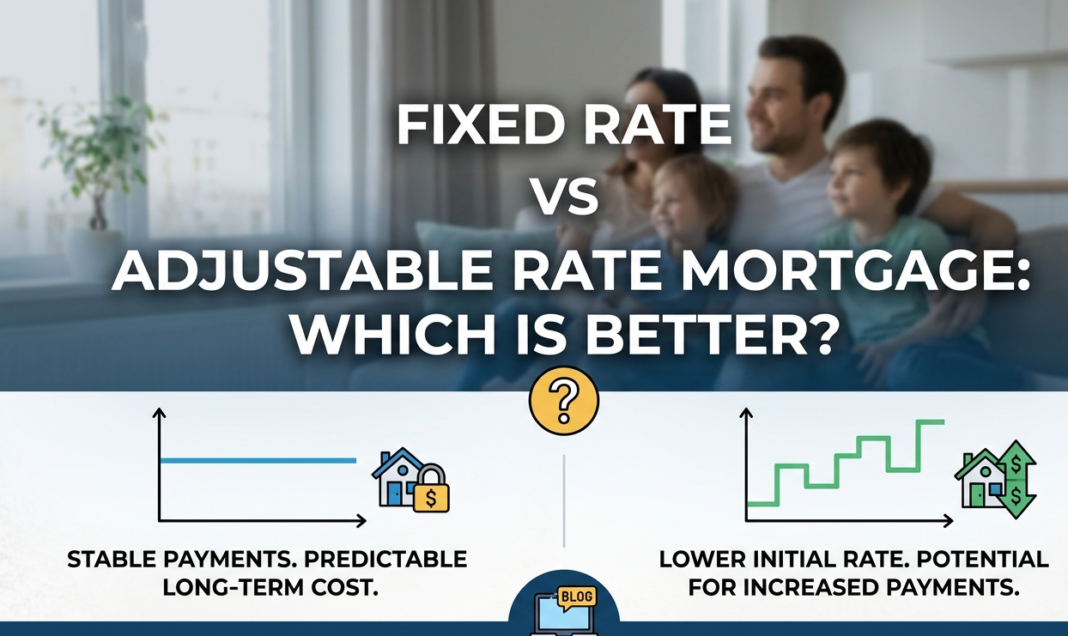
There are several types of mortgages available to potential homeowners, each tailored to meet varying financial needs and preferences. The two predominant categories are fixed-rate and adjustable-rate mortgages. A fixed-rate mortgage features a consistent interest rate throughout the life of the loan, providing predictability in monthly payments. This stability appeals to many borrowers, particularly those who plan to stay in their homes for an extended period. The unwavering interest rate safeguards the homeowner from fluctuations in the market, ensuring that payments remain manageable over time.
In contrast, adjustable-rate mortgages (ARMs) offer an interest rate that may change periodically, reflecting prevailing market conditions. Often, ARMs start with a lower interest rate than fixed-rate mortgages, which can lead to initial cost savings for homeowners. However, these rates can increase after a predetermined period, resulting in potentially higher monthly payments. While ARMs may initially seem attractive, they introduce a degree of uncertainty, as future payment adjustments can be challenging to predict, depending on the broader economic climate.
What is a Fixed-Rate Mortgage?
A fixed-rate mortgage is a type of home loan characterized by a constant interest rate throughout the life of the loan. This stability allows borrowers to predict their monthly payments, facilitating long-term financial planning and budgeting. Unlike other mortgage types, such as adjustable-rate mortgages (ARMs), fixed-rate mortgages do not fluctuate with market conditions. This means that even as interest rates rise in the future, the borrower remains unaffected, enjoying a consistent payment schedule.
One of the primary benefits of fixed-rate mortgages is the predictability they offer. Homeowners can plan their finances without worrying about unexpected changes in their monthly obligations, making it easier to manage overall household expenses. This feature is particularly advantageous for those who prefer stability in their financial commitments, especially in times of economic uncertainty when interest rates may be volatile.
However, there are some potential drawbacks associated with fixed-rate mortgages. Generally, they come with higher initial interest rates when compared to some adjustable-rate mortgage options. As a result, homebuyers may face higher monthly payments at the outset, which can be a consideration for those on a strict budget. Furthermore, if interest rates decline after a borrower has locked in a fixed rate, they may miss out on potential savings available through lower-rate mortgages. Therefore, while fixed-rate mortgages provide numerous benefits in terms of stability and predictability, potential borrowers should weigh these advantages against the initial costs and possible market changes before making their choice.
What is an Adjustable-Rate Mortgage?
An adjustable-rate mortgage (ARM) is a type of home loan where the interest rate is not fixed but fluctuates over time based on market conditions. Unlike a fixed-rate mortgage, which maintains a constant rate for the entire loan term, an ARM typically begins with a lower interest rate for an initial fixed period. This period can range from a few months to several years, providing borrowers with the opportunity to enjoy lower monthly payments during the initial term.
After the initial phase, the interest rate on an adjustable-rate mortgage adjusts at predetermined intervals. Common adjustment periods are annually, but they can also be semi-annually or biannually. At each adjustment, the interest rate is recalibrated based on a specified financial index, which reflects current market conditions. Each ARM also comes with caps, limiting how much the interest rate can increase during each adjustment period and over the life of the loan. These caps help protect borrowers from significant interest hikes that could lead to unaffordable monthly payments.
One of the primary advantages of an ARM is the potential for lower initial rates than their fixed-rate counterparts. This can make homeownership more accessible for borrowers who might benefit from lower upfront costs. Furthermore, should market conditions remain favorable, homeowners could continue to enjoy lower interest rates for an extended period. However, there are also notable risks associated with adjustable-rate mortgages. If interest rates rise significantly, borrowers may face substantial increases in their monthly payments after the initial fixed period ends, which can strain their financial situations.
Key Factors to Consider When Choosing Between Fixed and Adjustable Rates
When contemplating a mortgage, it is crucial to assess several key factors that can influence your decision between a fixed rate and an adjustable rate mortgage (ARM). These factors include your time horizon in the home, tolerance for risk, current market conditions, and personal financial situations.
Your time horizon in the home plays a significant role in determining which mortgage type may suit you best. If you plan to stay in the home for a long duration, a fixed-rate mortgage may provide stability, shielding you from the potential increases in monthly payments associated with ARMs. Conversely, if you foresee relocating within a few years, an ARM could be financially advantageous, as it typically offers lower initial rates.
The second factor to consider is your tolerance for risk. Fixed-rate mortgages offer predictable payments that remain constant throughout the loan’s term, making them appealing for those who prefer stability. On the other hand, adjustable-rate mortgages carry the risk of fluctuating payments based on market conditions. Understanding your comfort level with such risks is essential in making the right choice.
Additionally, keeping an eye on current market conditions can greatly inform your decision. If interest rates are historically low, locking in a fixed rate could be beneficial. In contrast, assessing the likelihood of interest rate increases can help evaluate whether an ARM might be more advantageous in the short term. It’s wise to follow economic trends and forecasts to gain insights into potential rate movements.
Lastly, your personal financial situation—including your credit score, income stability, and long-term financial goals—should significantly influence your choice. A strong credit score may allow access to favorable terms with either mortgage type, while your overall financial health will impact your capability to handle potential fluctuations.
By carefully weighing these factors, you can make a more informed choice between a fixed-rate or adjustable-rate mortgage, aligning your decision with your financial stability and future plans.
Pros and Cons of Fixed-Rate Mortgages
Fixed-rate mortgages are a popular option for many homebuyers due to their inherent stability and predictability. One of the primary benefits of a fixed-rate mortgage is the assurance of consistent monthly payments over the life of the loan. This stability can facilitate long-term budgeting, allowing homeowners to plan their finances without the uncertainty of fluctuating interest rates.
Another advantage of fixed-rate mortgages is their simplicity. For borrowers, understanding the terms of a fixed-rate loan is generally straightforward. There are no surprises regarding monthly payments, making it easier for individuals to manage their budgets and calculate long-term expenses. This can be especially beneficial for first-time homebuyers who may not be familiar with the complexities of mortgage options.
However, fixed-rate mortgages also come with some drawbacks. A significant disadvantage is their inflexibility in a declining interest rate environment. If interest rates fall after a borrower has locked in a fixed rate, they may miss out on opportunities to refinance at a lower rate, thus potentially paying more over the life of the loan. Additionally, fixed-rate mortgages typically have higher initial costs compared to some adjustable-rate products. This can deter potential buyers who may prefer lower initial payments or wish to allocate their funds elsewhere.
In summary, while fixed-rate mortgages offer benefits such as stability, straightforwardness, and predictable budgeting, these advantages must be weighed against the disadvantages, including inflexibility during periods of declining interest rates and higher upfront costs. Understanding these pros and cons is crucial for potential buyers when considering their mortgage options.
Pros and Cons of Adjustable-Rate Mortgages
Adjustable-rate mortgages (ARMs) have gained popularity due to their unique structure that sets them apart from fixed-rate options. One of the primary advantages of ARMs is the potential for lower initial interest rates compared to their fixed-rate counterparts. Borrowers can benefit from these lower rates in the early years of their loan, often resulting in reduced monthly payments and significant savings. This feature can make homeownership more accessible, particularly for first-time buyers and those with tighter budgets who require lower initial costs.
Moreover, ARMs often provide flexibility regarding the length of time for which the initial rate is guaranteed. For many borrowers, this can be particularly advantageous if they plan to relocate or refinance before the adjustment period begins, allowing them to fully leverage the benefits of a lower rate without the associated long-term risks.
However, the very nature of ARMs introduces uncertainties that potential borrowers should consider. Once the initial fixed period expires, interest rates may adjust according to market fluctuations, which can lead to significantly higher monthly payments. This uncertainty can be stressful for homeowners, especially in periods of rising interest rates. Furthermore, for individuals on a fixed income or those with tight budgets, these increases can strain personal finances and complicate long-term financial planning.
In conclusion, while adjustable-rate mortgages offer potential advantages such as lower initial rates and monthly savings, they also come with risks and uncertainties tied to future payment adjustments. Borrowers must weigh the immediate financial benefits against the potential impact of fluctuating rates to make a well-informed decision regarding their mortgage options.
Market Trends and Interest Rates: Their Impact on Your Decision
When deciding between a fixed-rate mortgage and an adjustable-rate mortgage, it is crucial to consider current market trends and interest rates. These financial indicators profoundly influence borrowing costs and can ultimately determine which mortgage type is more beneficial based on individual circumstances. Fixed-rate mortgages provide stability through consistent monthly payments over the loan’s life, making them appealing during periods of rising interest rates. Conversely, adjustable-rate mortgages offer lower initial rates that can fluctuate, which might be attractive in a declining interest rate environment.
Economic indicators, such as inflation rates, unemployment rates, and housing market conditions, provide context for understanding interest rate movements. For instance, if inflation is expected to rise, the Federal Reserve may increase interest rates to control buying power, resulting in higher fixed mortgage rates. Potential borrowers should pay close attention to these economic signals and expert forecasts when making their decision.
Moreover, consulting financial experts and leveraging tools like mortgage calculators can help clarify the implications of choosing between fixed and adjustable rates based on current market dynamics. For instance, if current rates are at historical lows, locking in a fixed rate may secure long-term savings. On the other hand, if predictions suggest rates will stabilize or decrease, an adjustable-rate mortgage might yield savings in the early years.
Ultimately, the choice between a fixed-rate and adjustable-rate mortgage depends on one’s financial situation, risk tolerance, and understanding of market trends. Keeping abreast of fluctuations in interest rates and changes in the economy will empower borrowers to make informed decisions tailored to their needs.
Scenarios Where One Might Be Preferable Over the Other
Choosing between a fixed-rate mortgage and an adjustable-rate mortgage (ARM) depends on various financial situations and individual objectives. One scenario where a fixed-rate mortgage shines is for borrowers who value stability and plan to stay in their home for a long time. For example, a family purchasing their forever home may prefer a fixed-rate option to lock in a stable interest rate over 30 years, ensuring predictable monthly payments even in fluctuating economic conditions.
Conversely, an adjustable-rate mortgage may be more appealing to homebuyers who anticipate moving within a few years or foresee a significant increase in income. For instance, a young professional may opt for a 5/1 ARM, which offers a lower initial interest rate that adjusts after five years. This option could save the borrower considerable amounts on monthly payments during the initial period, allowing them to invest the difference elsewhere. However, they must be aware of potential rate increases that could lead to higher payments in the future.
Moreover, in scenarios where interest rates are expected to decrease, an ARM can be advantageous. As rates fall, the borrower’s payments may decrease as well, leading to even greater savings. On the other hand, if economic indicators suggest rising interest rates, securing a long-term fixed-rate mortgage could protect a borrower from escalating payments. This strategic choice reflects the importance of analyzing market conditions and personal financial goals.
Overall, understanding the implications of each mortgage type is crucial for making an informed decision. Evaluating factors such as the expected duration of homeownership, income growth projections, and prevailing interest rate trends will help determine the ideal mortgage solution tailored to individual circumstances.
Conclusion: Making an Informed Decision
When considering the choice between a fixed-rate and an adjustable-rate mortgage, it is essential to reflect on several key factors that can impact your financial future. As outlined in the preceding sections, fixed-rate mortgages offer consistent monthly payments, providing stability and predictability over the loan term. This can be particularly appealing for individuals who prioritize long-term financial planning and wish to avoid the uncertainties associated with fluctuating interest rates. On the other hand, adjustable-rate mortgages (ARMs) often start with lower initial interest rates that may lead to significant savings, especially in the early years of the mortgage. However, the potential for rate adjustments adds a level of risk that borrowers must carefully evaluate.
It is crucial to assess your unique financial circumstances, including your current financial situation, future income projections, and how long you intend to stay in the property. Consideration of market trends and potential changes in interest rates can also play a significant role in your decision-making process. While fixed-rate options provide security, adjustable-rate options may be suited for those who can manage the variability in their mortgage payments.
Ultimately, thorough research and self-assessment are fundamental in arriving at the most suitable mortgage type for your needs. Consulting with a financial advisor can further guide you in understanding the nuances of both fixed-rate and adjustable-rate mortgages, ensuring a well-informed choice tailored to your financial aspirations. Taking the time to make an educated decision is invaluable for your long-term financial health.