


Understanding the Importance of Smart Storage
In today’s fast-paced world, maximizing small living spaces has become increasingly important. Smart storage solutions play a crucial role in converting cramped areas into functional and organized environments. The necessity for effective storage arises primarily from the desire to reduce clutter, which can lead to a more serene atmosphere. By integrating thoughtful storage options, individuals can reclaim lost space and consequently, enhance their living experience.
Effective storage strategies not only help in decluttering but also facilitate the optimal use of available space. For instance, implementing multifunctional furniture, such as ottomans or coffee tables with built-in storage, allows residents to store items out of sight while maintaining accessibility. Utilizing vertical space through shelves and cabinets can also contribute significantly to organization. This vertical approach maximizes storage potential without compromising floor space, making small areas feel more open and inviting.
Moreover, a well-organized environment can have profound psychological benefits. Studies indicate that individuals who live in tidy spaces often experience lower stress levels and improved focus. Disorganization can lead to feelings of anxiety and overwhelm, making it difficult to concentrate and be productive. Conversely, when storage solutions are efficiently employed, people can enjoy a clutter-free environment that fosters peace of mind and encourages positive mental well-being.
Overall, smart storage is essential for anyone living in small spaces. It contributes to a more functional setting by enhancing organization, reducing clutter, and improving psychological health. The right storage strategies enable homeowners and renters alike to make the most of their limited square footage, thereby cultivating a more harmonious living experience.
Assessing Your Space: Inventory and Needs
To effectively maximize small spaces, the first step involves a thorough assessment of your current environment. Begin by performing an inventory of all items within the area, noting what you possess and how it is currently organized. This process makes it easier to identify items that are essential as well as those that may be surplus to requirements. Take the time to evaluate each piece, asking yourself questions of necessity, frequency of use, and sentimental value.
Decluttering plays a crucial role in effective space management. As you go through your belongings, consider adopting the “one in, one out” rule, which encourages the removal of an item whenever another is acquired. This practice not only facilitates an organized environment but also prevents accumulation of unnecessary items. Items that are out of season, broken, or have lost their functional appeal should be classified for disposal or donation, thereby creating a streamlined inventory.
Once decluttering is complete, prioritize the remaining items based on usage and importance. Frequently used items should be easily accessible, while infrequently used belongings can be stored in less accessible areas. This approach ensures that essential items are front and center, minimizing the time spent searching for frequently used tools or possessions. Consider the layout of your living space, and think about innovative storage solutions that can accommodate your prioritized possessions. Examples may include vertical shelving, under-bed storage, or multifunctional furniture that provide additional space-saving options.
This inventory process not only aids in identifying effective storage solutions but also sets the foundation for a more organized space. By carefully assessing your inventory and understanding your needs, you can create a functional environment that accommodates your lifestyle in a small area.
Utilizing Vertical Space Effectively
Maximizing vertical space is a critical consideration in small living areas, as it enables homeowners to take advantage of often overlooked areas. By incorporating adequate shelving solutions, utilizing hooks, and employing wall-mounted organizers, one can significantly enhance storage capacity.
Shelving units provide an excellent way to elevate storage from floor to ceiling. For instance, in kitchens, open shelving can be used to store dishes and spices while also serving as a decorative element. Consider installing floating shelves above countertop spaces, which allow for functional storage without sacrificing aesthetic appeal. This approach is not only practical but also creates a sense of openness by drawing the eye upward.
In living rooms, wall-mounted shelves can display books, plants, or decorative items, effectively utilizing the vertical space without cluttering surfaces. This also allows the floor to remain clear, enhancing the perception of size in the room. To further optimize this area, one might consider the installation of tall bookcases, which can offer a striking visual impact while maximizing storage capacity.
When it comes to bedrooms, wall hooks and pegboards present innovative storage solutions. They can hold everything from hats to bags, contributing to an organized environment. Additionally, using under-bed vertical storage bins can help utilize the height available, ensuring that seasonal items or out-of-season clothing is easy to access yet stored compactly.
Furniture such as tall dressers or cabinets can also play a role in maximizing vertical storage effectively. These pieces can provide multiple drawers or shelves, enhancing both utility and space efficiency while complementing the existing decor. Overall, strategically using vertical space through these methods can lead to a more organized and visually appealing small living area.
Multifunctional Furniture: Two-in-One Solutions
In urban living spaces, where every square foot counts, the implementation of multifunctional furniture has become increasingly essential. This type of furniture not only serves a primary purpose but also provides additional functionality, allowing individuals to maximize their storage capabilities while maintaining an aesthetically pleasing environment. From ottomans with hidden compartments to sofas that effortlessly convert into beds, the options are vast and diverse.
Consider, for instance, the versatile ottoman, which can serve as both a footrest and a storage unit. Many contemporary designs feature lift-tops or hollow interiors, making them an excellent solution for storing blankets, books, or seasonal items, thereby eliminating clutter while keeping the space tidy. Similarly, coffee tables that double as storage units can be incredibly beneficial. With designs that allow for lifting or sliding panels, they provide easy access to items that might otherwise occupy valuable drawer space elsewhere.
Additionally, the concept of a sofa bed is another prime example of multifunctional furniture at work. In smaller homes or studios, these adaptable pieces can transform a living room into a comfortable sleeping space for guests without the need for extra furniture. This dual-purpose functionality not only conserves space but also can significantly reduce the need for excessive furnishings, all while ensuring that one does not have to compromise on style.
By incorporating such smart solutions into a limited area, residents can achieve a seamless blend of utility and design. Multifunctional furniture therefore not only enhances day-to-day living experiences but also exemplifies how thoughtful design can transform small spaces into comfortable, efficient homes.
Creative Under-Bed Storage Solutions
The area under the bed is often underutilized, yet it presents a valuable opportunity to store various items while keeping them out of sight. By implementing innovative under-bed storage solutions, one can enhance the functionality of a small space remarkably.
One effective method is to use storage bins that slide easily under the bed. Opting for clear, stackable bins allows for easy visibility and access to items, making it simpler to find what you need without rummaging through multiple containers. Consider using bins of varying sizes to accommodate different types of items, from seasonal clothing to shoes.
Another practical option is to utilize under-bed drawers. These drawers can be purchased or custom-made to fit the specific height and length of your bed frame. They not only maximize the use of this wasted space but also offer a more organized approach in storing belongings. By keeping similar items together in designated drawers, one can maintain a clutter-free environment.
For those who prefer flexibility and mobility, rolling carts can serve as an ideal under-bed storage solution. These carts provide the benefit of easy access, as they can be pulled out completely when needed. Additionally, they can often accommodate a variety of items, including craft supplies, books, or even luggage. When selecting a rolling cart, ensure that it is low enough to fit comfortably under the bed while still being sturdy enough to hold the intended items.
In conclusion, utilizing the under-bed space through bins, drawers, or rolling carts not only helps in maximizing storage but also contributes significantly to keeping a small area organized. By considering access and organization, one can efficiently tailor this often-overlooked space to meet individual storage needs.
Overhead Storage Options: Cabinets and Racks
Maximizing storage in small spaces often requires creative solutions, and overhead storage presents an excellent opportunity to reclaim valuable floor space. By utilizing high cabinets and ceiling-mounted racks, homeowners can effectively store items that are not frequently used, while keeping essential items within reach. This article will explore various benefits and practical applications of overhead storage systems.
High cabinets are a practical choice for overhead storage. They offer ample space for items such as seasonal decorations, extra kitchenware, or even books. Installing cabinets that reach up to the ceiling not only utilizes vertical space efficiently but also creates a streamlined appearance in a room. It is crucial, however, to consider the weight capacity of the cabinets, and proper installation is vital to ensure safety and durability. For easier access to items stored in high cabinets, consider incorporating pull-down shelves or ladders.
Ceiling-mounted racks are another innovative option for maximizing small space storage. These racks can be installed in various areas around the home, including garages, kitchens, or utility rooms. They are ideal for storing bulk items, such as bicycles, luggage, or even tools, which can free up floor space and reduce clutter. While utilizing ceiling-mounted racks, it is essential to adhere to weight guidelines suggested by the manufacturer and to ensure that items are securely fastened to prevent accidents.
To keep items organized and easily accessible, use bins or labels when storing them overhead. This way, locating the items will be less of a hassle, and you can maintain an orderly environment. Incorporating overhead storage not only helps declutter your space but also enhances the aesthetic appeal of a room by creating a more open and spacious feeling. With thoughtful planning, high cabinets and ceiling-mounted racks offer versatile and safe storage solutions for small spaces.
Incorporating Built-In Storage Solutions
In small spaces, employing built-in storage solutions can significantly enhance functionality while maintaining aesthetic appeal. Custom built-ins, such as shelves and cabinetry, offer homeowners the opportunity to utilize every inch of available space. These tailored solutions can be crafted to fit the dimensions of a room, blending seamlessly with existing architectural elements and creating a cohesive design.
One of the prominent benefits of built-in storage is the ability to transform awkward corners or alcoves into practical storage areas. For instance, nook cabinets can nestle into otherwise unusable recesses, providing a spot for items that might otherwise clutter a living area. This not only maximizes storage potential but also contributes to a cleaner and more organized environment.
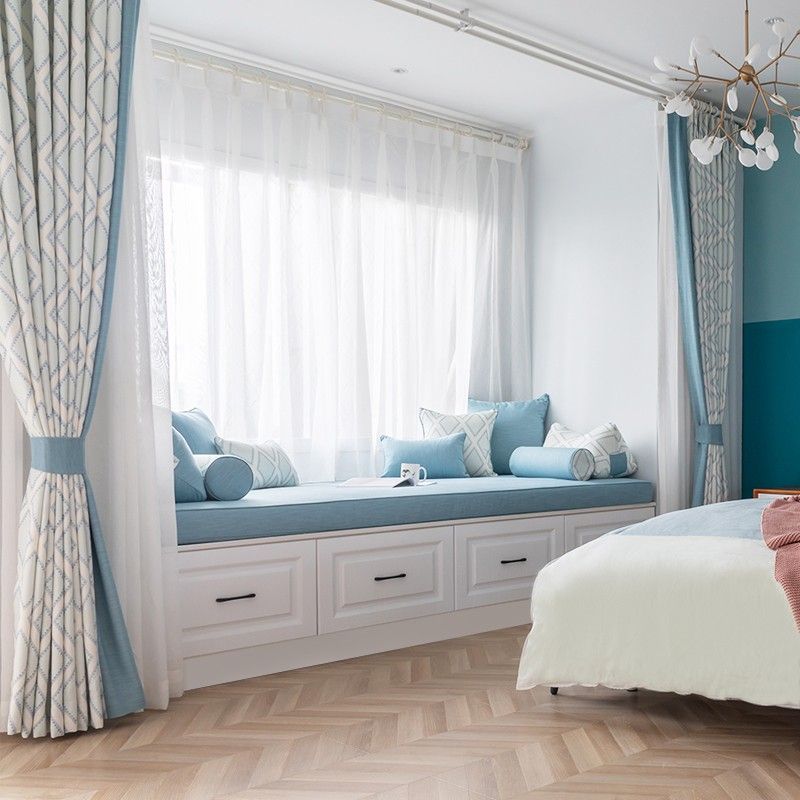
Additionally, benches with built-in storage are an excellent choice for areas such as entryways or living rooms. These multi-functional pieces invite seating while offering concealed space for shoes, blankets, or other items, efficiently minimizing disorder in frequently used areas. The use of these furniture solutions ensures that small spaces are both stylish and practical.
Moreover, built-in shelving can be designed to accommodate specific needs, catering to the interests of homeowners whether for showcasing books, decorative pieces, or everyday necessities. This approach allows swift access to frequently used items while keeping everything neat and user-friendly. By implementing built-in storage solutions, residents of small spaces can retain their style while achieving optimal storage efficiency.
In summary, the integration of built-in storage solutions not only contributes to enhanced organization but also promotes a refined aesthetic in compact living areas, ultimately elevating the function and feel of any space.
Innovative Storage Solutions for Specific Rooms
When dealing with small living spaces, it is important to tailor storage solutions to meet the specific needs of each room, such as the kitchen, bathroom, and home office. Each of these areas presents unique challenges that can often be resolved with innovative organization strategies.
In the kitchen, consider utilizing vertical space by installing shelves above countertops or using wall-mounted racks to keep utensils and pots within arm’s reach. Magnetic strips can also be an efficient solution to hold metal utensils, freeing up drawer space for other items. Furthermore, pull-out cabinets can maximize corner spaces, allowing easy access to pots and pans while maintaining a tidy appearance.
For the bathroom, under-sink storage is often underutilized. Using tiered shelving or stacking bins can create additional levels of organization, enabling users to store beauty products, towels, and cleaning supplies. Additionally, wall-mounted organizers can help keep essentials off the countertop, maintaining a decluttered look within the space. Over-the-door hooks and racks can also be an efficient use of otherwise wasted door space.
In the home office, optimizing desk space is critical. Utilizing multi-functional furniture, such as a desk with built-in shelves, can significantly increase storage capacity without sacrificing floor space. Another helpful strategy is to use cable management solutions that neatly tuck away wires and cords, preventing an unorganized appearance. Moreover, wall organizers, such as floating shelves or pegboards, can keep office supplies visible and easily accessible, enhancing both efficiency and aesthetics.
By employing these innovative storage solutions tailored for specific rooms, individuals can effectively maximize their small spaces. Each room’s unique characteristics should guide the selection of storage methods, ensuring that clutter is minimized while functionality is maximized.
Maintaining Order: Tips for Long-Term Organization
Maintaining an organized and clutter-free space, particularly in smaller areas, requires intentional effort and strategic planning. One of the first steps in achieving long-term organization is to establish a routine decluttering schedule. This could be as simple as dedicating a specific time each month to assess belongings and remove items that are no longer needed. By regularly reviewing your possessions, you can prevent clutter from accumulating and ensure that your space remains functional.
In addition to routine decluttering, it is also important to re-evaluate your storage solutions periodically. What may have worked well in the past might not be as effective over time, especially as your lifestyle or needs change. For instance, if a particular storage unit becomes overcrowded consistently, it might be worth considering downsizing or redistributing items to better suit your current usage. Regularly assessing storage options allows you to adapt and maintain an efficient organizational system.
Furthermore, changing habits and implementing new strategies can significantly impact your ability to keep spaces maximized. This can include adopting the one-in-one-out principle, where for every new item you bring into your home, you remove an old item. This practice not only helps in minimizing clutter but also encourages mindful purchasing decisions. Another effective habit is to designate specific areas for frequently used items, ensuring that everything has its place and can be easily accessed.
Ultimately, maintaining order in small spaces is an ongoing process that requires commitment and adjustment. By integrating routine decluttering, evaluating storage solutions, and adopting practical habits, you can create and preserve a maximized and functional environment. These small yet impactful adjustments will contribute to an organized living space that remains both aesthetically pleasing and practical over time.