
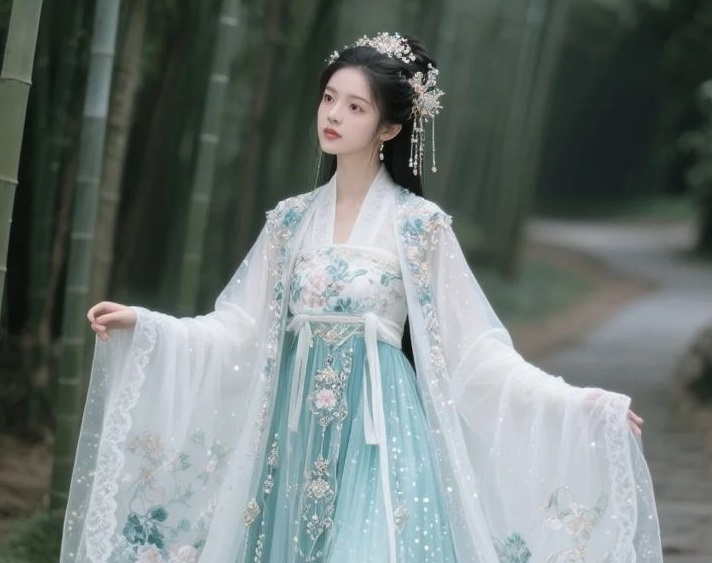


When you think of Asian traditional clothing, vibrant colors and intricate designs come to mind. Each piece tells a story that reflects the rich cultural heritage of its region. From flowing silks to ornate embroidery, these garments are more than just fabric; they embody centuries of history, artistry, and identity.
Asia is home to an incredible variety of traditional attire that varies not only by country but also by purpose and occasion. Whether it’s celebrating festivals or marking important life events, these outfits hold deep significance for those who wear them.
Let’s explore some iconic examples from different parts of Asia. Discover how each garment represents a unique blend of culture, tradition, and style while still being celebrated in today’s modern world!
Chinese Traditional Clothing: Qipao and Hanfu
Chinese traditional clothing is rich in history and elegance, with the Qipao and Hanfu standing out as iconic representations.
The Qipao, also known as Cheongsam, exudes sophistication. This fitted dress often features a high collar and intricate patterns that celebrate Chinese culture. Originally worn by Manchu women, it has evolved to become a favorite among modern fashion enthusiasts.
On the other hand, Hanfu takes us back to ancient dynasties. Characterized by its flowing lines and layered garments, this attire showcases vibrant colors and elaborate designs. The loose-fitting style allows for comfort while reflecting deep cultural significance.
Both garments tell stories of tradition and identity. Whether it’s the graceful silhouette of a Qipao or the historical richness of Hanfu, each piece captures an essence that transcends time. They remind us how clothing can be much more than fabric; it’s a celebration of heritage.
Japanese Traditional Clothing: Kimono and Yukata
Japanese traditional clothing is best represented by the elegant kimono and the more casual yukata. The kimono, with its intricate designs and luxurious fabrics, has been a symbol of Japanese culture for centuries. Worn during important ceremonies or festivals, each piece tells a unique story through its patterns and colors.
Yukata, on the other hand, offers a lighter alternative for warmer months. Typically made from cotton, it features vibrant colors and simple patterns. This attire is often worn at summer festivals or while enjoying hanami—cherry blossom viewing parties.
Both garments are characterized by their distinct wrap-around style, secured with an obi belt. They embody Japan’s rich heritage, making them beloved choices among both locals and visitors alike. Wearing these outfits allows individuals to connect deeply with Japanese traditions while enjoying their beauty in modern contexts.
Korean Traditional Clothing: Hanbok and Jeogori
Korean traditional clothing, known for its vibrant colors and elegant lines, is beautifully represented by the hanbok. This attire showcases a distinctive silhouette with a high-waisted skirt called chima for women. The combination of flowing garments creates an enchanting look that has captivated many.
The jeogori is an essential part of the hanbok. It is the upper garment worn by both men and women, featuring intricate designs and patterns. Traditionally, it’s tailored to fit snugly at the waist while allowing freedom of movement.
Hanboks are often adorned during special occasions such as weddings or holidays like Chuseok and Seollal. Each color holds significance; bright hues symbolize joy and prosperity.
Wearing a hanbok not only connects individuals to their heritage but also fosters appreciation for Korea’s rich cultural history through fashion.
Indian Traditional Clothing: Sari and Salwar Kameez
Indian traditional clothing showcases a vibrant tapestry of culture and history. The sari, an iconic garment, is a long piece of fabric that drapes elegantly around the body. It can be styled in numerous ways, reflecting regional variations and personal tastes. Often adorned with intricate embroidery or bold patterns, the sari is celebrated for its versatility.
On the other hand, the salwar kameez offers comfort without sacrificing style. This two-piece outfit consists of a tunic (kameez) paired with loose-fitting trousers (salwar). Popular across various states in India, it comes in diverse fabrics and colors to suit any occasion.
Both garments are more than just attire; they carry stories of heritage and identity. Whether worn at weddings or festivals, Indian traditional clothing remains a symbol of grace and pride. Each fold and stitch speaks volumes about tradition while embracing contemporary flair.
Southeast Asian Traditional Clothing: Ao Dai and Sarong
Southeast Asia boasts a rich tapestry of traditional clothing that reflects its diverse cultures. Among these, the Ao Dai from Vietnam stands out for its elegance and grace. This fitted dress, typically worn over loose trousers, showcases intricate designs and vibrant colors. The Ao Dai is more than just attire; it symbolizes Vietnamese identity and tradition.
On the other hand, the Sarong is iconic in countries like Malaysia and Indonesia. This versatile garment can be wrapped around the waist or draped creatively across the body. Made from colorful fabrics adorned with unique patterns, each piece tells a story rooted in local culture.
Both garments highlight craftsmanship and artistry while offering comfort in tropical climates. Whether at celebrations or everyday life, they connect wearers to their heritage and showcase Southeast Asia’s cultural richness beautifully.
Conclusion
Asian traditional clothing is a vibrant tapestry woven from the diverse cultures and histories across the continent. Each garment tells a story, reflecting the values, artistry, and heritage of its people. From China’s elegant Qipao to Japan’s graceful Kimono, every piece carries significance that transcends generations.
The Hanbok of Korea showcases beautiful colors and shapes that celebrate nature. In India, the Sari drapes elegantly around women, symbolizing grace and femininity while the Salwar Kameez offers both comfort and style. Southeast Asia presents unique designs with garments like Ao Dai in Vietnam and Sarong in Indonesia that embody tradition blended with modern flair.
These pieces are more than just clothes; they are symbols of identity and pride for many communities. Understanding Asian traditional clothing enriches our appreciation for cultural diversity worldwide. Embracing these traditions allows us to honor their history while enjoying their beauty today.