


Most of us were never actually taught how to care for our intimate area. We picked up habits from ads, supermarket shelves, or well-meaning advice that often did more harm than good. The result? Irritation, dryness, recurring discomfort — and a shelf full of products that were never designed for the most delicate skin on our body.
So let’s start with the basics that gynecologists repeat every day, but that rarely make it into mainstream conversation.
First things first: vulva ≠ vagina
The single most important lesson in intimate care is anatomical. The vulva is the external part — the skin you can see and touch. The vagina is the internal canal, and here’s the key point: the vagina is a self-cleaning organ. It maintains its own delicate balance of bacteria and pH, and it should never be washed, rinsed, or douched — not even with plain water.
Everything you’ve ever read about “intimate washing” should apply exclusively to the vulva. When products are pushed inside, they disrupt the vaginal microbiome and can actually trigger the infections they claim to prevent.
Why ordinary soap is the wrong tool
The skin of the vulva is thinner and more permeable than skin elsewhere on the body, and it sits at a mildly acidic pH. Standard soaps and shower gels are typically alkaline and formulated with harsh surfactants that strip the natural lipid barrier. Once that barrier is compromised, the skin becomes tight, dry, and far more prone to redness, itching, and inflammation.
What the vulva actually needs is a gentle, pH-appropriate cleanser that respects both the lipid layer and the skin’s microbiome — ideally one with mild, plant-derived surfactants rather than aggressive foaming agents.
The three-step ritual gynecologists recommend
- Wash gently — outside only. Use lukewarm water and a small amount of a dedicated intimate wash on the vulva. Massage gently, rinse, and never scrub. Once a day is enough; over-washing is one of the most common causes of irritation.
- Dry thoroughly, with a clean towel. Moisture left in skin folds is an open invitation for irritation and fungal overgrowth. Ideally, keep a separate small towel just for intimate use and change it often — a simple habit that makes a surprising difference, especially if you’re prone to recurring irritation.
- Nourish and protect. Just like the skin on your face, vulvar skin benefits from care after cleansing. A natural balm can help maintain hydration, support the skin barrier, and ease dryness — something particularly relevant during pregnancy, postpartum recovery, hormonal therapy, and perimenopause, when dryness and sensitivity tend to peak.
Ingredients worth looking for (and avoiding)
When choosing intimate care products, the ingredient list matters more than the marketing. Look for:
- Prebiotics and fermented ingredients, which support the skin’s microbiome instead of stripping it
- Soothing botanicals such as centella asiatica (gotu kola), calendula, or St. John’s wort oil, traditionally used to calm irritation and support skin regeneration
- Mild glycolipid-based cleansers instead of sulfates
Avoid perfumed soaps, dyes, alcohol-heavy formulas, and anything marketed for “internal freshness” — that phrase alone is a red flag.
Consistency beats intensity
Here’s what dermatologists and gynecologists agree on: intimate skin health isn’t built by occasional intensive treatments, but by a simple routine done consistently. That’s why having your products in one place — organized, visible, ready — matters more than it sounds. A ritual you can actually stick to is worth more than the fanciest product forgotten at the back of a drawer.
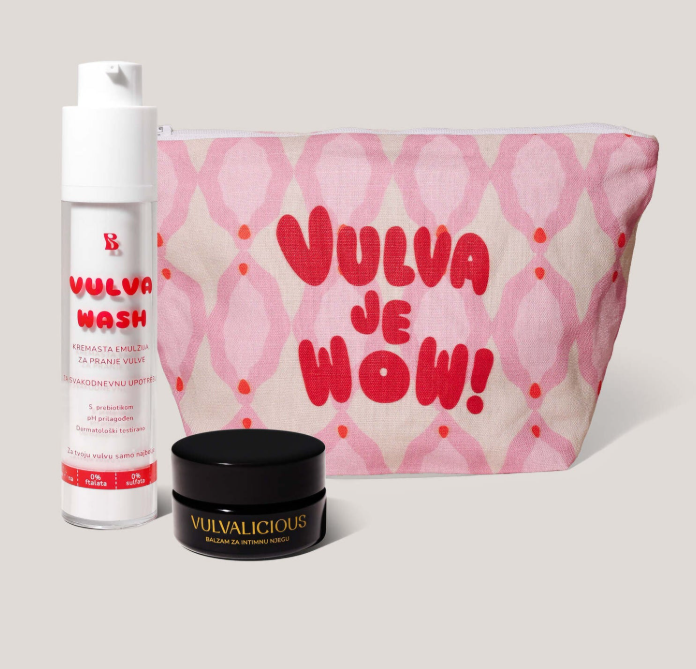
One example of this philosophy done well comes from the Croatian natural cosmetics brand Biljkoljupka, founded by certified clinical phytotherapist Martina Tuta. Their premium intimate set pairs a microbiome-friendly vulva wash with a gynecologist-recommended natural balm — the first Croatian intimate care product with both dermatological and gynecological safety certification — plus a dedicated soft cotton towel for intimate use, all packed in a cotton-linen pouch. It’s essentially the entire three-step ritual described above, systematized into one kit.
A quick note on patch testing
As with any cosmetic product — natural or not — do a patch test before first use: apply a small amount to your inner forearm and wait 24 hours. Sensitive skin deserves that extra caution.
The bottom line
Intimate care doesn’t need to be complicated, but it does need to be correct: wash only the vulva, skip harsh soaps, dry well with a clean towel, and nourish the skin afterward. Your body already does most of the work — your job is simply not to sabotage it.
And if there’s one thing to take away from this article, let it be this: the vagina cleans itself. The vulva deserves gentle, consistent, well-chosen care. Learn the difference, build the ritual, and your skin will thank you.
This article is for informational purposes only and is not a substitute for medical advice. If you experience persistent irritation, discharge changes, or discomfort, consult your gynecologist.