


Introduction to Esports
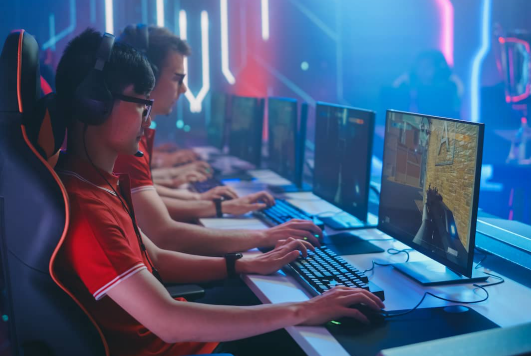
Esports, a term derived from “electronic sports,” refers to competitive video gaming where individuals or teams compete against each other in various game formats. This phenomenon has evolved dramatically over the past two decades, transitioning from informal gatherings in living rooms to grand events held in massive arenas, with millions of viewers both in-person and online. The growth of esports is underpinned by advancements in technology and the rise of the internet, which have made it easier for gamers to connect, compete, and share their experiences with a global audience.
One of the defining characteristics of esports is its structured competitive nature, closely mirroring traditional sports in terms of organized leagues, tournaments, and professional teams. Unlike conventional sports, which typically require physical venues such as stadiums or fields, esports can be conducted in various environments—from home setups to dedicated gaming arenas that host large-scale tournaments. This unique flexibility allows esports to reach audiences who might not engage with traditional sports due to geographic or physical constraints.
Moreover, audience engagement in esports is distinctively high. Viewers are not just passive observers; they actively participate through live-streaming platforms, interactive chats, and social media discussions. This level of engagement fosters a community spirit among fans, enriching their experience and creating a vibrant culture around esports. Player professionalism is another key aspect, as many esports athletes dedicate significant time to practice and training, often under the guidance of coaches and analysts, similar to professional athletes in traditional sports.
Ultimately, the evolution of esports has established it as a legitimate and influential component of the entertainment landscape, carving out a niche that continues to grow and diversify, appealing to a wide demographic of players and fans alike.
Current Trends in Online Gaming Competitions
The landscape of online gaming competitions is evolving rapidly, influenced by technological advancements and shifting player preferences. One notable trend is the diversification of competitive formats, which now encompass a variety of genres and styles. Traditional tournaments often featured a straightforward bracket system, but now, leagues and seasonal formats are gaining traction, providing more opportunities for players to engage over extended periods. This evolution caters to both casual gamers and hardcore esport athletes, fostering increased player investment and audience involvement.
Another significant trend is the emergence of new esports titles that cater to different audiences and play styles. Games such as VALORANT, Fall Guys, and Genshin Impact have been breaking into the esports scene, attracting their niches while also inspiring communities to form around these titles. This diversification allows competition organizers to appeal to a broader demographic and enables new players to enter the competitive arena, thereby enriching the overall gaming ecosystem.
The involvement of mainstream brands is also impacting the trajectory of online gaming competitions. Companies across various industries are beginning to recognize the marketing potential tied to esports viewership, leading to increased sponsorships and partnerships. This trend not only enhances prize pools for competitors, making participation more lucrative, but it also raises production quality for events, improving viewer experiences. As traditional brands collaborate with gaming platforms and esports organizations, they help legitimize and elevate the status of online gaming competitions on a global scale.
Incorporating these trends, online gaming competitions are not only increasing in diversity and quality but are also transforming the perception of esports. By embracing emerging titles and innovative formats while securing mainstream involvement, the future of competitive gaming looks promising, poised for sustained growth and engagement.
The Role of Technology in Shaping Future Competitions
The evolution of technology plays a pivotal role in defining the landscape of esports and online gaming competitions. Significant advancements in artificial intelligence (AI) and machine learning are set to revolutionize game design and player experience. Developers are increasingly leveraging AI to create more immersive and adaptive gaming environments, allowing games to evolve based on player behavior and skill levels. This integration not only enhances gameplay but also fosters a more competitive atmosphere, as AI can analyze vast amounts of data to identify player patterns, thereby providing real-time feedback and recommendations.
Furthermore, the rise of virtual reality (VR) and augmented reality (AR) technologies is expected to transform how competitions are conducted and experienced by participants and audiences alike. VR allows players to engage in hyper-realistic simulations, giving them the opportunity to practice in diverse environments while enhancing their spatial awareness and reaction times. AR, on the other hand, enriches the spectator experience by overlaying digital information onto the real world, providing viewers with additional context, such as player statistics or game analytics, during tournaments. This level of engagement is likely to attract a broader audience, ultimately expanding the esports ecosystem.
Moreover, advancements in streaming technology are changing the way viewers interact with live competitions. Platforms are adopting more innovative broadcasting features, such as multi-angle views and interactive chat options, that heighten viewer engagement. These features not only make the viewing experience more captivating but also allow for real-time communication, creating a community feel among fans. As technology continues to develop, these enhancements will likely play a critical role in attracting new viewers and retaining existing audiences, ensuring a vibrant future for esports and online gaming competitions.
The Importance of Regulation and Governance
As esports continues to expand its influence and appeal, the establishment of regulation and governance becomes increasingly vital. Like traditional sports, esports competitions require a framework that ensures fair play, protects participants, and fosters a legitimate competitive environment. Without regulation, the integrity of gaming competitions may be compromised, leading to disputes and a lack of trust among players and fans alike.
One crucial element of this regulatory framework is the implementation of fair play policies. These policies help ensure that all players understand the rules and the standards expected of them during competitions. By creating a level playing field, fair play policies not only enhance the overall authenticity of esports but also cultivate a positive competitive spirit that encourages skill development and sportsmanship.
Additionally, player contracts are an essential aspect of governance in esports. These agreements establish clear expectations and responsibilities between players and organizations, contributing to a transparent operational environment. Such contracts can cover aspects from prize money distribution to the duration of player commitments, thus providing essential legal protection for both parties. As the competitive gaming landscape evolves, there is a growing need for standardized contracts to prevent exploitation and ensure fair treatment.
Moreover, anti-cheat measures must be integrated into any robust regulatory system. The prevalence of cheating in esports compromises not only the credibility of players and teams but also the trust of audiences. Establishing and enforcing strict anti-cheat policies not only deters dishonest practices but also highlights the commitment of the esports community to uphold integrity.
In conclusion, the modern esports environment necessitates comprehensive regulation and governance. By focusing on fair play, player contracts, and anti-cheat measures, stakeholders can support a flourishing and trustworthy esports scene that benefits players and spectators alike.
The Growth of Sponsorship and Investment
The esports industry has experienced remarkable growth in sponsorship and investment, transforming gaming competitions into a lucrative market. Over the past few years, leading brands have recognized the potential of associating with esports organizations, resulting in substantial financial backing. These partnerships not only provide funding but also enhance the overall visibility of these events, drawing in diverse audiences that transcend conventional demographics.
Major corporations such as Coca-Cola, Intel, and Red Bull have heavily invested in esports, partnering with top teams and tournaments. These sponsorships allow brands to tap into a young and engaged audience, often reaching millions of viewers across multiple platforms. As esports continues to evolve, investments are becoming more strategic, focusing on innovative branding opportunities that resonate with gamers and spectators alike. This shift illustrates the growing importance of esports in the marketing landscape.
From a financial standpoint, the infusion of sponsorship money has led to improved production quality and expanded prize pools for gaming competitions. Enhanced viewer experiences are paramount, and with increased investment, esports companies can implement advanced technologies such as augmented reality or immersive streaming options. Consequently, tournaments can attract more participants and fans, leading to a virtuous cycle of growth.
Moreover, partnerships between established brands and esports organizations elevate the credibility of gaming competitions. Having reputable sponsors associated with events legitimizes the industry, facilitating further investment from other corporate entities. This creation of a supportive ecosystem encourages even more companies to consider entering the esports market, resulting in a rapid expansion of the competitive landscape.
In conclusion, the surge in sponsorship and investment in esports is a testament to the industry’s considerable potential. As more brands engage with esports organizations, they contribute not only to financial growth but also to the legitimization and sustainability of online gaming competitions on a global scale.
The Impact of Global Events and Tournaments
Global esports events and major tournaments have significantly shaped the landscape of online gaming competitions. These events serve not only as a platform for showcasing the talents of professional gamers worldwide but also as a monumental medium for fostering international collaboration and cultural exchange. The participation of diverse teams and players from various countries exemplifies the unifying power of competitive gaming.
As esports continues to gain popularity, high-stakes tournaments attract millions of viewers who tune in to witness their favorite teams battle for supremacy. The surge in viewership is indicative of the growing acceptance of esports as a legitimate form of entertainment, comparable to traditional sports. Major tournaments, such as The International for Dota 2 and the League of Legends World Championship, have transcended their gaming origins to become significant cultural events, drawing media coverage and sponsorship from mainstream brands.
Moreover, global tournaments are instrumental in promoting competitive excellence and innovation within the esports industry. They motivate players to hone their skills and strengthen their strategies, pushing the boundaries of gameplay. This competitive environment not only enhances the quality of matches but also encourages the adoption of new technologies and practices within the gaming community.
Additionally, the ability of global tournaments to bring together diverse audiences promotes cultural exchange, as fans from various backgrounds come together to support their favorite teams. This phenomenon contributes to a growing understanding and appreciation of different gaming cultures. Consequently, global esports events play a crucial role in connecting individuals worldwide, catalyzing discussions about inclusivity and diversity within the gaming realm.
In conclusion, the impact of global esports events extends beyond competitive gaming, offering opportunities for collaboration, innovation, and cultural exchange. As this dynamic industry continues to evolve, the significance of these tournaments will undoubtedly grow, further cementing esports as a central component of modern entertainment.
The Role of Education and Career Opportunities in Esports
The rapid growth of esports and online gaming has led to a burgeoning array of career opportunities and educational programs designed to prepare individuals for engagement within this dynamic industry. Educational institutions worldwide are recognizing the significance of esports, incorporating it into their academic curricula, thereby fostering interest and talent in this field. Universities have begun offering dedicated degree programs, certificates, and short courses focused on various aspects of esports, including game design, game development, sports management, and event planning.
In addition to degree programs, many universities have established esports teams, providing students the chance to participate competitively while gaining practical experience and exposure to the industry. These teams often function alongside academic courses, allowing students to merge hands-on gameplay with theoretical learning. This holistic approach not only hones gaming skills but also develops essential soft skills such as teamwork, communication, and leadership—all vital for successful careers in esports.
The potential career paths within the esports industry are diverse, ranging from professional gamers and coaches to content creators, analysts, and event managers. For those interested in the strategic elements of esports, management roles offer opportunities to work behind the scenes, coordinating tournaments and managing teams. Furthermore, as the industry expands, the need for professionals skilled in marketing, public relations, and data analysis continues to rise, opening doors for aspiring professionals from various backgrounds.
Overall, as educational institutions continue to adapt their programs to meet the needs of this evolving landscape, aspiring esports professionals gain the skills and credentials necessary to thrive in this competitive environment. The synergy between education and career opportunities in esports not only enriches the gaming community but also propels the industry toward a sustainable future.
Future Challenges Facing Esports
As the esports industry continues to grow exponentially, it faces several significant challenges that must be addressed to ensure its long-term viability. One of the primary concerns is the issue of game balance. With an increasing number of competitive titles, maintaining fairness across different games becomes paramount. Game developers must constantly update and re-balance mechanics to prevent any single character or strategy from dominating the competitive scene. Failure to do so can lead to dissatisfaction among players and audiences alike, which may diminish interest in the esports ecosystem.
Another pressing challenge is player burnout. The demands of competitive gaming, including rigorous practice schedules and high-stakes tournaments, can take a toll on players’ mental and physical well-being. There are increasing reports of exhaustion among professional gamers, leading to health issues and diminished performance. To combat this, organizations must prioritize mental health support and provide players with ample time for rest and recovery. Fostering a healthy competitive environment is essential for sustaining the careers of talented players and preventing high turnover rates.
Controversies surrounding toxicity within the gaming community also pose significant challenges. Harassment and negative behavior can alienate both players and fans, hindering community growth and player engagement. Implementing effective reporting systems and promoting a culture of respect and inclusivity are crucial steps toward creating a welcoming environment. Esports organizations and platforms must take a firm stance against such behavior and encourage positive interactions among users.
To sum up, addressing issues related to game balance, player burnout, and toxicity is essential for fostering a sustainable future within esports. By tackling these challenges head-on, the community can cultivate a thriving and respectful competitive landscape.
Conclusion: The Future Landscape of Esports
As the esports industry continues to grow at a remarkable pace, it is imperative to reflect on the key elements that shape its future trajectory. The integration of advanced technologies, increasing viewership, and expanding sponsorship opportunities are crucial factors that will define esports in the coming years. The enhanced engagement through augmented reality (AR) and virtual reality (VR) experiences is set to revolutionize how enthusiasts interact with games and tournaments. These technologies will not only enhance the gaming experience but also attract a diverse audience, contributing to the overall growth of the sector.
Furthermore, the partnership between traditional sports organizations and esports entities is becoming more prevalent. This collaboration paves the way for a more significant crossover between esports and mainstream entertainment, creating new opportunities for revenue generation and audience development. As more fans engage with both traditional sports and esports, the boundaries within the entertainment landscape will further blur, cementing esports as a bona fide component of global sporting culture.
The role of educational institutions is also evolving, with more universities offering programs centered around esports management and gameplay. This academic backing provides players and organizers with vital knowledge and skills needed for success in this competitive industry. As professional leagues become more structured, the importance of player health and wellness will gain prominence, prompting teams to adopt comprehensive support mechanisms for their athletes.
In conclusion, the future landscape of esports harbors immense potential. With constant innovations, increased acceptance, and a committed player base, the industry is geared for remarkable evolution. The collaboration between various stakeholders—players, brands, universities, and fans—will be pivotal in shaping a vibrant and sustainable industry that appeals to a broad audience for years to come.