
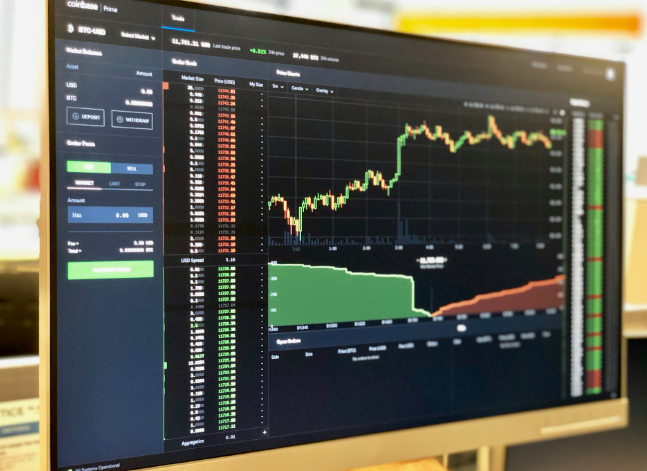


Introduction to Cryptocurrency Trading
The realm of cryptocurrency trading has experienced remarkable growth, attracting both seasoned investors and newcomers. Unlike traditional trading, which typically involves stocks, bonds, or commodities, cryptocurrency trading revolves around digital currencies that leverage blockchain technology. This innovative system allows for decentralized transactions, promising greater security and transparency compared to conventional finance.
As cryptocurrencies such as Bitcoin, Ethereum, and countless altcoins gain traction, understanding the appropriate terminology becomes crucial for aspiring traders. Key terms include wallets for storing digital assets, exchanges where trading occurs, and market capitalization, which signifies the total value of a cryptocurrency in circulation. Additionally, various trading strategies—from day trading to swing trading—play a vital role in maximizing potential gains in this volatile market.
Cryptocurrency trading is often characterized by its high volatility. While this presents opportunities for significant returns, it also introduces heightened risk. The rapid price fluctuations inherent in digital currencies necessitate a strategic approach to risk management. Traders must remain informed about market trends and sentiment, which are influenced by factors such as regulatory changes, technological advancements, and macroeconomic conditions.
The potential benefits of engaging in cryptocurrency trading include diversity in investment portfolios, the opportunity to capitalize on emerging technologies, and access to a market that operates 24/7. However, it is critical to acknowledge the associated risks, which may encompass market manipulation, security threats, and the often nascent regulatory landscape.
In essence, cryptocurrency trading represents a dynamic entry into the financial markets, combining innovative technology with unique challenges. For those willing to invest the time and effort to understand this evolving sector, the opportunity to benefit from its growth is substantial.
Understanding Market Analysis Techniques
In the dynamic world of cryptocurrency trading, investors often rely on market analysis techniques to make well-informed decisions. There are primarily two forms of market analysis: fundamental analysis and technical analysis, each providing unique insights into market movements.
Fundamental analysis focuses on assessing the intrinsic value of a cryptocurrency by evaluating various economic, financial, and other qualitative and quantitative factors. This approach involves examining critical indicators such as market capitalization, project feasibility, overall adoption rates, and the team behind a specific cryptocurrency. Understanding these metrics helps investors gauge the potential long-term viability of a cryptocurrency, enabling them to identify whether a coin is overvalued or undervalued in relation to its market price.
On the other hand, technical analysis leverages historical price data and trading volumes to forecast future price movements. This technique employs various tools and indicators, such as moving averages, Relative Strength Index (RSI), and Bollinger Bands, to discern trends and patterns. By interpreting charts, investors can make educated predictions about price movements, thereby enhancing their trading strategies. For instance, identifying a bullish trend through the application of technical indicators can signal an optimal entry point for purchasing a cryptocurrency.
Regardless of the analysis method employed, it is essential for investors to combine insights from both fundamental and technical approaches to formulate a comprehensive trading strategy. By harnessing the strengths of each analysis technique, investors can improve their potential for identifying trends and making well-researched trading decisions. This holistic integration not only enriches understanding but also augments the effectiveness of trading strategies in the ever-evolving cryptocurrency landscape.
Utilizing Technical Indicators Effectively
Technical indicators serve as essential tools for cryptocurrency traders, assisting them in making informed decisions based on market data. Among the most popular indicators are moving averages, relative strength index (RSI), and the moving average convergence divergence (MACD). Each of these indicators provides unique insights into price trends and potential reversals, thus facilitating better trading strategies.
Moving averages smooth out price data over a specified period, enabling traders to identify the overall trend direction. The two most common types are the simple moving average (SMA) and the exponential moving average (EMA). The SMA calculates the average price over a given number of periods, while the EMA gives more weight to recent prices. Traders often use crossovers, where a shorter-term moving average crosses above or below a longer-term moving average, as potential buy or sell signals.
The relative strength index (RSI) measures the speed and change of price movements and ranges from 0 to 100. An RSI above 70 typically indicates that a cryptocurrency is overbought, while an RSI below 30 suggests it is oversold. By incorporating RSI into trading strategies, investors can identify entry and exit points more effectively. For instance, if the RSI approaches 70 and then begins to decline, it may signal a possible price drop, suggesting a potential sell opportunity.
Similarly, the moving average convergence divergence (MACD) is a trend-following momentum indicator that displays the relationship between two moving averages of a security’s price. MACD is derived from the difference between the 26-period EMA and the 12-period EMA, giving traders insights into momentum shifts. The MACD line crossing the signal line can indicate buy or sell opportunities, making it a valuable addition to a trader’s arsenal.
Incorporating these technical indicators into daily trading strategies not only enhances decision-making but also helps traders respond effectively to market movements. By analyzing multiple indicators in conjunction with each other, investors can develop a comprehensive view of the market, leading to more successful trading outcomes.
Implementing Risk Management Strategies
Risk management is a critical aspect of cryptocurrency trading that daily investors must prioritize to protect their portfolios from unexpected market fluctuations. By implementing effective risk management techniques, traders can significantly reduce their exposure to losses while enhancing their potential for long-term success.
One of the most fundamental tools for managing risk is the use of stop-loss orders. A stop-loss order is an automatic instruction to sell an asset when its price falls to a predetermined level. This strategy enables traders to limit their losses on a trade by exiting a position before the losses escalate further. Daily investors should determine an appropriate stop-loss percentage based on their risk tolerance and ensure that they consistently use this tool to minimize potential downside risk.
Diversification is another essential risk management strategy that helps spread potential losses across multiple assets. By investing in a variety of cryptocurrencies instead of concentrating capital in a single asset, daily investors can reduce the impact of poor performance by any single investment. A well-diversified portfolio may include a mix of large-cap cryptocurrencies, altcoins, and even digital assets from different sectors, enabling traders to cushion their overall portfolio from volatility.
Additionally, position sizing is a critical component of an effective risk management approach. This technique involves determining the appropriate amount of capital to allocate to each trade based on the investor’s total equity and acceptable risk level. By carefully calculating position sizes, investors can ensure that they do not overexpose themselves to any single trade, thereby safeguarding their portfolios against significant losses.
Incorporating these risk management strategies—stop-loss orders, diversification, and position sizing—into daily trading practices is crucial for cryptocurrency investors. By adopting these techniques, traders can enhance their ability to navigate the highly volatile crypto market while protecting their investments over time.
The Role of Trading Psychology
In the realm of cryptocurrency trading, the psychological aspects can significantly influence an investor’s decision-making process. Emotional discipline plays a pivotal role in steering traders away from impulsive actions that arise from short-term market fluctuations or news events. To cultivate emotional discipline, traders must focus on maintaining a trading plan that aligns with their long-term goals rather than getting swept up in the fervor of daily price movements.
Fear and greed are two dominant emotions that can derail an investor’s strategy. Fear may compel a trader to exit a position prematurely or avoid entering trades altogether, while greed can lead to overleveraging or holding onto a losing position in hopes of a market rebound. By recognizing these emotions and their impacts, traders can develop strategies to manage them effectively. For example, setting clear stop-loss and take-profit levels can help mitigate the influence of these emotions, as they provide a structured approach to decision-making.
Maintaining a consistent trading plan is another critical aspect of controlling trading psychology. This plan should encompass entry and exit strategies, risk management techniques, and a disciplined approach to trade selection. Adhering to this plan allows traders to minimize the impact of emotional responses and stick to their predetermined strategies, which ultimately leads to more rational trading decisions.
Moreover, common psychological pitfalls such as confirmation bias—the tendency to favor information that confirms one’s beliefs—can distort a trader’s outlook. Overcoming this requires a willingness to analyze data objectively and consider opposing perspectives. Fostering a resilient mindset through techniques such as meditation, journaling, or regular reflection on trading experiences is essential. By prioritizing psychological preparedness alongside technical analysis, traders can enhance their overall performance in the cryptocurrency market.
Leveraging Trading Bots and Algorithms
The use of trading bots and algorithms has emerged as a significant trend in the realm of cryptocurrency trading. These automated tools are designed to execute trades on behalf of investors, continually analyzing market data to capitalize on price fluctuations. A trading bot operates by following predetermined strategies based on various technical indicators, market trends, or even machine learning approaches to achieve optimal trading outcomes.
One of the primary advantages of utilizing trading bots is their ability to operate 24/7 without fatigue, which is particularly beneficial in the cryptocurrency market characterized by its constant activity. They can monitor multiple markets simultaneously, allowing investors to seize opportunities that may go unnoticed during manual trading. Additionally, bots can facilitate quick decision-making, executing trades at speeds unreachable by human traders. As a result, this can greatly enhance the potential for profit generation.
However, the reliance on algorithms and trading bots also has its drawbacks. One key disadvantage is the potential for technical glitches or failures that can result in substantial losses. Bots are inherently reliant on the quality of the algorithms they are programmed with; if the strategy is fundamentally flawed, investors could face significant financial detriment. Furthermore, over-reliance on automated systems can lead to a lack of understanding of market dynamics and trends, diminishing the investor’s ability to make informed decisions independently.
To effectively integrate trading bots into their strategies, investors should begin by thoroughly researching and selecting reputable bots that align with their trading goals. It’s crucial to monitor their performance regularly and adjust settings to reflect changing market conditions. Additionally, a well-defined risk management strategy should accompany bot usage to mitigate potential losses. By approaching automated trading judiciously, investors can harness the benefits of these technologies while minimizing associated risks.
Identifying Emerging Trends and Opportunities
In the dynamic landscape of cryptocurrency trading, identifying emerging trends is crucial for investors looking to capitalize on unique opportunities. Effective trend identification relies heavily on rigorous research and the ability to synthesize vast amounts of information available in the market. Keeping abreast of market sentiments, regulatory developments, and technological advancements is essential for traders who aim to maintain a competitive edge.
One of the most effective ways to uncover emerging trends is through active engagement with online communities and forums dedicated to cryptocurrency. Platforms such as Reddit, Discord, and Twitter host discussions where traders share insights, speculate on future movements, and analyze price movements. By participating in these communities, investors can gain diverse perspectives and gather valuable information that may not be readily available through traditional news outlets. Moreover, engaging with others in these spaces can help in understanding market psychology, which is essential for anticipating trends.
Additionally, following influential figures in the cryptocurrency space can provide invaluable insights into emerging opportunities. Many industry experts and thought leaders share their analyses, forecasts, and opinions through blogs, podcasts, and social media channels. By studying their insights, traders can identify potential investment avenues before they become mainstream and understand the factors driving market shifts.
To successfully identify trends, traders should also employ technical analysis tools to analyze price charts and other data. Technical indicators, such as moving averages and Relative Strength Index (RSI), can help traders visualize trends and make informed decisions. Combining research, community engagement, and technical analysis creates a comprehensive approach to spotting emerging trends and seizing opportunities in the ever-evolving world of cryptocurrency.
Legal and Regulatory Considerations
The legal and regulatory landscape surrounding cryptocurrency trading is complex and evolving. Investors are encouraged to familiarize themselves with the regulations governing their specific jurisdiction, as these can significantly impact trading activities and overall compliance. One crucial aspect is the classification of cryptocurrencies, which varies by country. For instance, some nations treat them as currency, while others categorize them as commodities or securities. Understanding this classification is essential for determining applicable regulations.
Tax implications also play a critical role in the legal considerations for cryptocurrency traders. Many countries require traders to report gains or losses incurred from their trading activities. In some cases, cryptocurrencies may be subject to capital gains tax, which means that profits made from transactions must be reported on tax returns. It is vital to maintain accurate records of all trades, as these forms the basis for tax calculations and can safeguard against potential audits by tax authorities.
Furthermore, compliance with anti-money laundering (AML) and know-your-customer (KYC) regulations is becoming increasingly stringent for cryptocurrency exchanges. Many platforms require users to verify their identities as a means to prevent illicit activities. These processes often involve submitting personal identification documents and may extend to regular audits of trading behavior. Failure to adhere to these legal requirements can lead to penalties, fines, or even criminal charges.
The dynamic nature of the cryptocurrency market necessitates that traders remain vigilant regarding legal updates and emerging regulations. As governments adapt to the growing influence of cryptocurrencies, staying informed and compliant is crucial for minimizing risks and optimizing investment practices.
Conclusion and Future Outlook
In the complex and ever-evolving landscape of cryptocurrency trading, daily investors are urged to embrace advanced techniques that enhance their trading strategies. Key takeaways from this discussion emphasize the importance of diligence, continuous learning, and the integration of technology in optimizing trading decisions. By understanding various trading strategies, including technical analysis, sentiment analysis, and risk management, investors can significantly improve their trading outcomes.
Looking forward, the future of cryptocurrency trading appears promising, supported by rapid advancements in technology. The rising use of artificial intelligence and machine learning in trading platforms is set to revolutionize how daily investors engage with the market. These technologies can provide deeper insights into market trends, automate trading processes, and allow for more informed decision-making. Furthermore, the development of decentralized finance (DeFi) is likely to present novel opportunities, enabling more investors to access liquidity without intermediaries.
As digital currencies become more mainstream, cryptocurrency regulation is also anticipated to evolve. Regulatory clarity could lead to more stable market conditions, attracting institutional investors and fostering increased participation among retail traders. This could enhance competition and innovation within the marketplace, driving the emergence of new products and trading methodologies.
In summary, for daily investors committed to navigating the cryptocurrency space, it is critical to stay informed about technological advancements and market trends. Engaging with educational resources and leveraging technological tools will empower traders to adapt their strategies, ultimately leading to more successful trading experiences in this dynamic market. As the landscape continues to unfold, investors should remain vigilant and proactive in their approaches to capitalize on the future of cryptocurrency trading.