
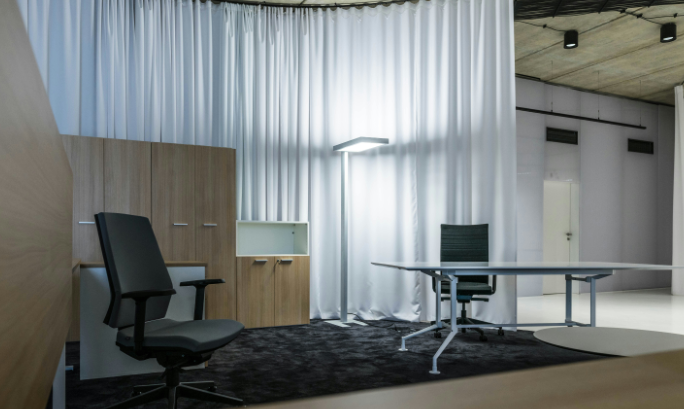


Introduction to Modern Office Design
In today’s fast-paced world, the modern office interior design plays a crucial role in fostering productivity among employees. As organizations strive to enhance their efficiency and creativity, they increasingly recognize the impact of a well-planned workspace layout and interior design. Productive workspaces are not just about aesthetics; they encompass a blend of functionality, comfort, and innovation that addresses the diverse needs of employees.
The concept of a productive workspace transcends traditional notions of an office environment. It reflects a dynamic blend of collaborative and individual spaces, promoting both teamwork and focus. Key elements that contribute to modern office design include flexibility, technology integration, natural lighting, and ergonomic furniture. Flexibility allows for reconfigurable layouts that can adapt to the changing needs of teams, while technology integration facilitates seamless communication and enhances overall efficiency.
Natural lighting is another critical aspect that significantly influences employee well-being and productivity. Access to daylight has been shown to improve mood, increase energy levels, and reduce eye strain, ultimately contributing to higher productivity rates. Furthermore, the incorporation of plants and biophilic elements into the interior design can create a more inviting atmosphere, enhancing creativity and reducing stress levels.
In summary, modern office interior design is fundamental to creating productive workspaces that nurture efficiency and inspire creativity. By thoughtfully considering the elements of flexibility, technology, natural lighting, and comfort, organizations can design environments that not only meet the needs of their workforce but also promote a thriving corporate culture. Such environments play a pivotal role in attracting and retaining talent, ultimately leading to greater organizational success.
Importance of Ergonomics in Office Design
In recent years, the significance of ergonomics in office design has been increasingly recognized as a vital component for creating productive workspaces. Ergonomics focuses on designing environments and products to fit the users’ needs, thereby ensuring comfort and reducing the risk of strain and injury. An ergonomic office design not only considers furniture but also the overall workspace layout, incorporating elements that promote good posture and provide adequate support.
One of the primary elements of ergonomic office design is the use of adjustable furnishings, such as chairs and desks. Ergonomically designed chairs typically offer adjustable height, lumbar support, and cushioning, helping to maintain proper alignment of the spine and minimizing discomfort during prolonged periods of sitting. Furthermore, sit-stand desks have gained popularity as they allow employees to alternate between sitting and standing, promoting movement throughout the workday and combating the adverse effects of sedentary behavior.
Besides furniture, the arrangement of the workspace plays a crucial role in ergonomics. Ensuring that computers are positioned at eye level, with monitors at a comfortable distance, can significantly reduce neck and eye strain. Moreover, incorporating sufficient lighting, both natural and artificial, enhances visibility and reduces glare, contributing to a healthier work environment. Ergonomic office design also extends to collaborative workspaces, emphasizing the design of meeting areas that encourage interaction while allowing for comfort.
In essence, prioritizing ergonomics in office design fosters an environment where employees can work efficiently and comfortably. By reducing physical strain and enhancing overall comfort, businesses can not only boost employee morale but also significantly improve productivity. This proactive approach to office design highlights the correlation between employee well-being and organizational success, making a strong case for investing in ergonomically sound workspaces.
Creating a Collaborative Environment
In the pursuit of fostering collaboration among employees, the layout and design of a modern office play a pivotal role. One effective approach to enhance teamwork is the adoption of open workspaces. Unlike traditional office setups that confine employees to isolated cubicles, open workspaces encourage interaction among team members. This layout removes physical barriers, allowing for spontaneous conversations and collaborative discussions, which can lead to innovative solutions and improved teamwork.
In addition to open layouts, integrating designated breakout areas serves as another strategy to promote collaboration. These areas are designed to provide a relaxed environment where employees can engage in brainstorming sessions, informal meetings, or simply recharge. Breakout areas equipped with comfortable seating, informal tables, and even whiteboards can stimulate creativity and enhance communication among team members. These spaces should be easily accessible yet distinct from the primary work areas to facilitate a change in atmosphere without distractions from regular tasks.
The strategic placement of furniture also plays a significant role in creating a collaborative workspace. By incorporating movable furniture such as modular desks or collaborative seating arrangements, organizations can easily adapt the environment to suit various team needs and dynamics. For instance, a series of round tables can promote discussions, while shared workstations can foster a sense of community among employees. Moreover, integrating technology into these spaces, such as screens for presentations or video conferencing, ensures that collaboration is seamless, allowing for remote team members to participate actively.
By thoughtfully designing office layouts that emphasize collaboration, organizations can significantly enhance employee engagement and productivity. The combination of open workspaces, designated breakout areas, and the strategic arrangement of furniture encourages communication, making collaboration a natural part of the work culture.
Incorporating Nature: Biophilic Design
Biophilic design is a concept that emphasizes the human connection to nature within our built environments. This approach integrates elements of the natural world into office interiors, aiming to enhance employee well-being, productivity, and creativity. By incorporating features such as plants, natural light, and outdoor views, organizations create a more inviting and stimulating workspace.
The presence of plants in the workplace has been shown to improve air quality and reduce stress levels among employees. Research indicates that greenery promotes a sense of calm and tranquility, ultimately leading to higher job satisfaction and improved focus. This suggests that when companies incorporate biophilic design by adding indoor plants or creating green walls, they not only beautify the space but also foster a healthier work environment.
Natural light plays a crucial role in biophilic design as well. Access to daylight has been correlated with enhanced mood and cognitive performance. Workspaces that maximize exposure to natural light encourage employees to maintain their circadian rhythms, which can lead to increased alertness and energy levels throughout the day. Additionally, designing spaces with large windows or skylights connects workers with the external environment, enhancing their overall work experience.
Outdoor views are another essential aspect of biophilic design. When employees can gaze upon natural landscapes or park areas, they often experience feelings of relaxation and inspiration. Incorporating balconies, terraces, or outdoor meeting areas into office design allows for a seamless transition between indoor and outdoor spaces, promoting a more balanced work-life experience. By providing these opportunities, employers not only prioritize the health and happiness of their workforce but also cultivate an innovative and productive atmosphere.
Color Psychology in Office Spaces
Color psychology plays a significant role in office interior design, influencing both the mood and productivity of employees. The strategic use of color can encourage various emotional responses that are conducive to a productive work environment. Different colors evoke distinct feelings: for example, blue is often associated with calmness and focus, making it an ideal choice for areas requiring concentration. In contrast, warm colors like red and yellow can stimulate creativity and energy, which are beneficial in collaborative spaces.
When designing an office, selecting a color palette that aligns with the desired mood is essential. For spaces intended for high-priority tasks, neutral tones such as whites, greys, and beiges can create a clean backdrop that minimizes distractions. These colors are often paired with more vibrant accents to inject a dash of creativity when necessary, ensuring a balanced environment. Additionally, incorporating elements of nature into the color scheme, such as greens and earthy tones, can enhance feelings of calmness and well-being among employees.
Furthermore, the psychological effects of color can vary based on cultural perceptions and individual preferences. Thus, it is crucial to take into consideration the values and sentiments of the workforce when selecting color schemes. For example, while some may find vibrant colors to be invigorating, others might feel overwhelmed. Therefore, conducting a survey to understand employee preferences can aid in making informed design choices.
In conclusion, utilizing color thoughtfully in office design not only supports productivity but also fosters an atmosphere that can significantly enhance employee satisfaction and overall well-being. By carefully examining color choices, designers can create workspaces that inspire balance, creativity, and focus, ultimately leading to improved workplace dynamics.
Flexibility and Adaptability in Design
In the ever-evolving landscape of modern workplaces, flexibility and adaptability in office design have become paramount. Work environments must cater to a diverse array of tasks and roles, ranging from collaborative projects to focused individual work. One of the most effective approaches to achieving this adaptability is through the incorporation of movable furniture. By utilizing desks and chairs on wheels, organizations can easily reconfigure their spaces to meet the demands of different work styles, enhancing both productivity and employee satisfaction.
Additionally, multi-use spaces play a critical role in fostering an adaptable office environment. Areas that can serve dual purposes—such as meeting rooms that transform into breakout spaces—allow organizations to maximize their square footage and resources. These multifunctional spaces can also encourage more dynamic interactions among team members, bridging the gap between formal and informal engagements. The strategic design of such areas can greatly impact the collaborative culture within an office.
Modular designs also contribute significantly to a flexible office layout. Furniture systems that consist of standardized, interchangeable components enable businesses to reconfigure their environments as needed. This ability to change layouts not only accommodates a variety of work activities but also supports technological advancements and the introduction of new work styles. For instance, an office designed with modular furniture can be quickly adapted for project-based teams, formal presentations, or even relaxation zones, demonstrating the versatility not only of the space but also of the workforce.
Ultimately, prioritizing flexibility in office interior design can lead to long-term benefits. Acknowledging the diversity of work styles and the necessity for adaptive spaces fosters a culture of agility and responsiveness, crucial in today’s fast-paced business environment. By investing in these innovative design principles, organizations can create productive, inspiring workspaces that evolve alongside their teams.
Technology Integration for Enhanced Productivity
In the modern workplace, the integration of technology has become vital for fostering enhanced productivity. As businesses evolve, the demand for innovative solutions that streamline operations and facilitate collaboration continues to grow. The implementation of smart office solutions is an essential aspect of contemporary office interior design. These solutions range from automated lighting and temperature controls to advanced audiovisual systems, allowing employees to tailor their work environment to their personal preferences, which can significantly improve focus and comfort.
Furthermore, collaborative tools are becoming increasingly important in supporting teamwork and communication among employees. These tools are often integrated seamlessly into the office layout, featuring designated spaces for brainstorming sessions and meetings. Technologies such as video conferencing systems and interactive whiteboards enable teams to connect effortlessly, regardless of physical location. This encourages a culture of collaboration, which is crucial for enhancing overall productivity.
To effectively support a high-tech working environment, the underlying infrastructure must be robust and efficient. This includes ensuring that there are sufficient power outlets, high-speed internet access, and reliable network systems throughout the office space. The design should also account for future technological advancements, allowing for easy upgrades and expansions. By focusing on these aspects, businesses can create a workspace that not only meets current technological needs but is also adaptable to future innovations.
Incorporating technology thoughtfully into office design not only optimizes productivity but also elevates employee satisfaction. A tech-enabled workspace encourages employees to engage with their tasks more effectively, to collaborate more easily, and to access necessary resources swiftly. As a result, investing in technology integration is a strategic move for organizations aiming to thrive in today’s competitive landscape.
Personalization of Workspaces
In recent years, there has been a noticeable shift towards the personalization of workspaces as a means to enhance employee engagement and satisfaction in the modern office environment. Personalization allows employees to infuse their individual personalities and preferences into their work areas, creating a sense of ownership that can contribute positively to their overall productivity and morale.
One effective method of personalizing a workspace is by encouraging employees to display personal items such as photographs, artwork, or souvenirs that reflect their interests and experiences. These items serve as conversation starters and can help cultivate a more inviting atmosphere. Furthermore, allowing employees to customize their desk layout, including the arrangement of their tools and resources, fosters a sense of control and comfort.
Another avenue for personalization involves the selection of office decor and color schemes. Research indicates that colors can profoundly affect mood and performance. For instance, cooler colors like blue can promote calmness and concentration, whereas warmer tones like orange can stimulate creativity. By providing options for employees to choose their preferred color schemes or themed decorations, organizations can create environments that resonate with the individuals working in them.
Moreover, technology can play a pivotal role in workspace personalization. Employees might benefit from adjustable desks that allow for standing or sitting positions, or smart devices that help create a comfortable work environment through lighting and temperature controls. By investing in ergonomic and adaptable solutions, companies show they value employee well-being while encouraging a personalized approach to workspaces.
Ultimately, personalization of workspaces can transform the dynamics of a workplace, fostering a culture of engagement and satisfaction. When employees feel emotionally connected to their work environments, it enhances their productivity and promotes a positive organizational culture.
Conclusion and Future Trends in Office Design
As organizations continue to adapt to the changing landscape of work, modern office interior design emerges as a crucial factor in enhancing employee productivity and well-being. The key takeaways from recent trends highlight the importance of flexibility, technology integration, and employee-centric spaces. These elements create work environments that not only foster collaboration but also accommodate diverse work styles, ultimately leading to improved job satisfaction and higher output.
One significant trend observed in modern office design is the shift towards open spaces that promote interaction and communication among team members. While open-plan offices encourage collaboration, it is essential for companies to find a balance by implementing designated quiet zones that cater to focused tasks. The creation of mixed-use areas, where employees can switch between collaborative and individual work settings, demonstrates an understanding of differing productivity needs.
Looking forward, the future of office design will likely be influenced by evolving work practices such as remote and hybrid models. Companies will need to invest in adaptable spaces that can serve both in-office and remote employees. This could entail the integration of advanced technology to facilitate virtual communication and collaboration, ensuring that all team members feel connected, regardless of their physical location.
Additionally, sustainability will play a pivotal role in future office designs. Employers are increasingly understanding that environment-friendly practices not only contribute to the health of the planet but also enhance employee well-being. Biophilic design, incorporating natural elements into the workspace, is likely to gain prominence as a strategy to improve employee mood and productivity.
In conclusion, modern office interior design has a profound impact on how effectively employees perform their tasks. By embracing innovative design solutions that cater to diverse working styles and prioritize well-being, organizations can create workspaces that are not only productive but also sustainable in the long term.