
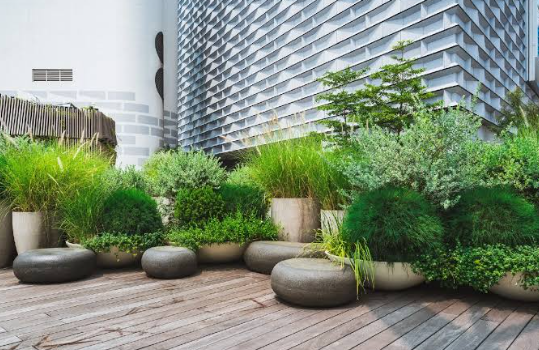


Understanding Small Space Gardening
In urban environments, limited space poses significant challenges for aspiring gardeners. However, small urban living spaces also offer unique opportunities to cultivate plants and greenery. The key to effective gardening in these areas is maximizing the efficiency of the available space. Urban dwellers can adopt various techniques that enable them to create thriving gardens, even when faced with spatial constraints.
One of the most effective strategies is the concept of vertical gardening. By utilizing vertical structures, such as wall-mounted planters and trellises, individuals can transform unused wall space into flourishing gardens. This approach not only saves horizontal space but also adds a visually appealing component to urban living spaces. Moreover, vertical gardens can improve air quality and provide insulation, promoting a healthier home environment.
Compact gardening methods, such as container gardening, are also essential for small spaces. Containers of varying sizes can easily be placed on balconies, patios, or even windowsills. This flexibility allows individuals to experiment with different plant varieties, from herbs and vegetables to ornamental flowers. By selecting the right containers and plants, urban gardeners can create a vibrant garden that enhances their living space.
Urban gardening requires creativity and planning. Urban dwellers should consider the amount of sunlight their space receives, as this will impact the types of plants that can thrive. Additionally, proper selection of soil and fertilizers is crucial for maximizing plant growth in limited spaces. Utilizing compact and vertical gardening techniques not only optimizes space but also fosters a deeper connection with nature amidst the concrete jungle of urban settings.
Choosing the Right Plants for Limited Spaces
When selecting plants for small or container-based gardens, it is essential to consider those that can thrive in limited spaces while offering the most significant benefits. Urban gardeners often face challenges such as limited sunlight, restricted soil volume, and potential pest pressures. As such, the right choice of plants can transform small areas into vibrant green spaces.
First, choose plants that are naturally suited to container living. Herbs like basil, parsley, and chives are excellent options; they stay compact and can thrive in smaller pots, allowing you to easily integrate them into kitchen spaces or patios. Additionally, their culinary uses can enhance home-cooked meals while providing visual appeal.
Vegetables also offer a bountiful solution for small gardens. Consider cultivating dwarf varieties of tomatoes, peppers, or even patio cucumbers, as they require less space and still provide a rewarding harvest. Vertical gardening methods can further maximize limited space by allowing you to grow these vegetables upward rather than outward.
In terms of ornamental plants, select those that don’t outgrow their surroundings. Dwarf trees, such as miniature fruit trees, occupy minimal ground yet bring substantial aesthetic value along with edible produce. Flowering plants like pansies, marigolds, and petunias contribute color while fitting neatly in containers or hanging baskets.
Furthermore, regarding plant selection, it is critical to consider their light requirements, as many small spaces may not receive ample sunlight throughout the day. Opt for shade-tolerant varieties if your garden area is primarily shaded. By thoughtfully selecting the right herbs, vegetables, and ornamental plants, you can create a flourishing garden that enhances your living space without overwhelming it.
Vertical Gardening Techniques
In urban environments where space is often limited, vertical gardening offers an innovative solution for maximizing growing potential without necessitating additional ground area. Through the utilization of vertical gardening techniques, urban dwellers can cultivate a vibrant, green space that fits into their compact living arrangements. This section explores several effective methods, including wall planters, trellises, and hanging gardens.
Wall planters are a popular choice for vertical gardening. These are typically designed as modular systems that can be mounted directly onto walls, allowing homeowners to grow a variety of plants in an arrangement that is both aesthetically pleasing and functional. Wall planters can accommodate herbs, flowers, and even small vegetables, making them valuable additions to kitchens or patios. Furthermore, they can be configured in various styles, enabling personalization to suit any decor.
Trellises are another effective vertical gardening method. They can provide structural support for climbing plants, making them instrumental in utilizing vertical space. Whether built from wood, metal, or trellis netting, these structures can transform a simple garden area by encouraging plants like peas, beans, and cucumbers to grow upward. This not only conserves ground space but also enhances air circulation around plants, potentially improving growth conditions.
Hanging gardens, comprising pots or containers suspended from ceilings, walls, or hooks, also represent a creative approach to vertical gardening. This method is particularly advantageous in small spaces where floor area is at a premium. Hanging planters can be used to grow a wide array of plants and add a striking visual element to any urban space. Moreover, they can be easily repositioned or rearranged based on seasonal changes or personal preference.
Collectively, vertical gardening techniques can significantly enhance urban living spaces, allowing individuals to embrace gardening despite space constraints. By implementing wall planters, trellises, and hanging gardens, urban gardeners can maximize their growing area, thus fostering a greener lifestyle.
Container Gardening Options
Container gardening has become a popular choice for urban dwellers with limited space, allowing for the cultivation of plants in a variety of creative ways. The types of containers suitable for small spaces include pots, raised beds, and window boxes, each offering unique advantages that cater to diverse gardening preferences.
Pots are perhaps the most versatile option, available in different sizes, shapes, and materials like plastic, ceramic, or terracotta. When selecting pots, consider the weight—lightweight materials are preferable for rooftop gardens or balconies. Additionally, ensure that containers have adequate drainage holes to prevent waterlogging, as excess moisture can damage plant roots.
Raised beds also serve as excellent containers for urban gardens. They can be built from various materials such as wood, metal, or stone, and are particularly beneficial for growing larger plants or a selection of vegetables. By constructing raised beds, gardeners can maintain better soil quality and control over the growing environment, which is crucial in compact living conditions.
Window boxes are an ideal solution for those with limited horizontal space but ample vertical opportunities. They can be placed on windowsills, balconies, or mounted against walls. Using window boxes allows individuals to introduce vibrant flowers, herbs, or small vegetables into their spaces, enhancing aesthetics while providing access to fresh produce.
When utilizing containers effectively, consider grouping them to create visual interest and maximize the growing area. Additionally, incorporating vertical gardening methods, such as trellises or wall-mounted planters, can further expand your gardening potential in limited spaces. The careful selection of materials, drainage methods, and container types will significantly contribute to successful container gardening in urban environments.
Hydroponics for Urban Gardening
Hydroponics is an innovative growing technique that has gained traction among urban gardeners seeking space-efficient solutions. This method involves cultivating plants without soil, using nutrient-rich water instead. Given the limited space available in urban environments, hydroponics can be an exceptional choice for anyone looking to maximize their gardening potential while maintaining a small footprint.
At its core, hydroponics operates on the principle that plants can absorb water and nutrients directly through their roots, provided these elements are delivered effectively. There are several methods of hydroponics, including deep water culture, nutrient film technique, and aeroponics, among others. Each method has its own set of advantages, making it important for urban gardeners to choose the approach that best suits their needs and available space.
One of the primary benefits of hydroponics is its ability to produce a higher yield in a shorter time frame compared to traditional soil gardening. Without soil, plants are less prone to pests and diseases, ultimately resulting in healthier crops. Furthermore, hydroponic systems conserve water, using up to 90% less than conventional gardening practices—a significant advantage in urban settings where water conservation is increasingly necessary.
Setting up a simple hydroponic system in an urban space is surprisingly achievable. One can start with basic supplies such as containers, a nutrient solution, a water pump, and a growing medium like clay pellets or rock wool. Many opt for compact, vertical systems or wall-mounted gardens to further save space. These setups can thrive on a balcony, patio, or even indoors with proper lighting, making hydroponics an attractive option for city dwellers eager to embrace their gardening ambitions.
Creating a Balcony or Rooftop Garden
Transforming a balcony or rooftop into a lush urban garden can be a rewarding and enjoyable project. One of the primary considerations involves assessing the structural integrity of the space to ensure it can accommodate the weight of soil, plants, and gardening equipment. Balconies and rooftops are often built with specific weight limits, so it’s essential to calculate the total weight of your planned garden. Using lightweight planters and well-draining soil can help alleviate any concerns related to excess weight.
Sunlight exposure plays a pivotal role in the success of a balcony or rooftop garden. Most vegetables and flowering plants thrive in full sun, which means they require at least six hours of direct sunlight daily. Consider the orientation of your balcony or rooftop when selecting plants; south-facing spaces generally receive the most light, while north-facing areas tend to be shadier. Utilizing reflective materials or planting semi-tropical varieties that tolerate partial shade can maximize your garden’s productivity.
Wind exposure is another crucial factor to consider for elevated urban gardens. Higher altitudes often mean stronger winds, which can stress plants and dry out the soil more quickly. To mitigate wind impact, employ windbreaks such as trellises or patio screens made from bamboo. Additionally, try to group plants to create a microclimate, which can protect them while also improving humidity levels around them.
When choosing plants for your elevated garden, select species that thrive in containers and can adapt well to the urban environment. Herbs, such as basil and parsley, alongside ornamental plants like petunias or geraniums, create an aesthetically pleasing garden while being relatively easy to care for. Regular watering is vital, particularly during warm weather, as containerized plants tend to dry out faster. Incorporating self-watering planters can also assist in maintaining consistent moisture levels.
Utilizing Indoor Spaces for Gardening
Urban living often presents unique challenges when it comes to gardening, particularly for those residing in small apartments. However, with careful planning, it is entirely possible to create a lush indoor garden that not only enhances aesthetics but also improves air quality. The key lies in selecting the right indoor plants that can thrive in limited spaces and lighting conditions.
When choosing indoor plants, consider varieties known for their low light tolerance and air-purifying properties. Some popular options include spider plants, pothos, snake plants, and peace lilies, all of which are well-suited for apartment living. Additionally, herbs such as basil, mint, and cilantro can be grown indoors to add both greenery and culinary benefits.
Lighting plays a vital role in the success of indoor gardening. For spaces that lack sufficient natural sunlight, the incorporation of grow lights can be beneficial. These specialty lights mimic sunlight and provide plants with the necessary light spectrum to support photosynthesis. Regular inspection of the plants’ growth can guide adjustments in the duration and intensity of the grow lights.
Maintaining an indoor garden is also crucial for ensuring that plants recover their optimal health and appearance. Regular watering, appropriate fertilization, and occasional repotting will support plant growth. Additionally, dusting leaves to remove particulate matter can enhance photosynthesis, thereby contributing to healthier plants. Utilizing vertical spaces and integrating planters and shelves will help maximize the limited square footage available.
Overall, indoor gardening in small urban living spaces can be a rewarding venture. It not only allows for a personal connection to nature but also offers significant advantages in terms of air quality and improved indoor ambiance.
Sustainable Gardening Practices
Sustainable gardening practices are increasingly relevant as urban dwellers seek to maximize their limited space while adopting environmentally friendly approaches. One effective method is composting. By utilizing kitchen scraps and yard waste, residents can create nutrient-rich compost that enhances soil health. This practice not only reduces organic waste in landfills but also promotes sustainable gardening, as compost provides essential nutrients for plants within small urban gardens.
Another beneficial strategy is rainwater collection. Installing a rain barrel allows gardeners to capture and store runoff from rooftops during rainfall. This method not only conserves municipal water supplies but also ensures that plants receive unchlorinated, natural water, which can enhance growth. Such systems can be scaled to fit into even the smallest urban spaces, thus integrating well into a variety of gardening layouts.
Organic pest control is equally vital in cultivating a healthy urban garden. Rather than relying on synthetic pesticides, which can harm beneficial insects and the environment, urban gardeners can utilize natural deterrents such as neem oil, insecticidal soaps, or attract beneficial insects like ladybugs and lacewings. Companion planting is another effective organic method, where certain plants are grown together to deter pests and improve overall plant health. This holistic approach fosters a thriving ecosystem within your garden, making it more resilient to pests and diseases.
Implementing these sustainable practices not only enhances the quality of urban gardens but also contributes to a larger movement towards eco-friendly living. As urban areas continue to grow, the integration of sustainable gardening practices becomes increasingly important, ensuring that small spaces can still play a significant role in promoting environmental stewardship.
Gardening with Kids: Fun and Engaging Ideas
Introducing children to gardening can foster a love for nature and sustainability, even in small urban living spaces. Urban gardening offers numerous opportunities for families to engage in enjoyable and educational activities. Here are some family-friendly gardening ideas that make the most of limited space.
One exciting way to start is by creating container gardens. Containers are versatile, making them perfect for patios, balconies, or even windowsills. You can involve your children in choosing colorful pots and selecting plants that appeal to them, such as vibrant flowers, aromatic herbs, or easy-to-grow vegetables like radishes and lettuce. This approach not only enhances their creativity but also teaches them responsibility as they care for their plants.
Another fun activity is setting up a small vertical garden, which is particularly suited for urban settings where space is limited. Vertical gardening allows you to use wall-mounted planters or tiered shelves, enabling kids to observe plant growth at a higher level. This method also maximizes growing space and can be visually striking, contributing to the overall ambiance of your urban area.
Additionally, involving kids in nurturing your garden can include educational components. Introduce them to concepts of sustainability through composting kitchen scraps or recycling containers into planters. These activities serve as a hands-on approach to understanding waste management and environmental stewardship.
Encouraging children to observe the changing seasons and wildlife in the garden can also yield fascinating discussions. Engage them in journaling about the plants’ growth cycles, which not only stimulates interaction with nature but can also improve their writing skills.
These fun and engaging activities offer a holistic approach to gardening with kids in urban settings. By integrating creativity and education, urban gardening creates a meaningful family bonding experience while nurturing a deeper appreciation for nature.