


Introduction to Digital Payment Solutions
In today’s fast-paced e-commerce landscape, digital payment solutions have emerged as a critical component for business operations and customer experience. As consumers increasingly shift away from traditional cash and check transactions, the reliance on electronic payment methods is more pronounced than ever. This transition is not simply incidental; it reflects a broader trend towards convenience, speed, and security in financial transactions.
Digital payment solutions encompass a range of technologies and systems designed to facilitate secure online transactions. These include credit and debit card processing systems, mobile wallets, and various digital currencies. The significance of these solutions lies in their ability to streamline the purchasing process, thus enhancing overall efficiency for both merchants and consumers. In addition, businesses can benefit from reduced overhead costs associated with manual payment processing and the ability to reach broader markets.
The shift to digital payment platforms is largely driven by the growing demand for seamless and immediate transactions. With consumers increasingly expecting the ability to complete purchases with just a few clicks or taps, e-commerce platforms must adopt robust digital payment solutions to meet these expectations. Additionally, the rise of smartphones and mobile applications has further accelerated this transformation, as consumers gravitate towards solutions that offer convenience and accessibility.
Furthermore, the security of online transactions is paramount in fostering trust between consumers and e-commerce businesses. Digital payment solutions often incorporate advanced encryption and security measures, helping to safeguard sensitive financial data. This is critical in an era where concerns about privacy and cyber threats are prevalent. As such, choosing the right digital payment solution not only enhances user experience but also bolsters a company’s reputation.
Importance of Digital Payment Solutions in E-Commerce
In the realm of e-commerce, digital payment solutions play a pivotal role in ensuring seamless transactions between businesses and customers. The convenience offered by these solutions cannot be overstated; they allow customers to make purchases quickly and easily from the comfort of their own homes. With a simple click, consumers can complete transactions, providing them with an efficient shopping experience that encourages repeat business.
Moreover, digital payment systems have made it possible for e-commerce businesses to cater to a global audience. Customers from various geographical locations can access products and services from anywhere in the world, provided they have internet access. This accessibility is significant for driving sales and expanding the customer base, as barriers to entry have been significantly reduced.
Security is another critical aspect of digital payment solutions. As online transactions continue to grow, so does the risk of cyber threats. Implementing robust payment solutions that offer advanced security features is essential for protecting sensitive customer information. This can include encryption, secure sockets layer (SSL) technology, and compliance with regulations like the Payment Card Industry Data Security Standard (PCI DSS). When customers feel secure in their transactions, they are more likely to complete their purchases and build trust with the e-commerce brand.
In addition to these benefits, digital payment solutions can lead to improved customer satisfaction. By offering multiple payment options—such as credit and debit cards, digital wallets, and buy-now-pay-later services—businesses can accommodate diverse customer preferences. This flexibility increases the likelihood of purchase completion, thereby enhancing overall sales performance. Ultimately, integrating effective digital payment solutions can significantly elevate an e-commerce platform’s success by fostering positive shopping experiences and encouraging customer loyalty.
Types of Digital Payment Solutions
In the evolving landscape of e-commerce, various digital payment solutions have emerged as vital components of online transactions. Understanding the different types can aid businesses in selecting the most suitable options for their objectives.
First and foremost, credit and debit cards remain a cornerstone of digital payments. These cards allow shoppers to make immediate payments while simultaneously offering issuers the ability to assess transaction security. The primary advantage of using credit and debit cards involves their widespread acceptance and the streamlined checkout process they provide. However, merchants should be aware of potential transaction fees and that not all customers may have access to these cards.
Another popular digital payment option is digital wallets. Solutions such as PayPal, Apple Pay, and Google Pay store users’ payment information securely, enabling quick and easy transactions. Digital wallets enhance user convenience and often include additional security features, such as tokenization and biometric authentication. On the downside, businesses may incur higher fees associated with wallet transactions, and customers may hesitate to adopt this payment method due to privacy concerns.
Bank transfers, which include methods like ACH and wire transfers, represent another alternative. This payment method allows direct transactions between bank accounts, often providing lower fees than credit card transactions. However, the main drawback lies in the processing time, which can be longer compared to real-time digital payment options, potentially affecting cash flow for e-commerce businesses.
Lastly, buy now, pay later (BNPL) options have gained traction among consumers. These services enable customers to purchase products while deferring payment with installment plans. The primary benefits include increased purchasing power and flexibility for shoppers, making them an attractive option. However, businesses must consider the associated risks, such as potential defaults from customers and the need to manage the complexities of installment payments.
In conclusion, e-commerce platforms offer a diverse range of digital payment solutions. Each option brings unique advantages and challenges, making it essential for businesses to carefully assess their needs and customer preferences when choosing a payment method.
Choosing the Right Payment Solution for Your E-Commerce Business
When it comes to running an e-commerce business, selecting the right digital payment solution is crucial for ensuring customer satisfaction and operational efficiency. To make an informed decision, business owners need to consider several factors, including their target audience, transaction volume, and overall business model.
Understanding your target audience is the first step. Different demographics may have varying preferences when it comes to digital payment methods. For instance, younger consumers are likely to favor mobile wallets and contactless payments, while older generations may prefer traditional credit cards. Conducting market research can provide valuable insights into your customers’ behavior and preferences, enabling you to choose a payment solution that aligns with their needs.
Additionally, the volume of transactions can significantly influence the type of digital payment solution you select. High-volume e-commerce businesses may benefit from payment processors that offer lower transaction fees or subscription models. On the other hand, startups or smaller businesses might prefer solutions that charge per transaction, thus avoiding large upfront costs. It is essential to analyze your expected sales volume to ensure that the chosen payment system can accommodate your growth without incurring unnecessary expenses.
Furthermore, considering your business model is vital in the decision-making process. For example, subscription-based businesses might require a payment solution that supports recurring billing and batch processing capabilities. Conversely, retailers focusing on one-time sales may have different requirements. Collaborative alignment between your payment solution and your business objectives is key to maximizing efficiency and enhancing the customer experience.
In conclusion, careful analysis of your target audience, transaction volume, and business model will guide you to choose the most suitable digital payment solution for your e-commerce business. The right choice not only optimizes transaction efficiency but also fosters customer loyalty.
Integrating Payment Solutions into E-Commerce Platforms
Integrating digital payment solutions into e-commerce platforms is a crucial step for businesses looking to streamline transactions and enhance customer satisfaction. The process involves several key components, including the utilization of APIs (Application Programming Interfaces) and payment gateways. Each of these components plays an instrumental role in facilitating seamless monetary exchanges and ensuring the security of sensitive information.
APIs are essential for connecting various systems within an e-commerce infrastructure. They allow the integration of payment processing functionalities with the existing online store framework. An effective API facilitates communication between the e-commerce platform and the payment processor, enabling real-time transaction processing, data retrieval, and user authentication. A well-designed API not only simplifies the integration process for developers but also optimizes the customer experience by minimizing transaction delays.
Payment gateways act as intermediaries that authorize payment transactions. When a customer makes a purchase, the payment gateway encrypts the customer’s payment information and communicates with the payment processor to confirm the transaction’s authenticity. Select payment gateways offer extensive support for multiple payment methods, including credit cards, digital wallets, and even cryptocurrency, increasing the flexibility and convenience for users. It is vital for businesses to choose a payment gateway that aligns with their specific needs, considering factors such as transaction fees, supported currencies, and compatibility with their e-commerce platform.
Maintaining a seamless user experience throughout the integration process cannot be overstated. Any disruption or delay during payment processing may lead to cart abandonment, which directly impacts sales and customer retention rates. Hence, businesses are encouraged to opt for solutions that provide a user-friendly interface and straightforward checkout processes. Proper testing and ongoing optimization of the payment integration will ensure that the e-commerce platform remains efficient and customer-centric.
Security Features and Best Practices
The rise of e-commerce has brought convenience to consumers and businesses alike; however, it has also opened avenues for various security threats, including fraud and data breaches. As such, the implementation of robust security features in digital payment solutions is paramount. E-commerce businesses need to prioritize these measures to safeguard sensitive customer information and maintain the integrity of transactions.
One of the most critical security features that payment solutions should offer is end-to-end encryption. This technology ensures that the customer’s payment information is encrypted during transmission, making it unreadable to any unauthorized parties. Additionally, secure payment gateways incorporate tokenization, which replaces sensitive payment details with unique tokens that cannot be reused outside the specific transaction, effectively mitigating the risk of data theft.
Multi-factor authentication (MFA) is another essential security measure. By requiring multiple forms of verification before a transaction can be completed, e-commerce platforms can significantly reduce the likelihood of unauthorized access. Regular software updates and security patches are also vital to protect against known vulnerabilities.
To further enhance security, e-commerce businesses should adopt best practices for handling customer data. This includes limiting data retention to only what is necessary for transaction processing and employing strong access controls to restrict data access to authorized personnel only. Educating employees about phishing attacks and social engineering tactics can also create a more secure environment.
Furthermore, conducting regular security audits and risk assessments can help businesses identify potential weaknesses within their payment systems, allowing them to take proactive measures. By combining advanced security features with vigilant practices, e-commerce businesses can create a safer shopping experience, fostering customer trust and loyalty.
Future Trends in Digital Payment Solutions
The landscape of digital payment solutions is undergoing a rapid transformation, influenced by advancements in technology and changing consumer preferences. One of the most significant trends is the growing adoption of cryptocurrency as a viable payment method. As cryptocurrencies such as Bitcoin and Ethereum gain wider acceptance, e-commerce businesses are increasingly exploring how to integrate these digital currencies into their platforms. This move not only appeals to tech-savvy consumers but also provides an alternative transaction mechanism that can enhance security and reduce transaction fees.
In addition to cryptocurrency, mobile payment technologies are revolutionizing the way transactions occur in the e-commerce sector. With the proliferation of smartphones, consumers now prefer the convenience of mobile wallets and contactless payments. Platforms such as Apple Pay and Google Wallet are leading this trend, offering users the ability to make secure transactions with a simple tap of their devices. As the technology continues to evolve, businesses that invest in mobile payment solutions may find themselves at a competitive advantage, catering to a growing market of customers who prioritize ease of use and speed.
Moreover, the integration of artificial intelligence (AI) into digital payment solutions is set to play a crucial role in enhancing user experience and improving security. AI algorithms can analyze consumer behavior and transaction patterns, enabling businesses to offer personalized payment options, detect fraudulent activities, and streamline the checkout process. This technological advancement not only boosts customer satisfaction but also builds trust in the digital payment ecosystem.
These emerging trends indicate a clear trajectory towards a more diversified and efficient digital payment landscape. As e-commerce continues to expand, businesses must remain agile and adapt to these evolving payment solutions to ensure they meet the needs and expectations of their customers effectively.
Case Studies of E-Commerce Success Stories
In the realm of e-commerce, the integration of digital payment solutions has become pivotal in driving growth and enhancing customer satisfaction. A notable case study is that of Warby Parker, a renowned online retailer of eyewear. Upon implementing a seamless digital payment system, they reported a significant uplift in conversion rates. The ease of the checkout process allowed customers to complete their purchases swiftly, leading to a 25% increase in sales over six months. Warby Parker utilized multiple payment options, catering to diverse customer preferences, which bolstered customer engagement and satisfaction.
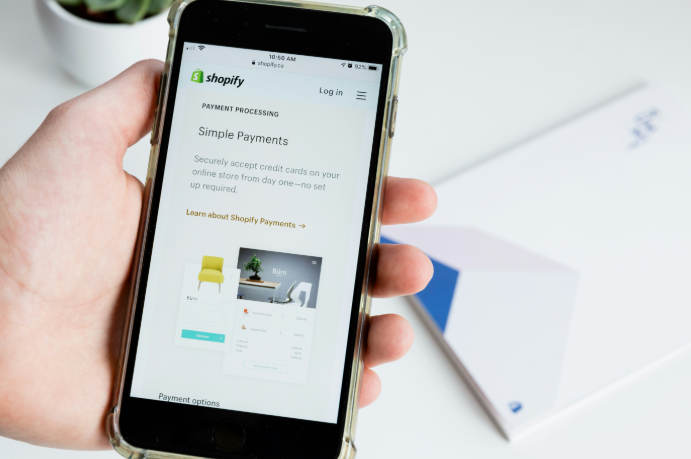
Another remarkable example is Shopify, a platform that facilitates e-commerce for small to medium-sized businesses. By offering its merchants an array of digital payment solutions, including credit cards, digital wallets, and cryptocurrency transactions, Shopify has seen expansive growth. Specifically, during the peak of the pandemic, merchants who adopted these payment solutions doubled their sales in comparison to those who did not. The flexibility provided by Shopify’s integrated payment systems played a crucial role in enabling merchant adaptability in a changing market landscape.
Additionally, Amazon has consistently set the benchmark for e-commerce solutions, leveraging digital payment technology to streamline customer transactions. Their one-click purchasing option has revolutionized user experience, resulting in a 40% increase in impulse buying. Challenges such as security concerns were addressed by implementing advanced encryption methods, ultimately fostering trust among consumers. This commitment to providing a secure and convenient payment experience has cemented Amazon’s position as a leader in the e-commerce sector.
These case studies illustrate the transformative impact that effective digital payment solutions can have on e-commerce businesses. Through carefully tailored strategies, these companies not only overcame challenges but also harnessed the advantages of digital payments to achieve measurable growth and enhance customer loyalty.
Conclusion and Final Thoughts
In today’s fast-paced digital marketplace, the choice of payment solutions is critical for e-commerce businesses. Selecting the right digital payment solution not only enhances customer satisfaction but also contributes to the overall success of the business. As discussed throughout this blog post, a robust payment system can facilitate smoother transactions, reduce cart abandonment, and ultimately lead to increased sales.
Multiple digital payment options, such as credit cards, digital wallets, and cryptocurrency, provide flexibility for customers and cater to a variety of preferences. E-commerce platforms must stay abreast of the latest technological advancements and consumer trends to ensure that they are not only meeting current demands but also preparing for future changes. This requires a thoughtful assessment of all available payment solutions and an understanding of their implications for security, fees, and integration with existing systems.
Furthermore, businesses should prioritize mobile optimization, as a significant portion of online transactions now occurs through mobile devices. Implementing a digital payment solution that is responsive and user-friendly on any device can significantly enhance the customer experience and potentially increase sales conversion rates.
In summary, the importance of selecting an effective digital payment solution cannot be overlooked in the e-commerce sector. Companies looking to thrive should consider not only their current needs but also how their payment systems can evolve in a rapidly changing landscape. Upgrading or adopting a new payment system can lead to improved efficiency, security, and profitability in the long run. E-commerce businesses are encouraged to evaluate their current payment processes and invest thoughtfully in a solution that meets their unique needs while contributing to a seamless shopping experience for their customers.